
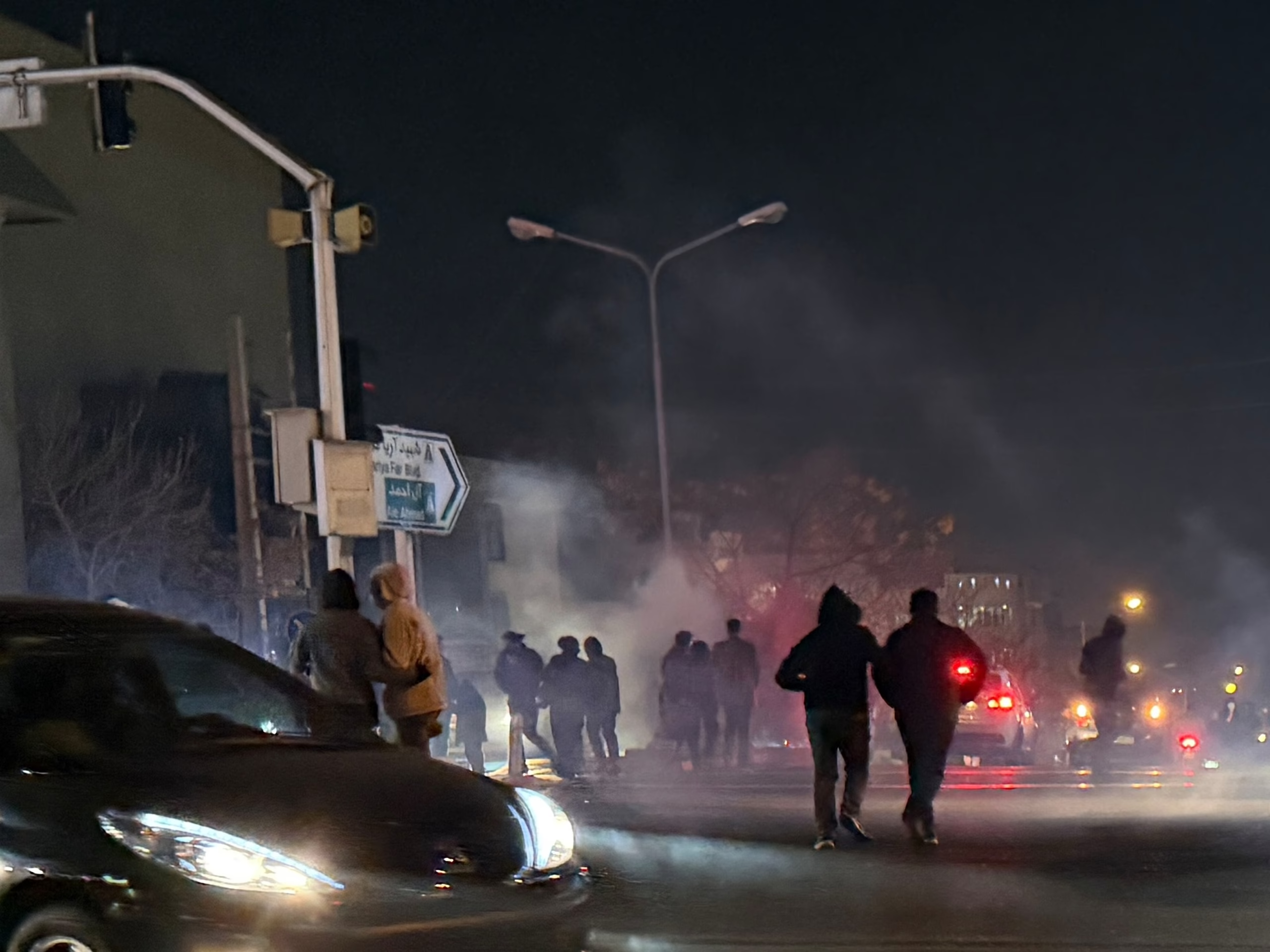
Rights groups verify over 600 deaths, many young protesters shot at close range, as authorities blame ‘rioters’ and foreign interference for unrest.
TEHRAN – Among the hundreds of victims of Iran’s ongoing crackdown on nationwide protests, human rights groups have verified the deaths of a young fashion designer, a promising teen footballer, a champion bodybuilder, and a student who had just turned 18—all reportedly shot by security forces.
The Norway-based organization Iran Human Rights (IHR) said it has confirmed the killing of at least 648 protesters since the unrest began, including nine minors and six women, warning the actual toll could be “in the thousands.”
“The killings are intense all over the country where there have been protests,” IHR Director Mamood Amiry Moghaddam told AFP, describing most victims as “mostly young men.” Iranian officials have said dozens of security force members have also been killed, blaming the violence on “rioters” and Iran’s foreign adversaries.
Through verified accounts compiled by IHR and the Kurdish-focused group Hengaw, the human cost of the crackdown is coming into focus:
Rubina Aminian, 23, a student at Tehran’s women-only Shariati College, was shot in the head from behind on January 8 after leaving campus to join the protests. Her family, retrieving her body from a morgue, told IHR they were “confronted with the bodies of hundreds of young people.” Authorities barred a public funeral, forcing her burial by a roadside.
Erfan Faraji, 18, was killed days after his birthday. His body was identified in the Kahrizak morgue—where images of stacked body bags circulated worldwide—and quietly buried by relatives.
Rebin Moradi, 17, a rising football talent with Tehran’s Saipa Club youth team, was shot dead during protests. His family has been unable to reclaim his remains, Hengaw reported.
Mehdi Zatparvar, 39, a former national bodybuilding champion and sports coach, was also shot and killed during demonstrations last week.
The protests initially erupted over economic hardship and currency collapse but have since evolved into broader unrest. As families mourn in silence—often barred from holding public ceremonies—rights monitors continue to document casualties, fearing the true scale of loss remains unseen.
