
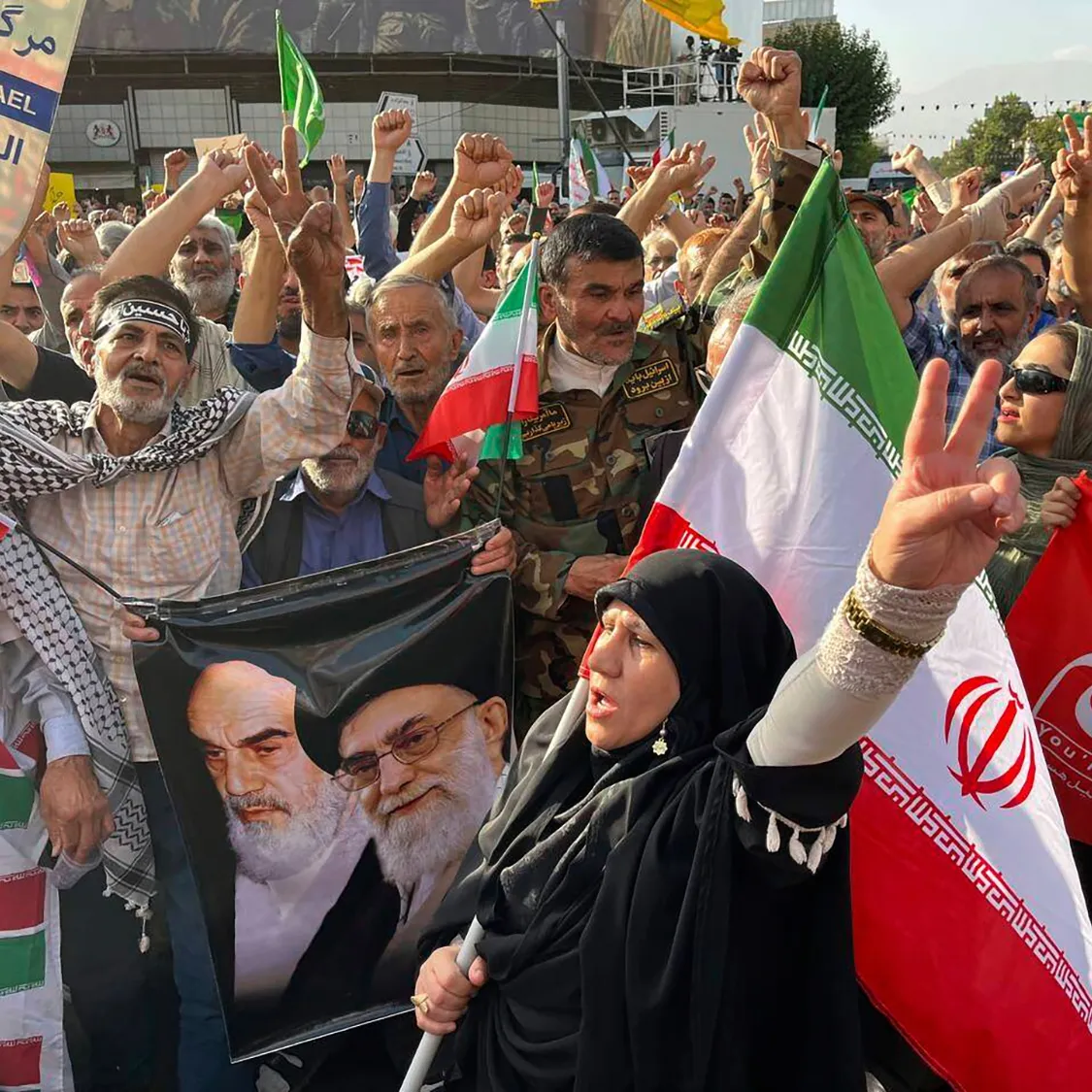
The selection of Iran’s supreme leader follows a unique constitutional process overseen by a powerful clerical body known as the Assembly of Experts.
Who elects the supreme leader?
The decision rests with the 88-member Assembly of Experts, a council of Islamic scholars elected by the public every eight years. Despite being popularly elected, candidates for the assembly must first be approved by Iran’s Guardian Council, which vets contenders for ideological and religious suitability.
When does the process begin?
The assembly convenes when the position of supreme leader becomes vacant due to death, resignation, or incapacity. Meetings are typically held behind closed doors, and deliberations are kept confidential.
How is the leader chosen?
Members of the Assembly of Experts evaluate potential candidates based on several constitutional
criteria, including:
Deep knowledge of Islamic jurisprudence
Political and administrative capability
Loyalty to the principles of the Islamic Republic
Ability to provide religious and political leadership
The assembly can appoint one leader or a leadership council, although historically Iran has always chosen a single supreme leader.
Voting procedure
The assembly debates potential candidates and then holds a vote. A simple majority determines the final choice.
In exceptional circumstances, a temporary leadership council may be appointed until a permanent leader is selected.
Past precedents
Iran has had two supreme leaders since the 1979 Islamic Revolution:
Ayatollah Ruhollah Khomeini (1979–1989) – founder of the Islamic Republic
Ayatollah Ali Khamenei (1989–2026) – who ruled for nearly four decades
After Khomeini’s death in 1989, the Assembly of Experts quickly elected Ali Khamenei following intense internal consultations.
Why this election matters now
The current leadership transition comes at a moment of unprecedented geopolitical pressure, with Iran involved in escalating conflict with the United States and Israel.
The choice of the next supreme leader will determine not only Iran’s domestic political direction but also its future stance toward the West and regional security dynamics.
