
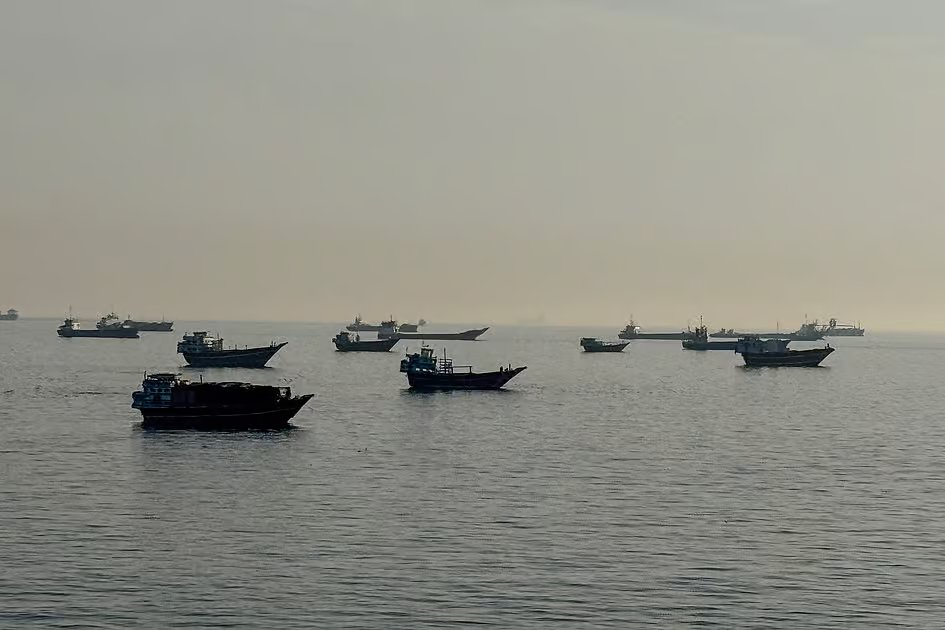
The head of Iranian parliament’s national security commission, has said that they have “prepared a professional mechanism to manage traffic” through the strait
Iran’s top security body announced on Monday the formation of a new body to manage the Strait of Hormuz, which Tehran has effectively closed and wants to charge ships to traverse.
On its official X account, the Supreme National Security Council shared a post for the [Arabian] Gulf Strait Authority, saying that it would provide “real‑time updates on the #Hormuz_Strait operations and latest developments.” The account of the Revolutionary Guards navy shared the same post.
The PGSA is the legal entity and representative authority of Iran for managing the passage and transit through the Strait of Hormuz, they said in another post.
“Navigation within the introduced boundaries of the Strait of Hormuz, which were previously determined by the Armed Forces and authorities of the Islamic Republic of Iran, is contingent upon full coordination with these entities, and passage without permission will be considered illegal,” they added.
It was not immediately clear what the new body would do but earlier this month Iranian English-speaking broadcaster Press TV said it constituted a “system to exercise sovereignty over the Strait of Hormuz” and that ships passing through the strait were sent “regulations” from the email [email protected].
Iran has largely blocked shipping through the vital strait since the outbreak of war with the United States and Israel on February 28. A fragile ceasefire has been in place since April 8.
Iran’s grip over the waterway has rattled global markets and given Tehran significant leverage, while the United States has imposed its own naval blockade on Iranian ports.
In peacetime, the route accounts for roughly a fifth of global oil and liquefied natural gas shipments, along with other key commodities including fertiliser.
Since the war began, Iran has repeatedly said that maritime traffic through the strait would “not return to its pre-war status” and last month it said it had received the first revenue from tolls on the waterway.
On Saturday, Ebrahim Azizi, head of the Iranian parliament’s national security commission, said Iran “has prepared a professional mechanism to manage traffic” through the strait, adding that it will be “unveiled soon”.
Azizi added that only commercial vessels and parties cooperating with Iran would benefit from the arrangement. He said fees would be collected for specialised services provided under the mechanism.
