
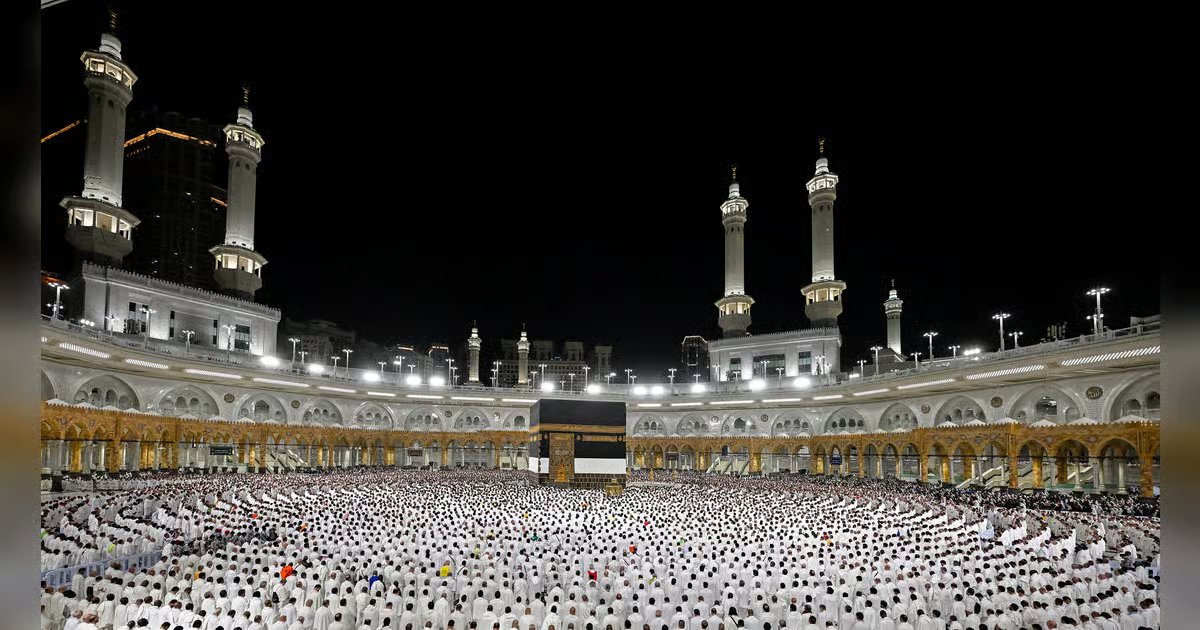
From ihram and unscented essentials to documents, heat-and-crowd items and a final health check, here’s a practical guide to what UAE pilgrims should put in the bag
For UAE pilgrims already registered and approved through the General Authority of Islamic Affairs, Endowments and Zakat, the final days before travelling for Hajj come down to one practical task — packing the bag.
The first thing for pilgrims to do is start with ihram — the sacred spiritual state and specific attire every pilgrim must enter before performing Hajj. For men, this means carrying two white garments, ideally with a spare set, as they can quickly become soiled in the heat, along with a money belt for essentials.
Meanwhile, women have no fixed ihram dress, but loose and modest clothing, breathable abayas and light cotton garments in pale colours are recommended for the hot weather. Comfortable, well-worn footwear is also essential, as pilgrims spend long hours walking between holy sites. Many are also advised to carry a small cloth bag to to store shoes while inside the Grand Mosque.
Personal care items require extra attention because scented products are prohibited during ihram. Pilgrims are advised to pack fragrance-free soap, shampoo, deodorant, and lotions, as well as wet wipes, hand sanitiser, and face masks for the crowds.
A small medical kit is equally important. Pilgrims should carry personal medication in generous quantities along with prescriptions, blister plasters, petroleum jelly for long walks, painkillers, sunscreen, and eye drops.
Keeping travel documents together organised can make the journey smoother. Passport, visa, Hajj permit, Emirates ID, vaccination certificates, and a few photos should be stored together in a pouch worn under clothing rather than a back pocket. Pilgrims are also encouraged to keep both digital and printed copies of important documents in case originals are misplaced or lost.
To cope with the heat and the crowds, pack a small cross-body bag or backpack, an umbrella, a refillable water bottle, and a foldable prayer mat. A light mat or thin sheet is useful for the night pilgrims spend in the open at Muzdalifah, and a pouch for the pebbles collected there for the stoning ritual at the Jamarat. Carry a phone, charger and a power bank, and split cash in small notes across more than one place. Easily forgotten items include small scissors or a trimmer for after the rites, a laundry bag, a padlock, and dates for the road.
Physical readiness matters as much as the packing. The Ministry of Health and Prevention (Mohap) has urged pilgrims to complete medical check-ups and required vaccinations before travelling, particularly the meningococcal vaccine.
The bag is the straightforward part of the preparation. Packed early, it leaves the final days clear for everything else the journey asks of a pilgrim.
