
This follows an earlier statement by health authorities that said the country is fully prepared to respond to any emerging health developments, including those related to Ebola
The public health situation in the UAE remains stable, with no indication of concern within the country, the National Emergency Crisis and Disaster Management Authority (NCEMA) announced on Saturday, May 30.
The announcement came after a meeting between NCEMA, the Ministry of Health and Prevention (MoHAP), emergency management officials and strategic partners. During the meeting, stakeholders reviewed the latest regional and international developments related to the Ebola virus and assessed the country’s readiness to respond to any potential health risks.
As part of the discussions, officials examined current epidemiological trends and evaluated existing preparedness measures to ensure the UAE remains ready to address emerging public health challenges.
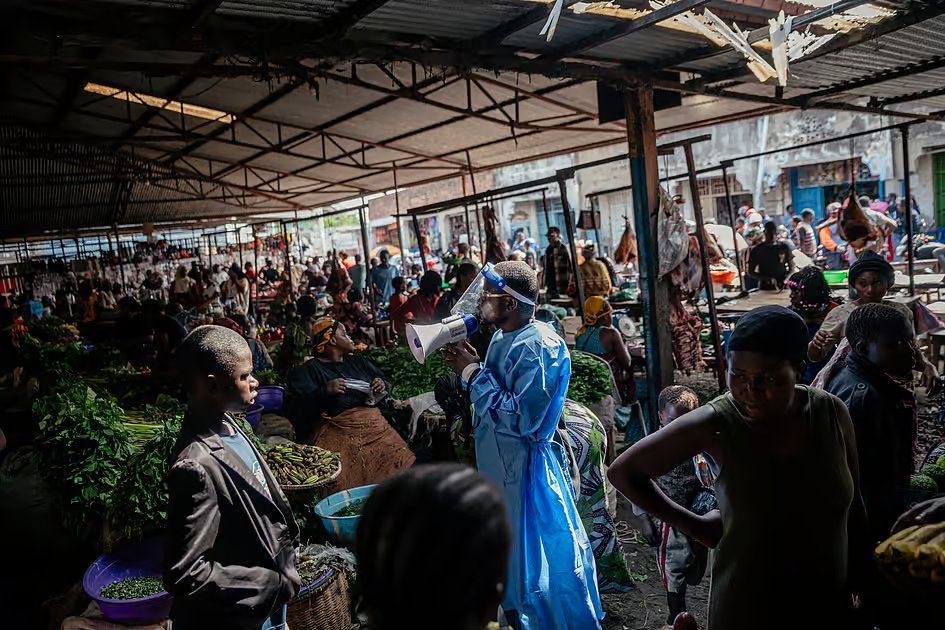
The review comes as an Ebola outbreak continues in the Democratic Republic of Congo (DRC), with cases also reported in Uganda, prompting heightened vigilance in several countries. In response to the situation, the UAE on Saturday advised its citizens against travelling to three Ebola-hit countries Uganda, Democratic Republic of Congo, and South Sudan except when necessary.
The latest assessment follows a May 19 statement by UAE health authorities, that said the country is fully prepared to respond to any emerging health developments, including those related to Ebola, citing the strength of its surveillance and response systems.
Medical experts in the UAE have also sought to reassure residents, stressing that the risk to the public remains “extremely low”. Doctors urged travellers to stay informed about symptoms and follow basic health precautions, while emphasising that Ebola does not spread through casual public contact such as passing through airports, shopping malls or using public transport.
Bahrain, Jordan suspend entry of travellers from Ebola-hit countries
Several countries have introduced precautionary measures in response to the outbreak. Bahrain announced a 30-day suspension on the entry of foreign travellers arriving from South Sudan, Democratic Republic of Congo, and Uganda, becoming the first GCC country to impose such restrictions.
Jordan has similarly suspended the entry of travellers arriving from the three Ebola-hit countries.
WHO identifies potential Ebola treatments
As efforts to contain the outbreak continue, the World Health Organisation has identified three experimental treatments for the Bundibugyo strain of Ebola — MBP134 developed by Mapp Biopharmaceutical, Regeneron’s maftivimab and Gilead Sciences’ antiviral remdesivir.
The agency has recommended that these treatments, along with potential vaccine candidates, be evaluated in clinical trials to gather more data on their effectiveness.
