Close Menu
    What's Hot

    Colombia votes in presidential election that could redefine relations with USThe election is held after months of public recrimination between current left-wing President Gustavo Petro and his US counterpart Donald Trump.49 mins agoLatin America

    May 31, 2026

    Ferrari wanted to take on Chinese EVs with the Luce – then the backlash startedThe brand's first EV has been heavily criticised, with some saying it has abandoned Ferrari's roots.10 hrs ago

    May 31, 2026

    How stamps and postcards helped India count its peopleIndia's post office turned stamps, postcards and letters into tools for counting a nation after independence in 1947.8 hrs agoAsia

    May 31, 2026
    Facebook X (Twitter) Instagram
    • Politics
    • Economy
    Facebook X (Twitter) Instagram
    Gulf News Week
    Subscribe
    Sunday, May 31
    • Home
    • Politics
      • Europe
      • Middle East
      • Russia
      • Social
      • Ukraine Conflict
      • US Politics
      • World
    • Region
      • Middle East News
    • World
    • Economy
      • Banking
      • Business
      • Markets
    • Real Estate
    • Science & Tech
      • AI & Tech
      • Climate
      • Computing
      • Science
      • Space Science
      • Tech
    • Sports

      Dominant PSG put Liverpool on the brink with 2-0 Champions League quarter-final first-leg win

      April 9, 2026

      Dubai Basketball U-18 Elite Crowned Basket Cup Sarajevo 2026 Champions in Historic Debut

      April 6, 2026

      Saudi boxing crowns 20 champions as Kingdom’s Elite Belt concludes in Riyadh

      April 4, 2026

      “He Signed for a Real Fight”: Pacquiao Contradicts Mayweather Over Rematch Status

      April 3, 2026

      Arsenal Hold Off Chelsea Fightback to Reach Women’s Champions League Semi-Finals

      April 2, 2026
    • Health
    • Travel
    • Contact
    Gulf News Week
    Home»Politics»Middle East»The strait may reopen, but global confidence may not return
    Middle East

    The strait may reopen, but global confidence may not return

    Gulf News WeekBy Gulf News WeekMay 31, 2026Updated:May 31, 2026No Comments5 Mins Read
    Share Facebook Twitter Pinterest Copy Link LinkedIn Tumblr Email VKontakte Telegram
    The strait may reopen, but global confidence may not return
    Share
    Facebook Twitter Pinterest Email Copy Link

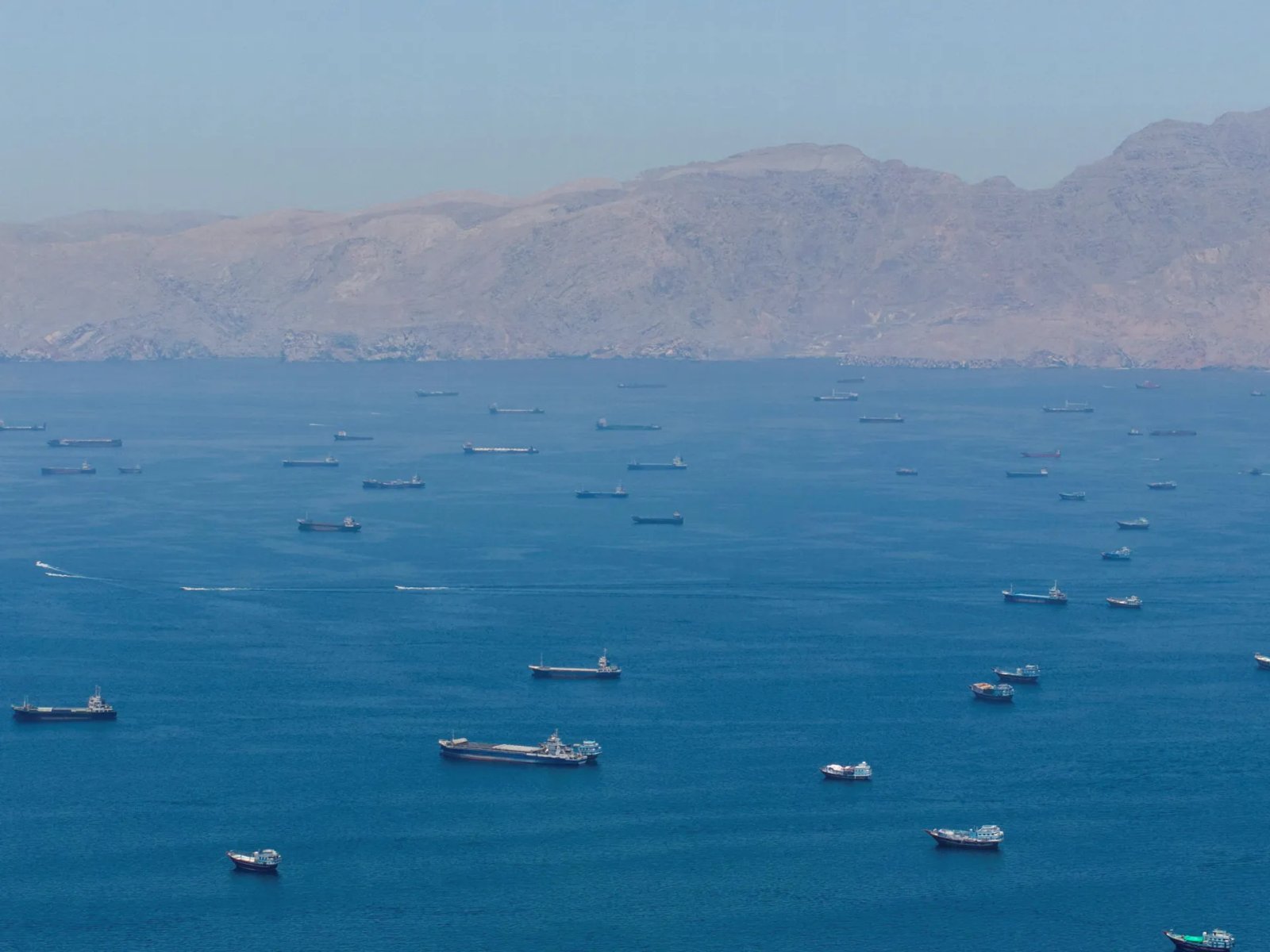
    The next phase of the Strait of Hormuz crisis may be defined less by its closure and more by conditional access.

    United States President Donald Trump’s claim that a deal to reopen the Strait of Hormuz has been largely negotiated may calm markets temporarily. But the deeper significance of the current crisis lies elsewhere. The issue is no longer only whether trade routes remain open but who has the power to condition access to them.

    The specific terms of any agreement may evolve, and any diplomatic arrangement may still be delayed, contested or revised. But the broader pattern is already visible: Strategic trade routes are becoming more politically managed, commercially exposed and geopolitically contested.

    The danger is not necessarily that diplomacy fails. The more important risk is that it succeeds just enough to disguise a weaker order as stability.

    Temporary calm is not the same as strategic stability. Calm can be negotiated; stability must be trusted.

    The most important shift, therefore, is not from war to peace but from disruption to governance.

    Iranian plans for an authority to manage the Strait of Hormuz and exert greater influence over routing decisions and possible transit tolls show that Tehran is attempting to convert temporary leverage into a more permanent role in managing the waterway.

    Therefore, the strategic question is shifting from access to governance. Access relates to whether ships can pass. Governance relates to who sets the rules, prices the risks, controls the exceptions and decides when normal commerce becomes conditional.

    This matters not only for the Gulf, but for the wider international system. States that depend heavily on maritime trade now face a situation in which commercial access is shaped not simply by markets but also by geopolitical leverage, sanctions pressure, naval power and crisis diplomacy.

    Advertisement

    Asia remains central to this calculation. China, India, Japan and South Korea are among the principal end users of Gulf energy, and much of the commercial risk created by uncertainty in the Strait of Hormuz is transmitted eastwards. But the implications extend beyond Asia. Many developing economies remain highly exposed to energy volatility and shipping disruptions while possessing little influence over the geopolitical contest surrounding them.

    The emerging pattern suggests a world in which commerce resumes but only under temporary political conditions that must be repeatedly renegotiated. That matters because modern trade depends on more than physical access. It depends on predictability, insurance, legal clarity, naval confidence and the belief that today’s route will still be viable tomorrow.

    This is the difference between de-escalation and normalisation. De-escalation reduces the danger of immediate conflict. Normalisation restores confidence. At present, the first may be achievable, but the second remains distant.

    None of this means the Strait of Hormuz is destined for permanent crisis, nor does it mean diplomacy is futile. The point is more limited but more important: Even successful crisis management may leave behind a less reliable commercial order.

    For markets, this distinction is crucial. If an agreement is announced, reopening may be treated as resolution. That would be premature. Temporary calm can easily be mispriced as durable stability. Freight rates may ease, energy prices may soften and equity markets may rally. Yet none of that necessarily means the underlying risk has disappeared. It may only mean that the crisis has been deferred to the next negotiation cycle.

    This process has consequences well beyond oil. Refiners must plan procurement against shifting risk premiums. Manufacturers must price energy and transport volatility into their margins. Insurers must reassess exposure. Shipping firms must make routing decisions under political uncertainty. Banks and traders must account for sanctions risks, payment disruptions and compliance costs.

    This is how geopolitical instability enters the global economy: not only through spectacular shocks but also through recurring uncertainty that gradually raises the cost of ordinary commerce.

    The larger lesson of the Strait of Hormuz crisis is that globalisation is not ending. It is becoming more politically exposed and strategically conditional.

    Companies and governments that built their assumptions around frictionless movement must now operate in a world where passage, payments, insurance, ports and suppliers are increasingly vulnerable to geopolitical pressure. The Strait of Hormuz is only one chokepoint. But because of its centrality to global energy flows, it has become one of the clearest examples of this wider transformation.

    For policymakers, responding to the present crisis requires more than reassurance that ships are moving again. It requires coordination between governments, commercial operators, insurers, shipping firms and energy buyers. It also requires recognising that strategic infrastructure can no longer be treated as politically neutral.

    For boardrooms, the lesson is similar. Geopolitical risk can no longer sit outside procurement, logistics, treasury and insurance decisions. The question is no longer whether crises will interrupt trade. It is whether business models can absorb recurring instability without losing resilience or strategic flexibility.

    Whatever happens with the ongoing negotiations between Iran and the US, one thing is certain: We are unlikely to go back to the old assumption that global commerce can move through strategic chokepoints as if geopolitics were merely background noise.

    The views expressed in this article are the author’s own and do not necessarily reflect media’s editorial stance.

    Asia Pacific China Iran Japan Middle East Opinions South Korea
    Share. Facebook Twitter Pinterest LinkedIn Tumblr Email Telegram Copy Link
    Gulf News Week

    Related Posts

    Most Viewed News

    Colombia votes in presidential election that could redefine relations with USThe election is held after months of public recrimination between current left-wing President Gustavo Petro and his US counterpart Donald Trump.49 mins agoLatin America

    May 31, 2026
    Most Viewed News

    Ferrari wanted to take on Chinese EVs with the Luce – then the backlash startedThe brand's first EV has been heavily criticised, with some saying it has abandoned Ferrari's roots.10 hrs ago

    May 31, 2026
    Most Viewed News

    How stamps and postcards helped India count its peopleIndia's post office turned stamps, postcards and letters into tools for counting a nation after independence in 1947.8 hrs agoAsia

    May 31, 2026
    Most Viewed News

    Japan defence minister denies militarism and criticises China's 'huge arsenal'Shinjiro Koizumi makes some of Tokyo's most pointed remarks yet in the dispute over Japan's military build-up.30 mins agoAsia

    May 31, 2026
    Most Viewed News

    PSG go back-to-back and join 'greatest of all time'Paris St-Germain underline their status as one of European football's greatest ever teams by retaining their Champions League crown with victory against Arsenal.10 hrs agoEuropean Football

    May 31, 2026
    Most Viewed News

    Mumbai's famed dabbawalas fed millions for over 100 years – now they are disappearingDabbawalas, who deliver home-cooked meals, are leaving the trade as remote work and rising costs threaten their future.1 day agoAsia

    May 31, 2026
    Add A Comment

    Comments are closed.

    Editors Picks

    Colombia votes in presidential election that could redefine relations with USThe election is held after months of public recrimination between current left-wing President Gustavo Petro and his US counterpart Donald Trump.49 mins agoLatin America

    May 31, 2026

    Ferrari wanted to take on Chinese EVs with the Luce – then the backlash startedThe brand's first EV has been heavily criticised, with some saying it has abandoned Ferrari's roots.10 hrs ago

    May 31, 2026

    How stamps and postcards helped India count its peopleIndia's post office turned stamps, postcards and letters into tools for counting a nation after independence in 1947.8 hrs agoAsia

    May 31, 2026

    The strait may reopen, but global confidence may not return

    May 31, 2026
    Latest Posts

    Colombia votes in presidential election that could redefine relations with USThe election is held after months of public recrimination between current left-wing President Gustavo Petro and his US counterpart Donald Trump.49 mins agoLatin America

    May 31, 2026

    Ferrari wanted to take on Chinese EVs with the Luce – then the backlash startedThe brand's first EV has been heavily criticised, with some saying it has abandoned Ferrari's roots.10 hrs ago

    May 31, 2026

    How stamps and postcards helped India count its peopleIndia's post office turned stamps, postcards and letters into tools for counting a nation after independence in 1947.8 hrs agoAsia

    May 31, 2026

    Subscribe to News

    Get the latest sports news from NewsSite about world, sports and politics.

    Advertisement
    Demo
    Gulf News Week

    Your source for the serious news. This demo is crafted specifically to exhibit the use of the theme as a news site. Visit our main page for more demos.

    We're social. Connect with us:

    Facebook X (Twitter) Instagram Pinterest YouTube
    Latest Posts

    Colombia votes in presidential election that could redefine relations with USThe election is held after months of public recrimination between current left-wing President Gustavo Petro and his US counterpart Donald Trump.49 mins agoLatin America

    May 31, 2026

    Ferrari wanted to take on Chinese EVs with the Luce – then the backlash startedThe brand's first EV has been heavily criticised, with some saying it has abandoned Ferrari's roots.10 hrs ago

    May 31, 2026

    How stamps and postcards helped India count its peopleIndia's post office turned stamps, postcards and letters into tools for counting a nation after independence in 1947.8 hrs agoAsia

    May 31, 2026

    Subscribe to Updates

    Get the latest creative news from FooBar about art, design and business.

    © 2026 Gulf News Week. Designed by HAM Digital Media.
    • Home
    • Politics
    • Economy
    • Sports

    Type above and press Enter to search. Press Esc to cancel.