
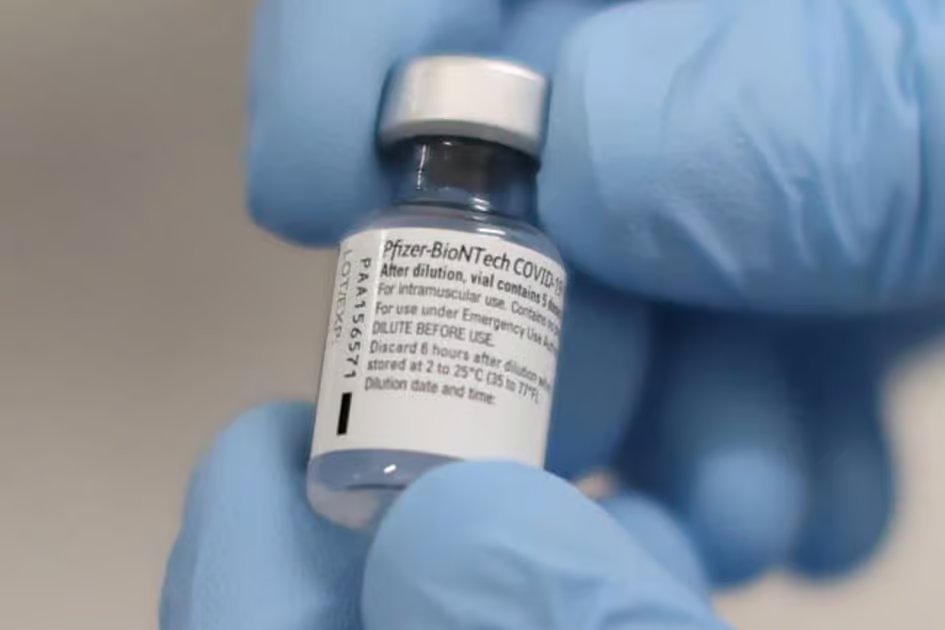
Medics are urging travellers to check destination-specific vaccine requirements well before departure to avoid delays, stress and preventable health risks
As schools break for summer and airports across the UAE prepare for one of the busiest travel periods of the year, healthcare professionals are warning residents against a common but often overlooked travel mistake leaving vaccinations until the final stages of trip planning.
While flights, accommodation and visa applications often take priority, many travellers fail to check whether their destination requires specific vaccines or health precautions. Doctors say this oversight can lead to unnecessary stress, disrupted travel plans and increased exposure to preventable illnesses.
According to UAE-based physicians, many travellers only become aware of vaccination requirements when they begin the visa process, receive travel documents or are days away from departure.
Dr Malaz Yabrodi, internal medicine specialist at Medcare Shaikh Saqr Al Qasimi Hospital Sharjah, said many people wrongly assume that routine vaccinations provide sufficient protection for every destination.
ÃOneof the most common mistakes travellers make is assuming that routine vaccinations are sufficient for every destination. Many people focus on booking flights and accommodation, while overlooking travel health requirements until a very late stage in the process.
He noted that travellers often discover vaccination recommendations or requirements only after starting visa applications or finalising travel arrangements.
Travelers may also overlook the importance of booster doses or fail to seek advice tailored to their age, medical history, and destination-specific risks.
In the UAE, where residents travel widely during peak holiday periods, advance planning is especially important, added Yabrodi.
Hajj, Umrah and destination-specific requirements
For many UAE residents, religious travel remains one of the most common reasons for seeking vaccine advice.
Dr Qudsia Anjum Fasih, family medicine specialist at Burjeel Day Surgery Centre, Al Shahama, said inquiries linked to Hajj and Umrah consistently account for a significant share of vaccine consultations.
In our practice, the highest number of vaccine inquiries is usually related to Umrah and Hajj travel. For these pilgrims, vaccines such as the meningococcal and influenza vaccines are among the key requirements and recommendations.
She stressed that routine vaccinations included in government immunisation programmes should always be completed on schedule. Beyond these, additional travel-related vaccines may depend on the destination.
Fasih said, For example, yellow fever vaccination may be required for travel to or from certain African countries. Typhoid and hepatitis vaccines are commonly discussed for travellers visiting parts of Asia, especially when there is a higher risk of foodborne or waterborne infections. These may not always be mandatory, but they are important preventive vaccines that families should discuss with a doctor before travelling.
She also highlighted the importance of discussing malaria prevention before travel.
Although malaria vaccination is not routinely used for travellers, preventive medications and mosquito-bite precautions are available and should be discussed based on the destination.
Healthcare professionals recommend that families seek personalised medical advice rather than relying solely on online information, as vaccine requirements and health risks can vary significantly between countries.
Why timing matters before international travel
Medics point out another recurring problem is that travellers leave vaccinations too close to their departure date.
Some vaccines require multiple doses, while others need several weeks before they provide effective protection. Delaying appointments can leave travellers without sufficient immunity when they arrive at their destination.
Dr Mahmoud Medhat Mahmoud Aboumousa, critical care medicine specialist at International Modern Hospital Dubai, said vaccine requirements often come to light surprisingly late in the travel process.
He added that this can result in avoidable anxiety, travel disruptions and incomplete protection against infectious diseases.
Dr Aboumousa also pointed to international guidance encouraging travellers to be fully protected against measles before travelling abroad.
Particular attention should be paid to vulnerable groups, including young children, older adults, pregnant women and individuals with chronic health conditions.
Families with children, elderly relatives, pregnant women, or people with diabetes, heart disease, weak immunity or chronic respiratory illness should seek travel health advice four to six weeks before departure.
He warned that last-minute vaccination may not allow enough time for immunity to develop.
Leaving vaccination until the last minute may mean the body does not have enough time to develop protection, multi-dose vaccines cannot be completed, side effects may occur during the trip, and high-risk travelers may be exposed to preventable infections in crowded airports, religious gatherings, rural areas or destinations with different disease patterns.
