
Protests in Iran are predominantly driven by mounting economic pressure and desperation amid the economic crisis.
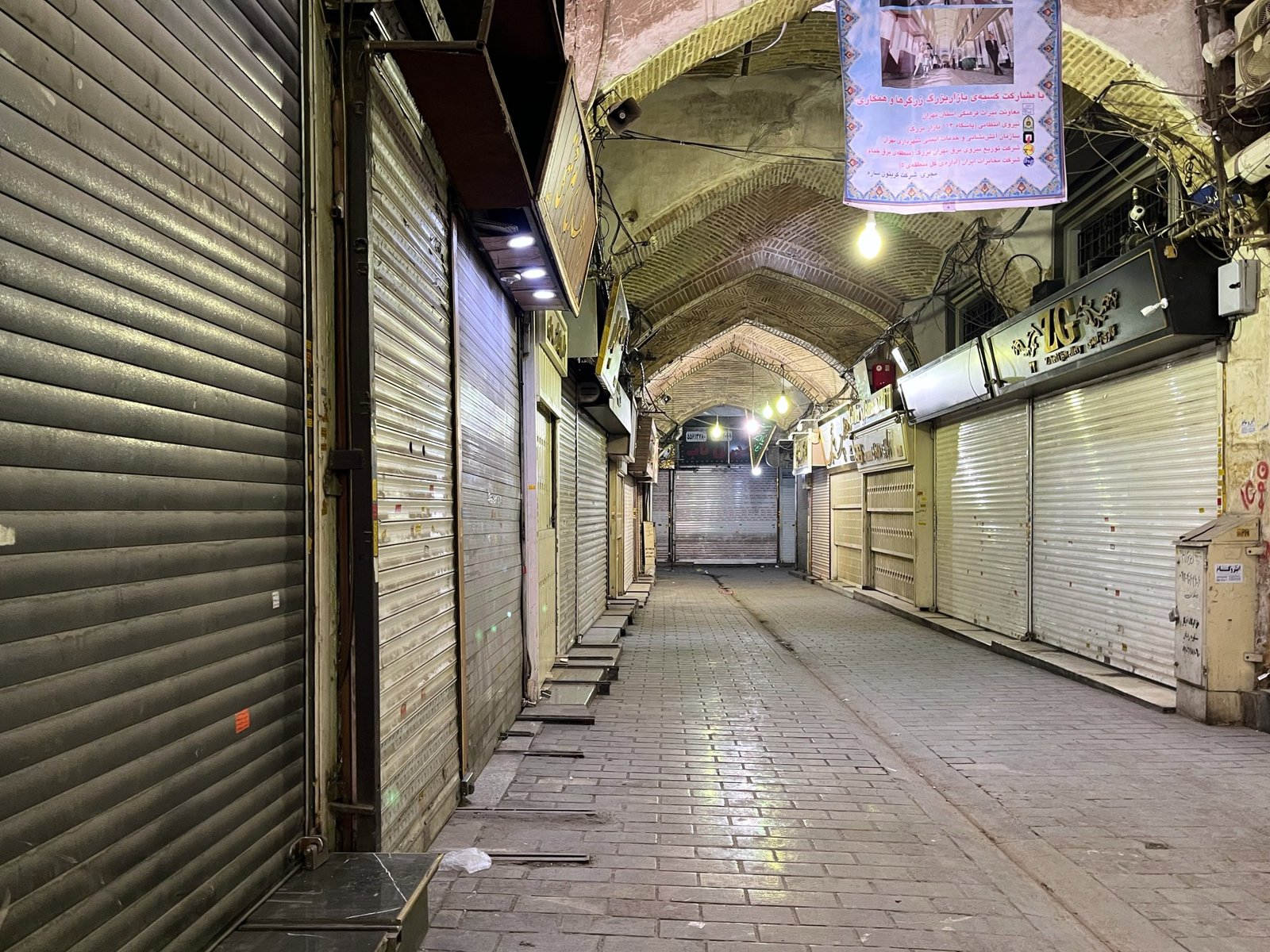
The protests in Iran started on a cold December day after several merchants at Tehran’s Grand Bazaar, along Jomhouri [Republic] Avenue, closed their shops in protest.
They grew weary of watching the Iranian national currency, the rial, continue to plummet. It had already lost nearly half of its value over the past year, which means the merchants were losing daily, and their financial loss was only increasing by the day.
The protests in the capital soon spread sporadically across Iran and were predominantly driven by mounting economic pressures and soaring consumer prices.
These commercial hubs, long considered bellwethers of public sentiment, became flashpoints for frustration over longstanding high inflation, stagnant wages, and the rising cost of living.
From there, scattered demonstrations spread to cities in western Iran such as Azna, Malekshahi, and Kermanshah.
Marvdasht in southern Iran and Fouladshahr in the centre, among others, followed. Some escalated into violent confrontations with security forces, resulting in deaths, injuries, and many arrests.
Economic focus
There have been many previous waves of unrest in Iran.
The student and reformist protests of 1999-2003 demanded democratic reform and challenged the country’s ruling hardline Muslim scholars.
The Green Movement erupted after the disputed June 2009 presidential election, with citizens demanding the removal of President Mahmoud Ahmadinejad and greater democratic reform.
The Woman, Life, Freedom protests of 2022-2023 followed the controversial death in custody of Mahsa Amini, who had been arrested by the morality police for not wearing her hijab properly.
But the latest round of protests has been driven less, if at all, by sociopolitical demands and more by economic desperation.
What compels many into the streets today is not mere restlessness, but the heavy toll of empty pockets – privation, unpaid bills, and the quiet erosion of dignity brought on by scarcity. It is the weight of absence, the ache of unmet needs, that transforms private despair into public outcry.
Years of stringent international sanctions, compounded by domestic mismanagement, have left Iran’s economy in a fragile state. The economic squeeze has eroded public confidence and deepened dissatisfaction, particularly among the working and lower-middle classes, who now find themselves struggling to meet daily needs.
Responsiveness and authority
Another aspect of the ongoing protests that has differed from many previous episodes of unrest in Iran has been the state’s response.
Tehran has reacted with immediacy, swiftly acknowledging the force of public demand.
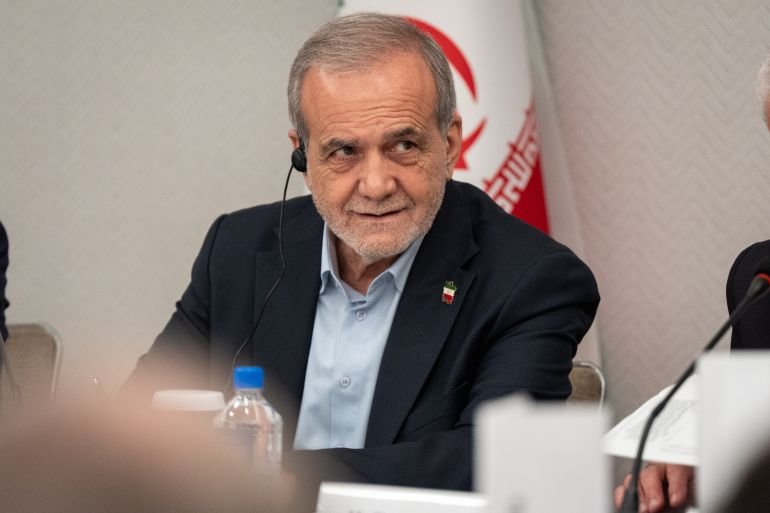
President Masoud Pezeshkian, who leads a reformist administration, moved quickly to acknowledge the public’s right to peaceful protest. In a notable departure from the hardline responses of previous governments, Pezeshkian has instructed the Ministry of Interior to engage directly with demonstrators and emphasised the importance of listening to citizens’ concerns.
In tandem with calls for dialogue, the government announced a series of policy initiatives aimed at addressing the root causes of public discontent.
These include the development of a new subsidy framework and a comprehensive plan designed to improve living standards.
Additionally, the appointment of a new governor for the Central Bank of Iran has been presented as a step towards stabilising the currency and restoring public confidence in economic management.
These policy gestures have been accompanied by a broader narrative from the country’s leadership, framing the unrest within the context of both domestic hardship on the one hand, and external pressure and foreign interference on the other.
“We are in a situation where external pressures are being exerted by the country’s enemies, and unfortunately, within the country as well,” Pezeshkian said.
“Right now, the enemy has placed most of its hopes on knocking us down through economic pressure. We must remain united and committed to improving our country.”
Other senior figures within the state have echoed a dual-track message: Support for legitimate protest, coupled with a firm stance against disorder.
On top of all, Supreme Leader Ayatollah Ali Khamenei, in his first public remarks on the matter, stated: “Protest is justified, but protest is different from rioting. We talk with the protester, and officials must talk with the protester; but speaking with a rioter is of no use – the rioter must be made to sit in his own place.”
The Secretary of the Supreme National Security Council Ali Larijani also weighed in to draw the distinction between economic grievances and disruptive behaviour.
In a post on X, he wrote, “We distinguish between the stance of the protesting shopkeepers and the actions of disruptive actors.”
Fears of foreign interference
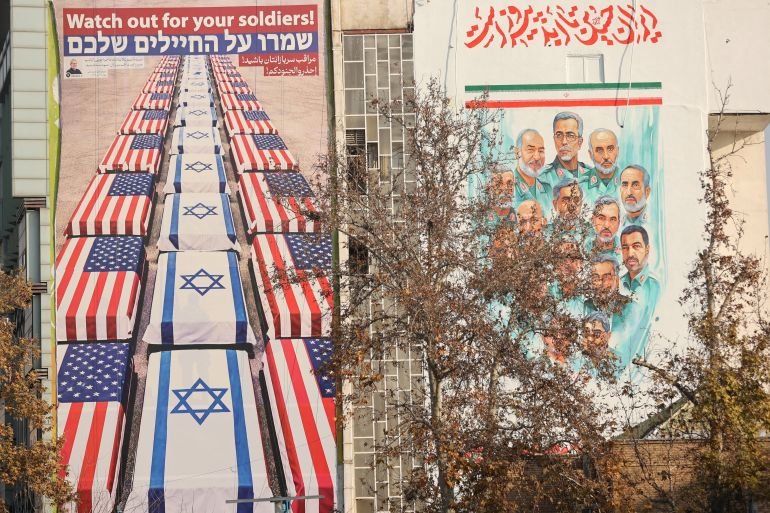
The state’s messaging is being shaped by concerns over foreign interference. These fears were amplified after United States President Donald Trump posted on social media that if Iran were to “shoot and kill protesters”, the US would “come to their rescue”.
Israeli officials also issued statements of support for the demonstrators, further raising suspicion in Tehran. In response, Larijani warned, “Trump should know that US interference in this internal matter would mean destabilising the entire region and destroying America’s interests.”
The protests have continued in some cities, but they’re yet to gain the momentum and coalesce into a sustained or widespread movement as in previous episodes, and some cities have now returned to peace.
The underlying economic pressures, though, remain both acute and accumulated.
Inflation keeps chipping away at purchasing power, while relentless financial volatility has rendered even the simplest planning precarious for many citizens.
The strain comes on top of a year of upheaval: The collapse of nuclear talks, unprecedented Israeli-US strikes, and the re‑imposition of United Nations sanctions – shocks that rattled the nation on every front.
Regardless of whether people come to the streets, the strain continues to press upon daily life, and while the state’s willingness to engage with citizens marks a notable departure from past approaches, without tangible improvements in living standards, the possibility of nationwide unrest remains close at hand.
As Iran navigates this delicate multilayered juncture, the balance between responsiveness and authority will shape not only the trajectory of the reformist government but the broader political landscape.
For now, not all streets across the country are witnessing protest, yet the grievances have been unmistakably voiced — and the state’s ability to translate promises into palpable relief will determine whether protesters retreat and a fragile calm can be consolidated, or whether more will take to the streets and it proves merely the calm before the storm.
