
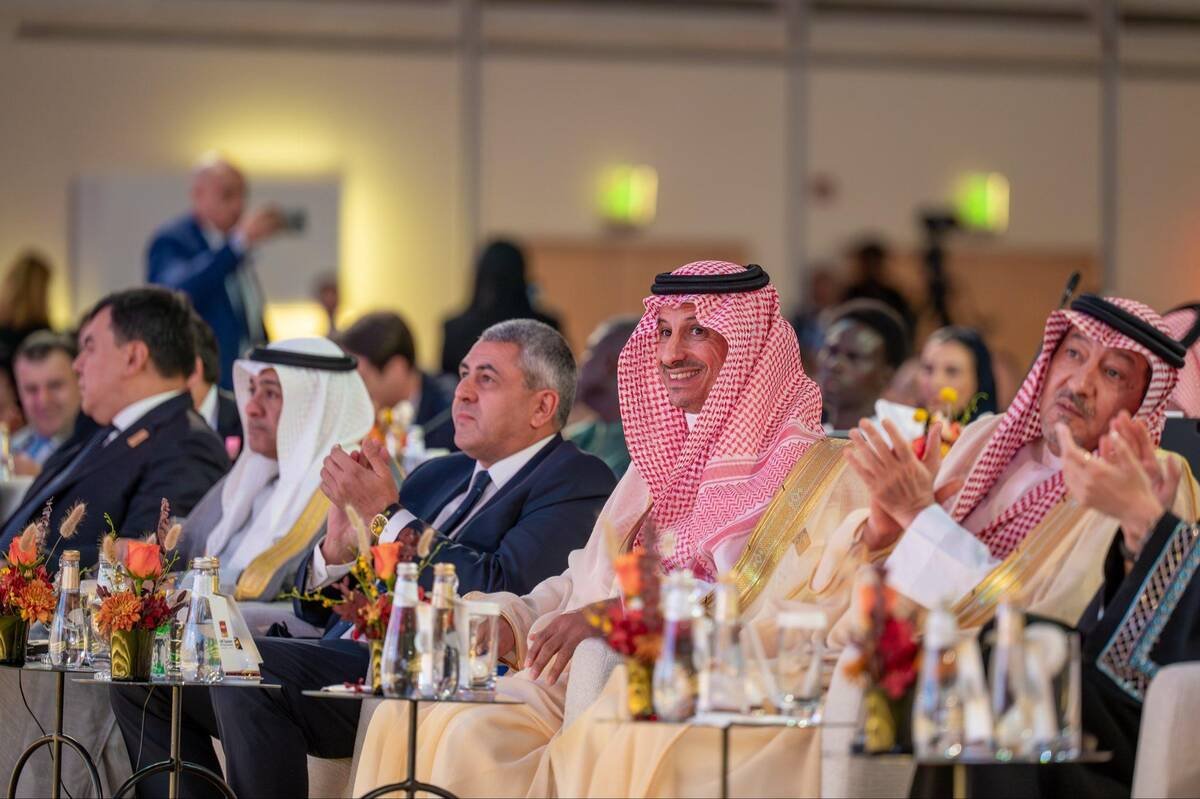
Record-breaking UNWTO assembly, hosted for the first time in the Gulf, serves as a platform for the Kingdom to showcase its transformative Vision 2030 and drive international agenda on AI and sustainable travel.
RIYADH – Saudi Arabia is steering the global conversation on the future of tourism as it hosts a historic UN World Tourism Organization (UNWTO) General Assembly, the largest in the organization’s 50-year history. The high-profile gathering in Riyadh has become a powerful platform for the Kingdom to demonstrate its rapid ascent as a tourism powerhouse and to align global efforts on innovation and sustainable development.
The event, attracting delegates from more than 150 countries, underscores a seismic shift in the global tourism landscape. Saudi Tourism Minister Ahmed Al-Khateeb framed the summit as a pivotal moment for international collaboration, stating that the world has united “to elevate the global tourism sector,” which he described as a proven catalyst for economic growth and social development worldwide.
The assembly serves as a validation of Saudi Arabia’s ambitious tourism strategy. UNWTO Secretary-General Zurab Pololikashvili lauded the Kingdom as “one of the most ambitious and powerful-looking nations,” directly linking its reforms under Vision 2030 to the successful bid for mega-events like Expo 2030 and the 2034 FIFA World Cup.
Discussions at the summit are centered on critical global challenges and opportunities, including:
- Workforce Development: Preparing for an estimated 43 million new tourism jobs in the next decade.
- Technological Transformation: Leveraging Artificial Intelligence (AI) to enhance, rather than replace, the human-centric experience of travel.
- Sustainable and Inclusive Growth: Ensuring local communities benefit and environmental treasures are protected.
The establishment of the UNWTO Regional Office for the Middle East in Riyadh further cements the Kingdom’s role as a central hub for the industry’s future, marking a new chapter of leadership in one of the world’s most vital economic sectors.
