
President’s State of the Union Remarks Contrast with Military Build-Up as Nuclear Talks Loom
SHARJAH — US President Donald Trump has asserted that Iran is developing long-range missile technology with the potential to strike the continental United States, a claim that comes despite the significant geographic distance between the two nations and existing intelligence assessments.
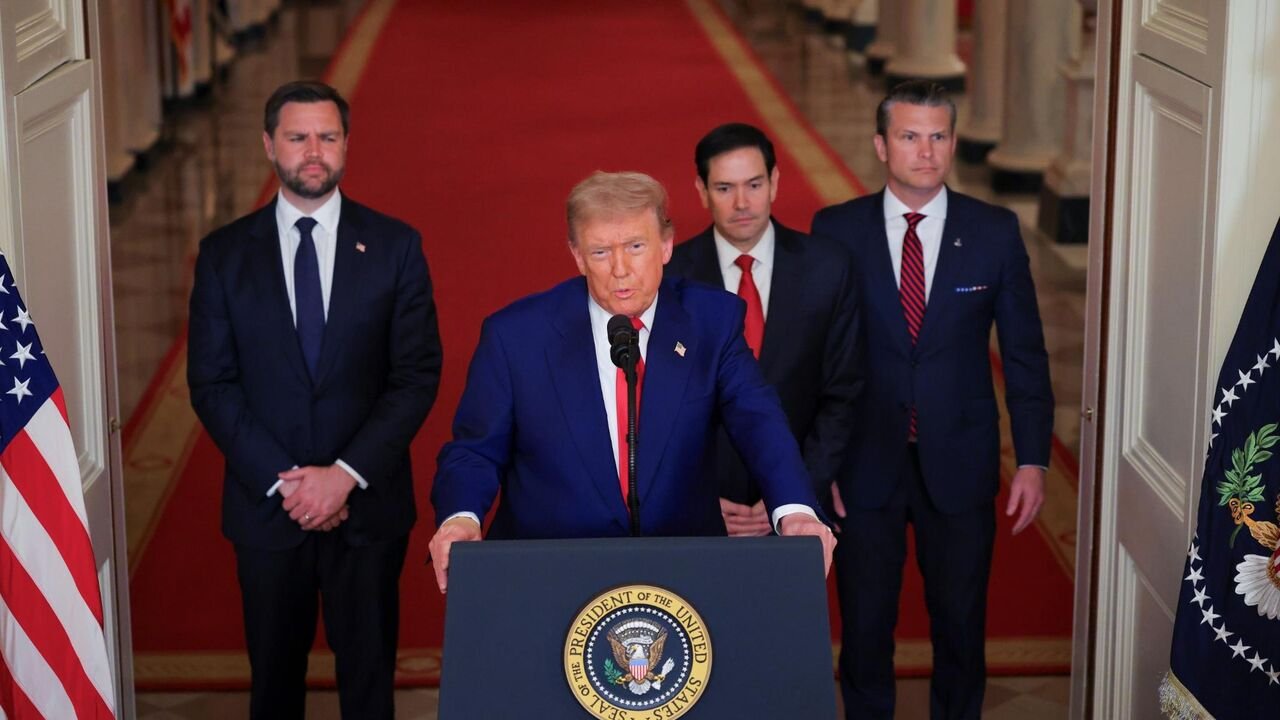
During his State of the Union address on Tuesday, Trump warned of an escalating threat from Tehran. “They’ve already developed missiles that can threaten Europe and our bases overseas, and they’re working to build missiles that will soon reach the United States of America,” he stated.
The president’s remarks raise the stakes just days before scheduled talks aimed at curbing Iran’s nuclear program. However, current data and intelligence estimates appear to contrast with the immediacy of the threat described.
According to the US Congressional Research Service, Iran’s current ballistic missile inventory consists of short- and medium-range variants, with a maximum range of approximately 1,850 miles (3,000 kilometers). The distance from Iran’s western border to the east coast of the United States is more than 6,000 miles.
Furthermore, a 2025 assessment by the US Defense Intelligence Agency suggested that Iran could potentially develop a militarily viable intercontinental ballistic missile (ICBM) by 2035, but only “should Tehran decide to pursue the capability.” The report did not indicate that such a decision had been made.
Despite the强硬 rhetoric, Trump emphasized a preference for a diplomatic resolution to the long-standing standoff. “I prefer to solve the confrontation through diplomacy,” he said regarding the ongoing negotiations.
The United States and Iran have already held two rounds of talks aimed at forging a new agreement to replace the nuclear deal dismantled by the Trump administration in his first term. Washington is pushing for a comprehensive deal that not only caps Iran’s uranium enrichment but also addresses its ballistic missile program and regional influence—demands Tehran has so far rejected.
Concurrently, the US has bolstered its military presence in the Middle East, deploying two aircraft carriers, over a dozen support vessels, and a significant number of warplanes to the region. Trump has repeatedly threatened military action should diplomatic efforts fail. The next round of talks between the two nations is scheduled to continue on Thursday.
