
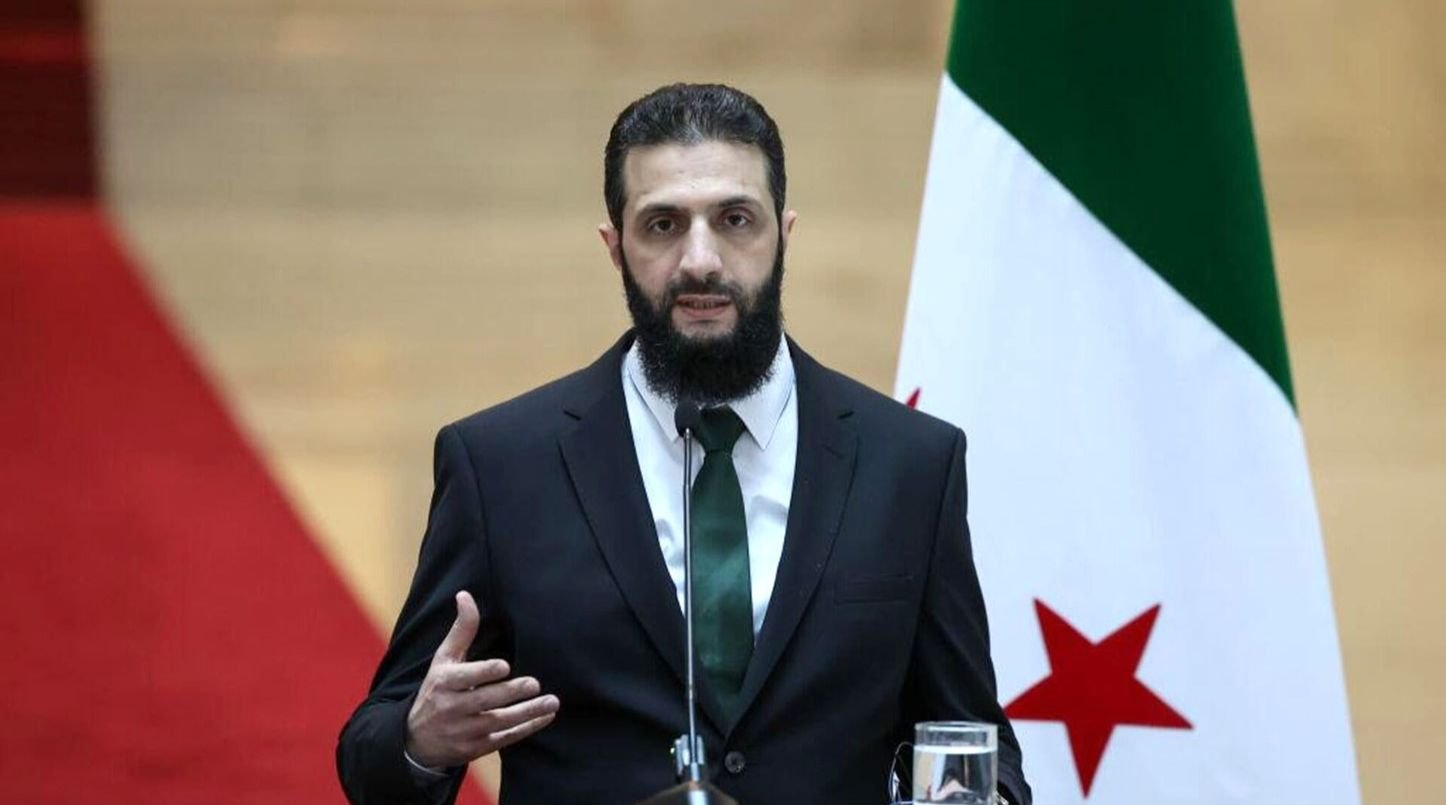
Washington-led resolution delists President Al-Sharaa with strong support, as China abstains; move paves way for White House meeting next week.
NEW YORK CITY – The United Nations Security Council voted overwhelmingly on Thursday to remove Syrian President Ahmad Al-Sharaa from its international terrorism blacklist, a landmark step toward rehabilitating Damascus on the world stage after the collapse of the Assad regime.
The resolution, spearheaded by the United States, secured 14 votes in favor with China abstaining. It also clears Interior Minister Anas Hasan Khattab from the Al-Qaeda and Daesh Sanctions List, lifting long-standing asset freezes and travel bans against both officials.
The decision grants formal international acknowledgment to Syria’s new political leadership, which came to power after a military campaign led by Al-Sharaa’s Hayat Tahrir Al-Sham toppled President Bashar al-Assad in December 2024.
The diplomatic move comes just days before Al-Sharaa is scheduled to meet with US President Donald Trump at the White House, following his appearance at the COP30 climate summit in Brazil — a clear signal of his government’s rapidly shifting status.
US Ambassador Mike Waltz hailed the vote as a turning point, stating the Council had “sent a strong political signal that recognizes Syria has entered a new chapter.” He outlined Washington’s expectations that the new Syrian leadership would deliver on promises related to counterterrorism, humanitarian access, and political inclusivity.
“There is a new Syrian government in place, and it is working to meet its commitments,” Waltz said. “As President Trump has said, this is Syria’s chance at greatness.”
The resolution invokes Chapter VII authority and endorses a series of Syrian government pledges, including ensuring humanitarian access, dismantling terrorist networks, clearing chemical weapon remnants, and advancing a homegrown political process.
Al-Sharaa had been under UN sanctions since 2014 due to his group’s former ties to Al-Qaeda. His removal from the list — following the US’s own easing of sanctions in May — marks one of the most significant diplomatic shifts concerning Syria in over a decade.
Diplomatic sources described the decision as both a recognition of realities on the ground and a strategic effort to encourage Damascus’s cooperation on security and governance reforms.
