
Investment bank projects gold at $4,900, oil in the $50s as structural shifts reshape global commodity markets.
Goldman Sachs has made one of its most decisive commodity forecasts in years: expect metals to surge and energy to fall sharply in 2026. In a report led by commodities strategist Daan Struyven, the bank laid out a clear investment case—buy gold and copper, and sell oil and certain battery metals.
The outlook hinges on two contrasting global forces: the “Power Race” and “Supply Waves.” The Power Race refers to strategic competition between the U.S. and China, driving demand for metals used in AI infrastructure, defense, and electrification. Supply Waves reflect a coming glut in energy markets, where years of investment are now flooding the market with oil and natural gas just as demand slows.
Gold: The Cornerstone of the Call
Goldman describes gold as its single favorite long-term commodity and forecasts it reaching $4,900 an ounce by December 2026—a dramatic rise from current levels. The bank cites relentless central bank buying—projected at around 70 tonnes per month—as the key driver, alongside low retail participation and persistent geopolitical uncertainty.
Oil: Braced for a Supply Surge
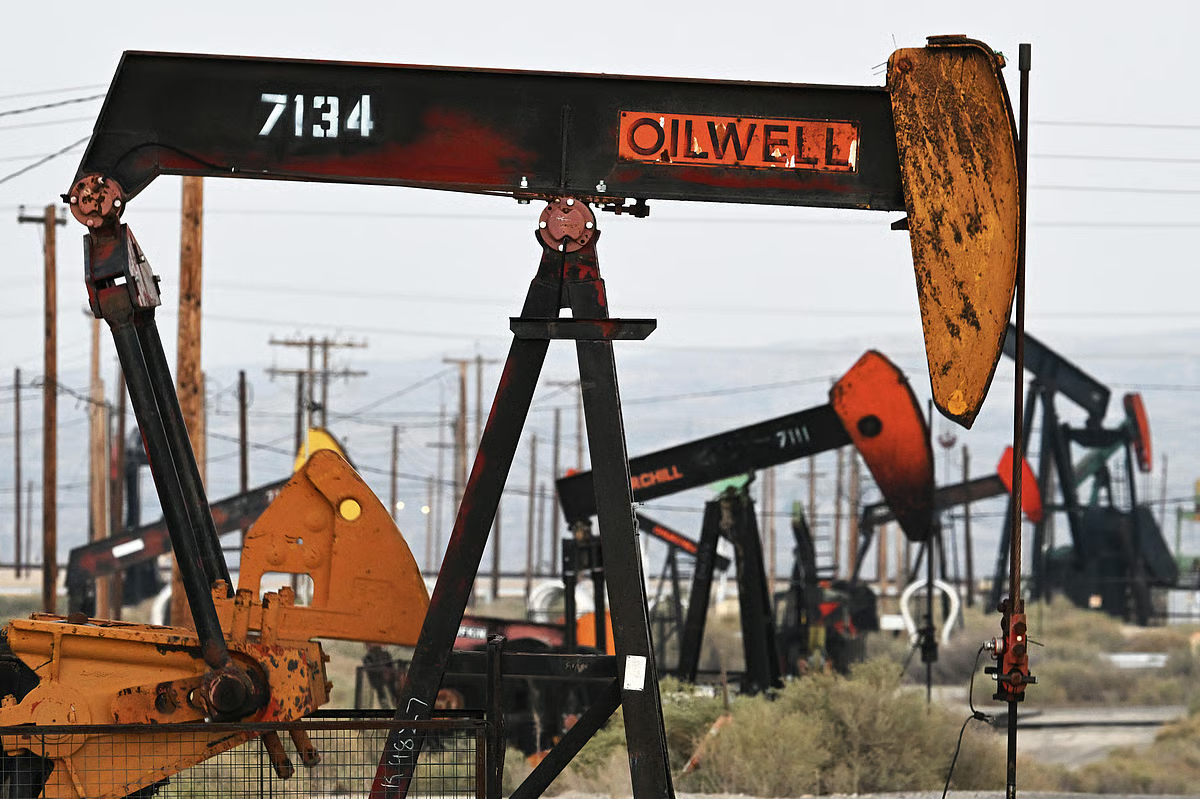
On the other side of the trade, the bank expects Brent crude to average just $56 a barrel next year, with WTI at about $52. Surging U.S. production and growing non-OPEC output, Goldman warns, could lead to significant oversupply unless OPEC+ enforces much deeper cuts or major geopolitical disruptions occur. The International Energy Agency has voiced similar concerns about surpluses later this decade.
Other Key Forecasts:
- Copper: Expected to consolidate around $11,400 a tonne but remains Goldman’s favorite industrial metal long-term due to electrification and data-center demand.
- Battery Metals: Goldman advises avoiding lithium and nickel, predicting lithium prices will fall another 25% as China-backed projects flood the market.
- Natural Gas: A global LNG glut will weigh on prices in Europe and Asia, but U.S. Henry Hub prices should stay supported by strong export demand.
The takeaway is clear: the era of broadly synchronized commodity moves is over. In 2026, investors should position for a great divergence—metals tied to strategic power, and energy awash in supply.
