
Historic deal integrating a quarter of the global economy opens India’s vast market, as both sides diversify alliances amidst global trade shifts.
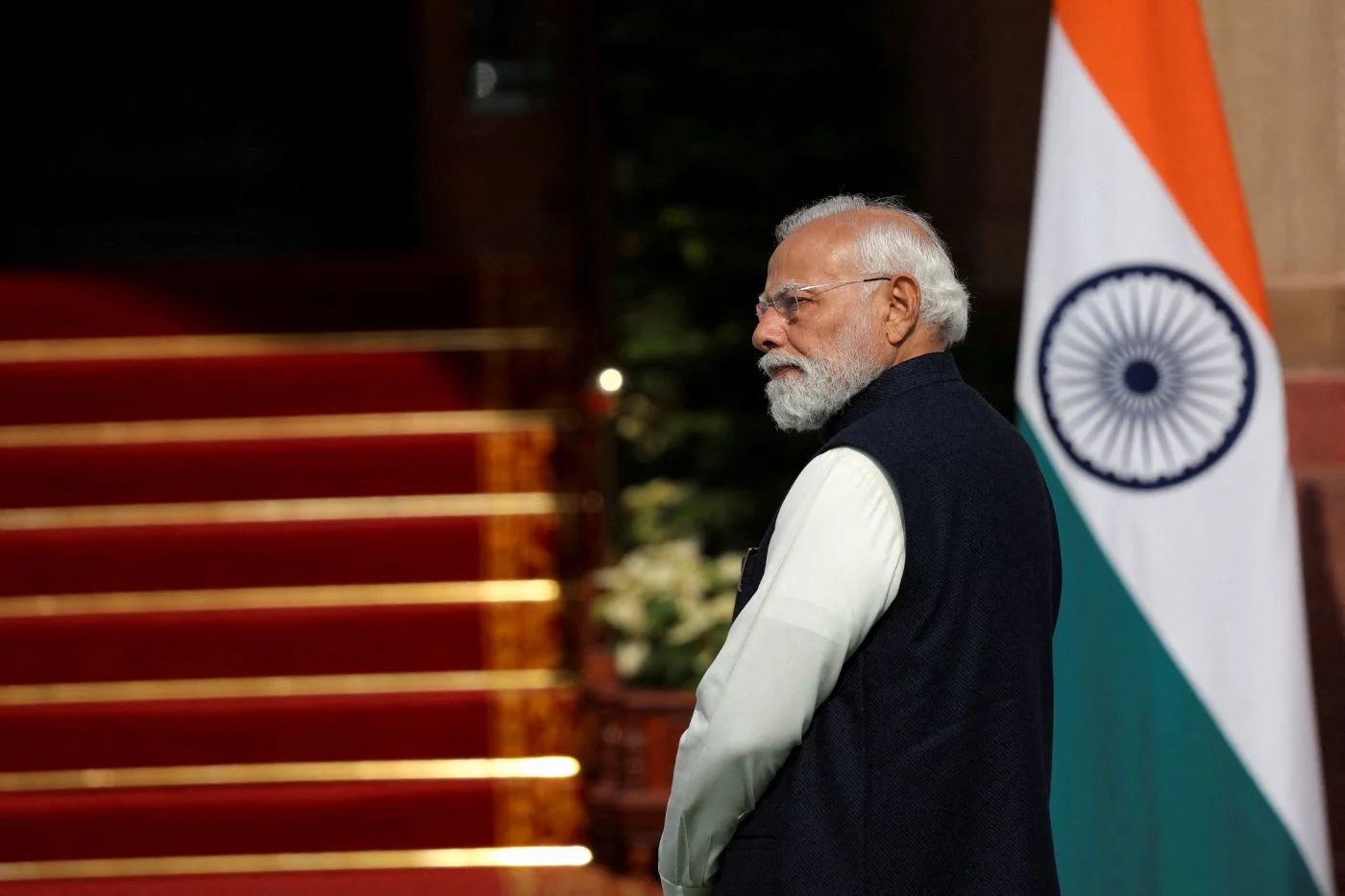
India and the European Union have concluded negotiations on a historic free trade agreement, a move announced by Prime Minister Narendra Modi on Tuesday that marks the end of nearly 20 years of intermittent talks. The pact bridges two economic giants, collectively representing a quarter of the world’s GDP.
The agreement is set to significantly lower barriers to India’s vast consumer market for the EU’s 27 member states, which is already India’s largest trading partner with bilateral commerce reaching $136.5 billion in the 2024-25 fiscal year. The breakthrough signals a strategic reorientation for both powers, seeking reliable economic partnerships in an era of geopolitical flux.
This landmark accord arrives amidst a flurry of global trade realignments. It follows closely on the EU’s recent deal with the South American Mercosur bloc and India’s own successful pacts with the United Kingdom, New Zealand, and Oman over the past year.
Analysts view this surge in agreements as a direct response to increasing trade uncertainties centered on the United States. The administration of President Donald Trump has strained traditional alliances, notably imposing 50% tariffs on Indian goods last year, which led to the collapse of a separate India-U.S. trade deal.
“This partnership is a testament to a shared commitment to open, rules-based trade,” a senior Indian official commented. “It provides much-needed stability and predictability for businesses on both sides.”
The formal signing of the agreement is pending a final legal review, expected to take five to six months. Officials project the deal will be fully implemented within a year, promising enhanced access for European machinery, pharmaceuticals, and automobiles, and for Indian services, textiles, and agricultural products.
