
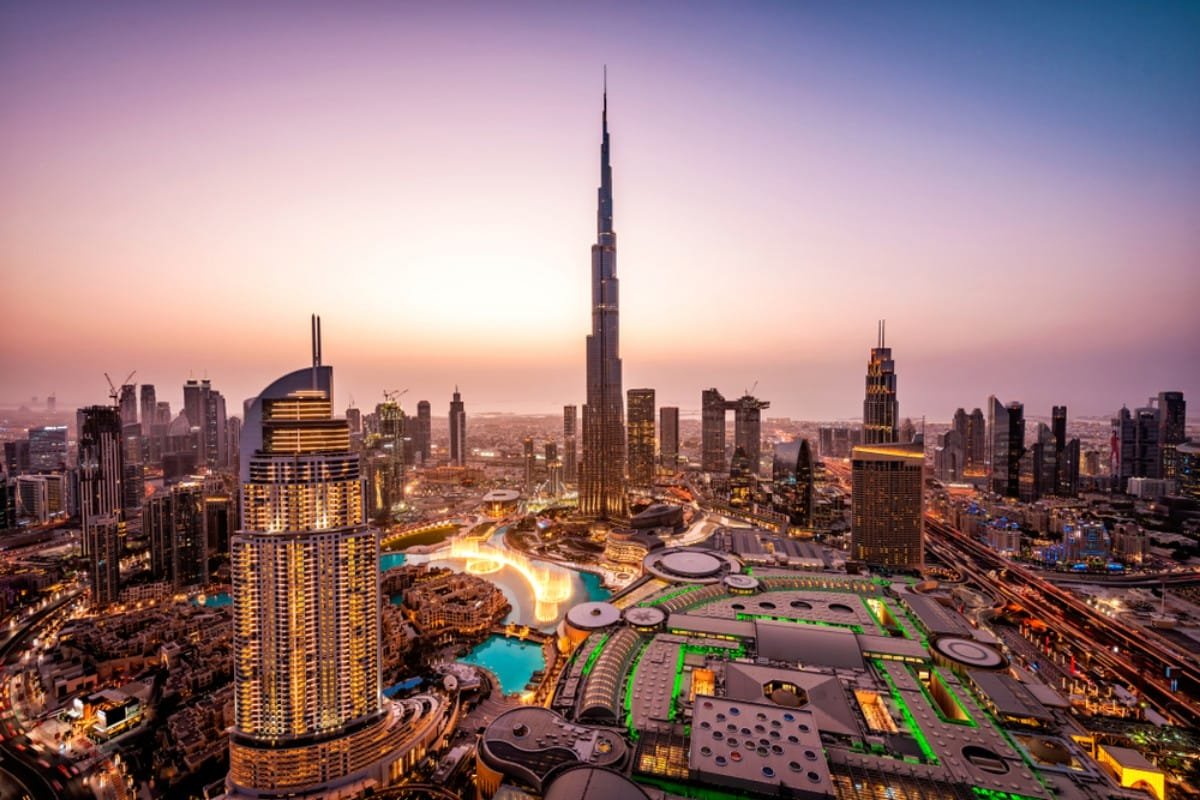
S&P Global report credits fiscal reforms and economic diversification for strengthening Gulf sovereign ratings amid persistent geopolitical headwinds.
A new S&P Global report projects sustained economic growth across the Middle East in 2026, with the United Arab Emirates leading regional expansion through robust non-oil sector performance.
The UAE’s real GDP is forecast to grow by 4.7% next year, with approximately 75% of this growth originating from non-hydrocarbon sectors. This momentum stems from Dubai’s dynamic private sector, Abu Dhabi’s substantial infrastructure investments, and expanding tourism projects across the northern emirates.
“The UAE’s consolidated fiscal position is expected to maintain a surplus of 2.3% of GDP alongside a double-digit current account surplus,” the report states, aligning with the nation’s AA/Stable sovereign credit rating.
Regional Resilience Through Diversification
Middle Eastern economies demonstrate increased stability despite lower oil prices and ongoing geopolitical tensions. S&P projects regional GDP growth of 3.5% for 2026, supported by heightened hydrocarbon production, strengthened non-oil economies in Gulf Cooperation Council nations, and Qatar’s expanding LNG capacity.
“The region’s average sovereign credit rating has improved notably over the past two years,” analysts noted, attributing this enhancement to structural reforms including value-added taxation, corporate tax implementation, and more transparent fiscal policies.
Diverging Fiscal Landscapes
While most Gulf states have significantly reduced their fiscal breakeven oil prices, vulnerability persists in some markets. Bahrain and Oman remain sensitive to prolonged low oil prices, though Oman’s reform agenda has substantially improved its fiscal trajectory.
Kuwait presents a contrasting picture, with a projected 9% fiscal deficit offset by sovereign assets exceeding 500% of GDP—among the world’s largest buffers against economic shocks.
Geopolitical Risks and Financial Stability
The report acknowledges elevated regional tensions but suggests Gulf financial systems have historically demonstrated shock absorption capacity. “Our baseline scenario doesn’t anticipate full-scale regional conflict,” S&P noted, while identifying Bahrain, Saudi Arabia, and Qatar as potentially vulnerable during periods of heightened uncertainty due to external financing exposures.
Diversification Challenges Persist
Foreign direct investment remains constrained by geopolitical perceptions, particularly affecting Saudi Arabia’s Vision 2030 implementation. Despite narrowing its fiscal deficit to an expected 4% of GDP in 2026, Saudi Arabia faces mounting financing costs with interest expenses more than doubling since 2019.
“The region enters 2026 better positioned to withstand shocks than in previous cycles,” the report concludes, highlighting expanded sovereign wealth funds, adaptable fiscal frameworks, and continuous structural reforms as key resilience factors.
