
AlUla to host FEI World Championship as racing leaders highlight role of horses in driving tourism, jobs, and economic diversification
Saudi Arabia’s Vision 2030 giga-projects are increasingly placing equestrianism at the core of their development strategies, with horses emerging as a key driver of economic diversification, tourism, and community building, leaders revealed at the 41st Asian Racing Conference (ARC) in Riyadh.
Speaking during a panel session hosted by the Jockey Club of Saudi Arabia, executives from Qiddiya and AlUla outlined ambitious plans that place horseracing and equestrian sports alongside the Kingdom’s high-profile investments in golf, tennis, and football.
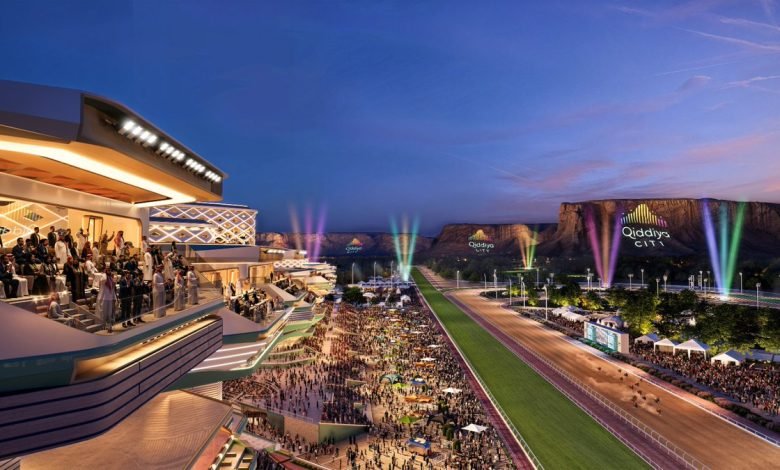
The session coincided with the announcement of a new racetrack at Qiddiya, the vast entertainment and tourism destination on the outskirts of Riyadh, which is set to become the permanent home of The Saudi Cup.
Marc Hewett, Executive Director and Head of Racecourse at Qiddiya Investment Co., said the project is built around far more than sport.
“These developments are based around core residential, education, and retail projects,” Hewett said. “We’re embracing the power of play. Qiddiya will be home to 500,000 residents and support 200,000 jobs across tourism, hospitality, education, sports, and entertainment.”
In AlUla, the horse is being positioned as both a cultural anchor and an economic asset. The ancient oasis city is preparing to host an FEI World Championship event later this year—a milestone that Tim Hadaway, Equestrian Development Executive Director at AlUla, said reflects the sector’s strategic importance.
“The horse is one of the key strategic pillars of the project, part of Vision 2030 to drive economic development and diversity, as well as the development of tourism, to showcase this part of the Kingdom to the world,” Hadaway said.
He also highlighted growing collaboration between Saudi Arabia’s various equestrian developments, describing a coordinated push to build a unified national ecosystem.
“We’re working together, looking at what the ecosystem needs across the Kingdom, and finding that really strong infrastructure to help the Kingdom succeed on the international stage.”
While Saudi Arabia’s sports diversification strategy has drawn global attention through high-profile acquisitions in football, golf, and tennis, panelists stressed that horseracing—rooted deeply in the Kingdom’s heritage—holds unique potential to bridge cultural identity and economic ambition.
The 41st Asian Racing Conference, organized by the Asian Racing Federation, continues in Riyadh through the week, bringing together industry leaders and stakeholders from the global racing community.
