Close Menu
    What's Hot

    Iran's strike on Israel suggests the regime's sense of resilience is growingIran's decision to risk jeopardising peace talks may reflect how its leaders view their current position, writes BBC Persian editor Amir Azimi.1 hr agoMiddle East

    June 8, 2026

    Trump abruptly ends NBC interview after clash over 'rigged election' claimDuring the interview, the president was repeatedly challenged on several points by the show's presenter Kristen Welker.19 hrs agoUS & Canada

    June 8, 2026

    John Lithgow and Lesley Manville lead Tony Award winnersA revival of Arthur Miller's Death of a Salesman was the night's big winner with six awards overall.5 hrs agoCulture

    June 8, 2026
    Facebook X (Twitter) Instagram
    • Politics
    • Economy
    Facebook X (Twitter) Instagram
    Gulf News Week
    Subscribe
    Monday, June 8
    • Home
    • Politics
      • Europe
      • Middle East
      • Russia
      • Social
      • Ukraine Conflict
      • US Politics
      • World
    • Region
      • Middle East News
    • World
    • Economy
      • Banking
      • Business
      • Markets
    • Real Estate
    • Science & Tech
      • AI & Tech
      • Climate
      • Computing
      • Science
      • Space Science
      • Tech
    • Sports

      Dominant PSG put Liverpool on the brink with 2-0 Champions League quarter-final first-leg win

      April 9, 2026

      Dubai Basketball U-18 Elite Crowned Basket Cup Sarajevo 2026 Champions in Historic Debut

      April 6, 2026

      Saudi boxing crowns 20 champions as Kingdom’s Elite Belt concludes in Riyadh

      April 4, 2026

      “He Signed for a Real Fight”: Pacquiao Contradicts Mayweather Over Rematch Status

      April 3, 2026

      Arsenal Hold Off Chelsea Fightback to Reach Women’s Champions League Semi-Finals

      April 2, 2026
    • Health
    • Travel
    • Contact
    Gulf News Week
    Home»Editor's Choice»UAE leads Gulf logistics shift as GCC rail project reaches 50% completion
    Editor's Choice

    UAE leads Gulf logistics shift as GCC rail project reaches 50% completion

    Dr Issac PJBy Dr Issac PJJune 8, 2026Updated:June 8, 2026No Comments5 Mins Read
    Share Facebook Twitter Pinterest Copy Link LinkedIn Tumblr Email VKontakte Telegram
    UAE leads Gulf logistics shift as GCC rail project reaches 50% completion
    Share
    Facebook Twitter Pinterest Email Copy Link

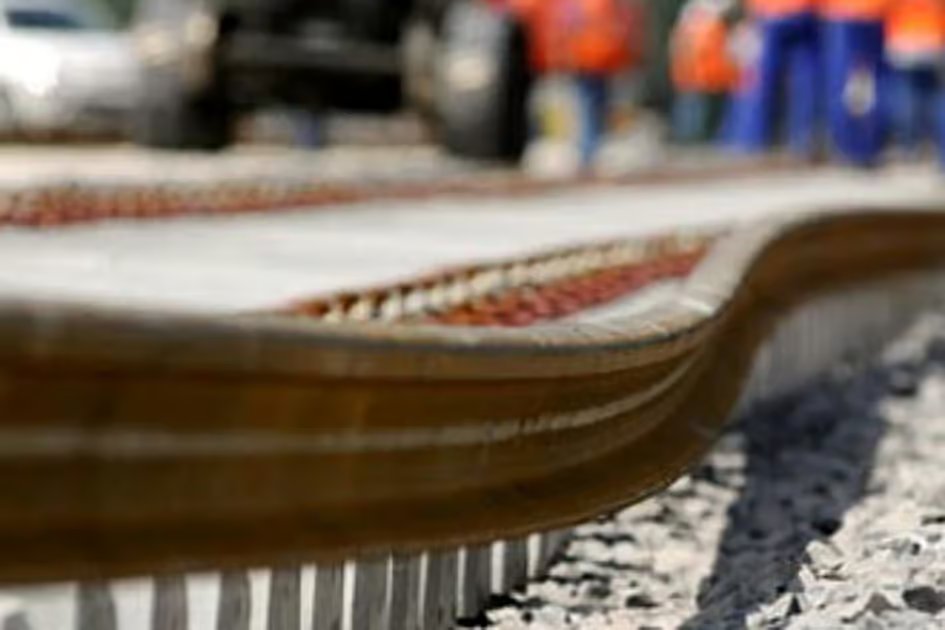
    The Gulf’s long-awaited railway network is rapidly evolving from an economic integration project into a strategic necessity, as regional governments accelerate investments in rail infrastructure to strengthen supply-chain resilience, reduce reliance on maritime chokepoints and safeguard trade flows amid continuing geopolitical tensions in the Middle East.

    A new report by PwC Middle East shows the landmark GCC Railway project has reached approximately 50 per cent completion, with full operations targeted by 2030. Spanning more than 2,100km across six Gulf states, the network is expected to become one of the region’s most transformative infrastructure projects, reinforcing trade connectivity, economic diversification and logistics security.

    The renewed focus on rail comes as the Gulf faces one of its most challenging geopolitical environments in recent years. Tensions surrounding the Strait of Hormuz — through which nearly 20 per cent of global oil supplies and a significant share of regional trade pass every day — have highlighted the vulnerability of traditional shipping routes and underscored the importance of developing alternative transport corridors.

    Against this backdrop, the UAE is emerging as the focal point of a broader regional logistics transformation.

    “The situation highlights the extent to which resilience has become an economic priority across the GCC,” said Richard Boxshall, Partner and Chief Economist at PwC Middle East.

    While the International Monetary Fund projects GCC economic growth to slow to 1.8 per cent in 2026 from an earlier forecast of 4.4 per cent, policymakers increasingly view infrastructure investment as a critical tool for sustaining long-term growth and strengthening economic competitiveness.

    At the heart of the UAE’s strategy is Etihad Rail, the country’s national railway developer and operator, which has emerged as a cornerstone of the nation’s ambition to become one of the world’s leading logistics and trade hubs.

    Its 900km freight network, operational since 2023, now connects key industrial centres, ports, logistics zones and manufacturing clusters across all seven emirates. The railway currently links four major ports and seven logistics hubs, facilitating the transport of aggregates, sulphur, petrochemicals, construction materials, food commodities and containerised cargo.

    Etihad Rail’s role has become increasingly evident amid recent regional supply chain disruptions. The company reported transporting more than 459,000 tonnes of cargo and nearly 7,900 containers in just nine days during periods of heightened logistical pressure, demonstrating rail’s growing importance as a reliable alternative to road and maritime transport.

    The operator’s freight fleet has expanded to more than 1,000 wagons, with annual cargo capacity projected to reach nearly 60 million tonnes by 2030. Officials estimate the network will eventually remove millions of truck journeys from UAE roads and help reduce carbon emissions by more than 8 million tonnes annually by 2050, supporting the country’s Net Zero 2050 strategy.

    A major milestone in regional connectivity is the Hafeet Rail project, the first cross-border railway linking the UAE and Oman. The 238km line connecting Sohar Port to Abu Dhabi via Al Ain is advancing rapidly, with construction intensifying across multiple sections.

    Once completed, the project will cut freight transit times between the two countries, improve supply chain efficiency, and strengthen trade relations between two of the Gulf’s most important logistics hubs. Bilateral non-oil trade between the UAE and Oman exceeded Dh56 billion in recent years, and officials expect rail connectivity to unlock significant additional growth.

    The UAE is simultaneously strengthening other strategic transport assets. PwC highlighted the growing importance of the 380km Habshan-Fujairah pipeline, which allows Abu Dhabi crude exports to bypass the Strait of Hormuz entirely. The pipeline currently transports approximately 1.5 million barrels per day and remains a vital component of the country’s energy security strategy.

    Saudi Arabia is pursuing a similar resilience agenda. The Kingdom has expanded rail cargo services, increased freight train frequencies and strengthened multimodal logistics links connecting the Gulf’s eastern and western coasts. The Saudi Landbridge project and continued expansion of the North-South Railway are expected to further enhance regional freight mobility over the coming years.

    The broader GCC Railway network will eventually connect Kuwait, Saudi Arabia, Bahrain, Qatar, the UAE and Oman through an integrated freight and passenger system. Beyond facilitating trade, economists believe the project could significantly lower transportation costs, improve labour mobility and stimulate investment across sectors ranging from manufacturing and tourism to logistics and real estate.

      For the UAE, passenger rail services are now moving closer to reality. Etihad Rail has confirmed plans to launch passenger operations linking Abu Dhabi, Dubai, Sharjah and Fujairah before expanding to 11 cities and regions nationwide. The service is expected to transform domestic travel by significantly reducing journey times and supporting economic activity between major urban centres.

    Analysts increasingly view the GCC rail programme as one of the most consequential economic integration initiatives since the formation of the Gulf Cooperation Council more than four decades ago. What began as a transport project is now emerging as a strategic economic safeguard, helping Gulf economies build resilience against geopolitical disruptions while creating a more interconnected and diversified regional economy.

       As global trade routes become increasingly exposed to geopolitical risks, the UAE’s expanding rail ecosystem is positioning the country at the centre of a new Gulf logistics architecture—one designed not only for efficiency, but also for resilience, sustainability and long-term economic growth.

    Share. Facebook Twitter Pinterest LinkedIn Tumblr Email Telegram Copy Link
    Dr Issac PJ

    Related Posts

    Featured

    ‘We would have been forced to leave’: Abu Dhabi tenants relieved by rent freeze

    June 8, 2026
    News Highlights

    KHDA expands Dubai education councils to include parents, educators

    June 8, 2026
    Featured

    Israel hits Iran petrochemical plant in new strikes after Trump reprimand

    June 8, 2026
    News Highlights

    Delhi storm drags airport ground equipment, damages 3 Air India planes

    June 8, 2026
    Featured

    UAE announces Dh100,000 prizes, fee discounts for Emirates labour market award

    June 8, 2026
    News Highlights

    Over 3,200 Dubai residents become first-time homeowners in less than a year

    June 8, 2026
    Add A Comment
    Leave A Reply Cancel Reply

    Editors Picks

    Iran's strike on Israel suggests the regime's sense of resilience is growingIran's decision to risk jeopardising peace talks may reflect how its leaders view their current position, writes BBC Persian editor Amir Azimi.1 hr agoMiddle East

    June 8, 2026

    Trump abruptly ends NBC interview after clash over 'rigged election' claimDuring the interview, the president was repeatedly challenged on several points by the show's presenter Kristen Welker.19 hrs agoUS & Canada

    June 8, 2026

    John Lithgow and Lesley Manville lead Tony Award winnersA revival of Arthur Miller's Death of a Salesman was the night's big winner with six awards overall.5 hrs agoCulture

    June 8, 2026

    USA 94: The World Cup that 'changed everything'The US was in a moment of cultural flux. Kurt Cobain had just died, Michael Jordan was playing minor league baseball – and then the ‘soccer’ World Cup arrived in the summer.

    June 8, 2026
    Latest Posts

    ‘We would have been forced to leave’: Abu Dhabi tenants relieved by rent freeze

    June 8, 2026

    KHDA expands Dubai education councils to include parents, educators

    June 8, 2026

    Israel hits Iran petrochemical plant in new strikes after Trump reprimand

    June 8, 2026

    Subscribe to News

    Get the latest sports news from NewsSite about world, sports and politics.

    Advertisement
    Demo
    Gulf News Week

    Your source for the serious news. This demo is crafted specifically to exhibit the use of the theme as a news site. Visit our main page for more demos.

    We're social. Connect with us:

    Facebook X (Twitter) Instagram Pinterest YouTube
    Latest Posts

    Iran's strike on Israel suggests the regime's sense of resilience is growingIran's decision to risk jeopardising peace talks may reflect how its leaders view their current position, writes BBC Persian editor Amir Azimi.1 hr agoMiddle East

    June 8, 2026

    Trump abruptly ends NBC interview after clash over 'rigged election' claimDuring the interview, the president was repeatedly challenged on several points by the show's presenter Kristen Welker.19 hrs agoUS & Canada

    June 8, 2026

    John Lithgow and Lesley Manville lead Tony Award winnersA revival of Arthur Miller's Death of a Salesman was the night's big winner with six awards overall.5 hrs agoCulture

    June 8, 2026

    Subscribe to Updates

    Get the latest creative news from FooBar about art, design and business.

    © 2026 Gulf News Week. Designed by HAM Digital Media.
    • Home
    • Politics
    • Economy
    • Sports

    Type above and press Enter to search. Press Esc to cancel.