
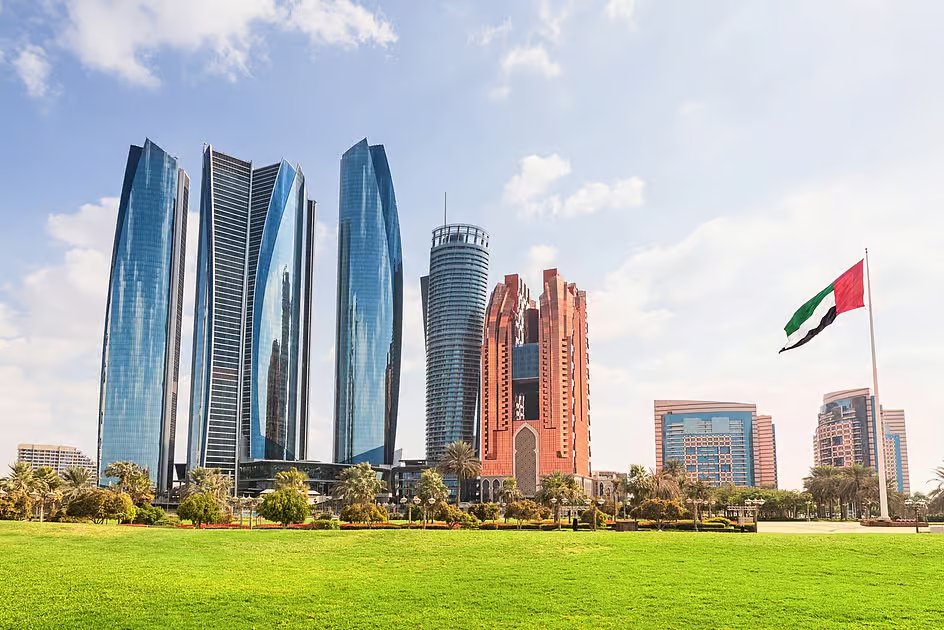
Abu Dhabi’s residential property market is regaining momentum after a brief period of uncertainty, with buyers and tenants returning to both ready and off-plan developments as strong economic fundamentals, regulatory reforms and sustained population growth continue to support demand.
New data from property portals Bayut and dubizzle shows a broad-based recovery in market activity during the first half of 2026, with property searches, buyer enquiries and agent engagement rebounding steadily across the emirate’s most sought-after residential communities.
According to the portals’ analysis of user activity between January and June, property views recovered to 95 per cent of their 2026 baseline by Week 14, while property impressions reached 83 per cent, active users climbed to 80 per cent and unique buyers recovered to 87 per cent. The figures point to a gradual return in buyer confidence despite the geopolitical volatility that briefly weighed on regional markets.
The recovery mirrors broader trends in Abu Dhabi’s real estate sector. Data from the Abu Dhabi Real Estate Centre (ADREC) shows the emirate has continued to attract domestic and international investors, supported by long-term residency initiatives, expanding freehold ownership opportunities, major infrastructure investments and a diversified non-oil economy.Analysts also note that population growth and job creation continue to underpin demand for quality housing across both the ownership and rental markets.
Bayut and dubizzle’s data also highlights the resilience of the brokerage community. Daily agent responses have risen to 102 per cent of the year’s baseline, indicating that real estate professionals have remained actively engaged with buyers and tenants throughout the recovery.
An artificial intelligence-led analysis of more than 7,000 property enquiry calls recorded through the platforms further underlined the market’s stability. Sales enquiries accounted for 54 per cent of all calls, while rentals represented 46 per cent, suggesting balanced demand across both segments.
The rental market has shown particularly strong momentum. Apartment communities including Masdar City, Al Reef, Al Raha Beach, Yas Island, Al Khalidiyah and Al Reem Island have returned close to or above pre-disruption demand levels, reflecting continued interest in waterfront developments, mixed-use destinations and well-connected residential districts.
Demand for villa rentals has also strengthened, led by Al Shamkha, Mohamed Bin Zayed City, Khalifa City, Al Reef and Yas Island. These communities continue to attract families seeking larger homes, established neighbourhoods and access to schools, healthcare and lifestyle amenities.
The recovery extends to the sales market. Among ready properties, apartments in Al Raha Beach, Yas Island, Saadiyat Island and Al Reem Island remained the preferred destinations for end-users and investors alike, while Al Shamkha, Al Reef and Khalifa City led demand for ready villas.
Interest in Abu Dhabi’s off-plan market has also remained robust despite global market uncertainty. Buyers continued to favour apartment projects in Masdar City, Zayed City, Yas Island, Al Reem Island, Al Maryah Island and Al Hudayriat Island, reflecting confidence in the emirate’s long-term urban development strategy. Premium villa destinations such as Ramhan Island, Yas Island and Saadiyat Island also attracted sustained investor attention.
Industry analysts say Abu Dhabi continues to benefit from a relatively balanced supply pipeline compared with some regional markets. According to global property consultancy Cavendish Maxwell, thousands of new residential units are scheduled for delivery over the next three years, but demand is expected to remain supported by population growth, expanding business activity and government-led economic diversification under Abu Dhabi’s Falcon Economy strategy.
Haider Khan, CEO of Bayut and dubizzle and CEO of Dubizzle Group Mena, said the market’s resilience reflects strong underlying fundamentals. “Abu Dhabi’s property market has continued to demonstrate resilience, supported by improving user activity and sustained demand for quality residential communities,” he said. He added that ADREC’s continued regulatory reforms, including the recently announced rent-freeze measures, have enhanced transparency and provided greater certainty for tenants, landlords and investors.
The latest findings suggest Abu Dhabi’s property market has moved beyond a short-term slowdown into a more measured phase of growth. While buyers have become more selective and value-conscious, demand remains healthy across established and emerging communities, reinforcing confidence that the emirate’s residential market is entering the second half of 2026 on a stronger footing.
