
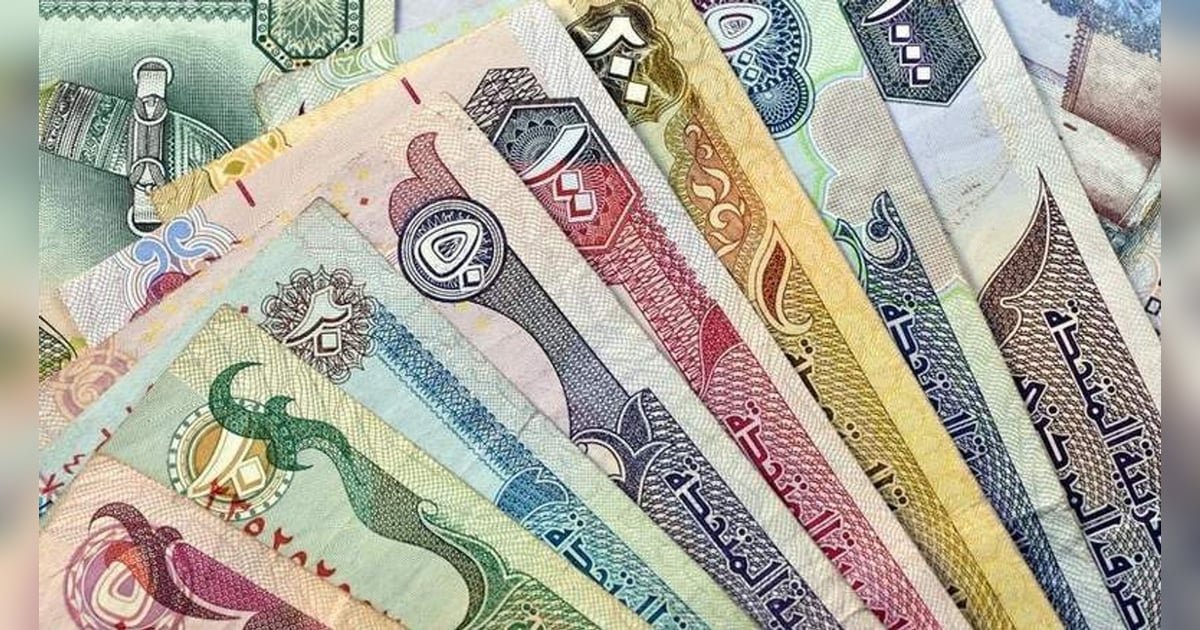
The global sukuk market is poised to maintain its resilience in 2025, with foreign currency-denominated issuance expected to range between $70 billion and $80 billion, according to the latest forecast by S&P Global Ratings.
Despite mounting geopolitical tensions, the agency believes that issuance activity will be shaped more by monetary policy shifts, domestic liquidity dynamics, and ongoing investments across key Islamic finance hubs, rather than political uncertainties.
Recommended For You
‘Will it make me less of a man?’: Vasectomy in UAE remains a stigma, say doctors
After the revolution, Bangladesh warms to China as India fumes
Up on Dakota Johnson’s list: Directing her first feature, avoiding ‘toxic sets’
iOS 26 Beta hints at major Apple Maps upgrade with AI integration
Scott Vincent seals emotional comeback win at International Series Morocco
Mohamed Damak, global head of Islamic finance at S&P Global Ratings, stated that while geopolitical developments remain on investors’ radars, the fundamental drivers of sukuk issuance continue to be economic in nature. “Our base case assumes that geopolitical risks will not significantly disrupt the market. Instead, factors such as interest rate trajectories, liquidity in domestic banking systems, and infrastructure-related investments in core markets like Saudi Arabia, the UAE, Malaysia, and Indonesia will be more influential,” he said.
While hard currency sukuk issuance remains stable, the local currency segment is expected to experience a decline in the second half of 2025. This trend reflects ongoing volatility in domestic debt markets and tighter monetary policies in several emerging economies. Nonetheless, S&P maintains that the sukuk structure remains a preferred financing instrument for many sovereign and corporate issuers across the Middle East and Southeast Asia due to its appeal to a broad base of Shariah-compliant investors.
Islamic finance industry experts say sukuk remain a vital conduit for ethical investing, offering a blend of religious compliance, competitive returns, and structural innovation. With stable foreign currency issuance forecasts and growing support from institutional investors, the sukuk market is well-positioned to navigate future economic headwinds while continuing to expand its global footprint.
Sukuk, or Islamic bonds, are financial certificates structured to comply with Shariah, which prohibits interest. These instruments have become an integral part of capital market strategies in Islamic finance jurisdictions, enabling sovereigns and corporates to tap into diversified pools of liquidity. In 2024, total global sukuk issuance amounted to approximately $160 billion, according to data from the Islamic Financial Services Board (IFSB), with foreign currency issuances accounting for nearly half of that figure.
The global Islamic finance industry, valued at over $3.25 trillion as of early 2025, continues to expand on the back of strong demand from institutional investors and governments seeking diversified funding sources. Within this ecosystem, sukuk serve not only as fundraising tools but also as investment-grade instruments aligned with ESG (environmental, social, and governance) principles. This dual functionality is drawing increased interest from global asset managers, particularly those operating in the Gulf Cooperation Council (GCC), Malaysia, and Turkey.
The sukuk insurance and reinsurance (takaful) segment is also showing signs of maturation, driven by rising demand for Shariah-compliant capital protection solutions. According to Fitch Ratings, the global takaful market surpassed $30 billion in gross written contributions in 2024 and is forecast to grow at a compound annual rate of around 10 per cent over the next five years. This growth is being propelled by regulatory modernization, digital transformation, and broader participation from multinational insurers entering Islamic finance markets.
Key markets such as Saudi Arabia and the UAE are leading this expansion, supported by national visions that prioritise Islamic finance as a pillar of economic diversification. Both countries are actively working to harmonise sukuk and takaful regulatory frameworks to attract international investors and facilitate cross-border transactions.
However, challenges remain. The Accounting and Auditing Organisation for Islamic Financial Institutions (AAOIFI) is currently reviewing its standards related to sukuk issuance. The Shariah board is in the process of amending a key standard, which could impact future structuring practices. The timeline for implementation and the scope of changes remain uncertain, introducing a degree of regulatory unpredictability into the market.
Despite these uncertainties, the long-term outlook for sukuk remains robust. Analysts at Moody’s and S&P agree that demand for sukuk will remain strong as issuers continue to seek Islamic-compliant funding instruments to finance large-scale infrastructure, renewable energy, and ESG-aligned projects.
Dubai, in particular, is positioning itself as a global hub for Islamic finance, leveraging its strategic location, business-friendly environment, and dedicated platforms like Nasdaq Dubai to attract sukuk listings. According to Dubai Financial Market (DFM) data, the emirate hosted over $80 billion in listed sukuk by mid-2025, solidifying its leadership in the segment.

 issacjohn@khaleejtimes.com