Close Menu
    What's Hot

    John Lithgow and Lesley Manville lead Tony Award winnersA revival of Arthur Miller's Death of a Salesman was the night's big winner with six awards overall.5 hrs agoCulture

    June 8, 2026

    USA 94: The World Cup that 'changed everything'The US was in a moment of cultural flux. Kurt Cobain had just died, Michael Jordan was playing minor league baseball – and then the ‘soccer’ World Cup arrived in the summer.

    June 8, 2026

    At least 32 dead after major earthquake strikes southern PhilippinesThe magnitude-7.8 quake triggered small tsunami waves in the Philippines, Indonesia and Japan.11 mins agoAsia

    June 8, 2026
    Facebook X (Twitter) Instagram
    • Politics
    • Economy
    Facebook X (Twitter) Instagram
    Gulf News Week
    Subscribe
    Monday, June 8
    • Home
    • Politics
      • Europe
      • Middle East
      • Russia
      • Social
      • Ukraine Conflict
      • US Politics
      • World
    • Region
      • Middle East News
    • World
    • Economy
      • Banking
      • Business
      • Markets
    • Real Estate
    • Science & Tech
      • AI & Tech
      • Climate
      • Computing
      • Science
      • Space Science
      • Tech
    • Sports

      Dominant PSG put Liverpool on the brink with 2-0 Champions League quarter-final first-leg win

      April 9, 2026

      Dubai Basketball U-18 Elite Crowned Basket Cup Sarajevo 2026 Champions in Historic Debut

      April 6, 2026

      Saudi boxing crowns 20 champions as Kingdom’s Elite Belt concludes in Riyadh

      April 4, 2026

      “He Signed for a Real Fight”: Pacquiao Contradicts Mayweather Over Rematch Status

      April 3, 2026

      Arsenal Hold Off Chelsea Fightback to Reach Women’s Champions League Semi-Finals

      April 2, 2026
    • Health
    • Travel
    • Contact
    Gulf News Week
    Home»Politics»Middle East»In Lebanon, everything and nothing has changed since 2000
    Middle East

    In Lebanon, everything and nothing has changed since 2000

    Gulf News WeekBy Gulf News WeekMay 25, 2026Updated:May 25, 2026No Comments5 Mins Read
    Share Facebook Twitter Pinterest Copy Link LinkedIn Tumblr Email VKontakte Telegram
    In Lebanon, everything and nothing has changed since 2000
    Share
    Facebook Twitter Pinterest Email Copy Link

    The weapons, the players and the stakes have transformed, yet the same unresolved question, Palestine, still drives the region to war.

    Twenty-six years ago this week, Israel was forced to end an 18-year occupation of south Lebanon. Much has changed since, yet Lebanon and Israel still cling to the very policies that dragged them into today’s war, a war that has engulfed Iran, drawn in the United States, and now threatens the global economy itself.

    Palestine remains the central issue reverberating across the region and the world. It is why Israel began attacking pro-Palestine forces in Lebanon in the 1970s, years before Hezbollah formed, and why that local conflict has widened ever since. Iran’s backing of Hezbollah after 1982 turned Lebanon into a front line between Iran and Israel; today, with the United States fighting alongside Israel, that front has grown into a regional war. At its heart stands Hezbollah, the central pillar of the Iran-anchored “Axis of Resistance” that opposes Israeli-American hegemony.

    Lebanon might seem like a sideshow in this regional and global frame. But it deserves greater scrutiny precisely because it was, and remains, the spark that expanded 78 years of Israel-Lebanon-Palestine friction into today’s regional war.

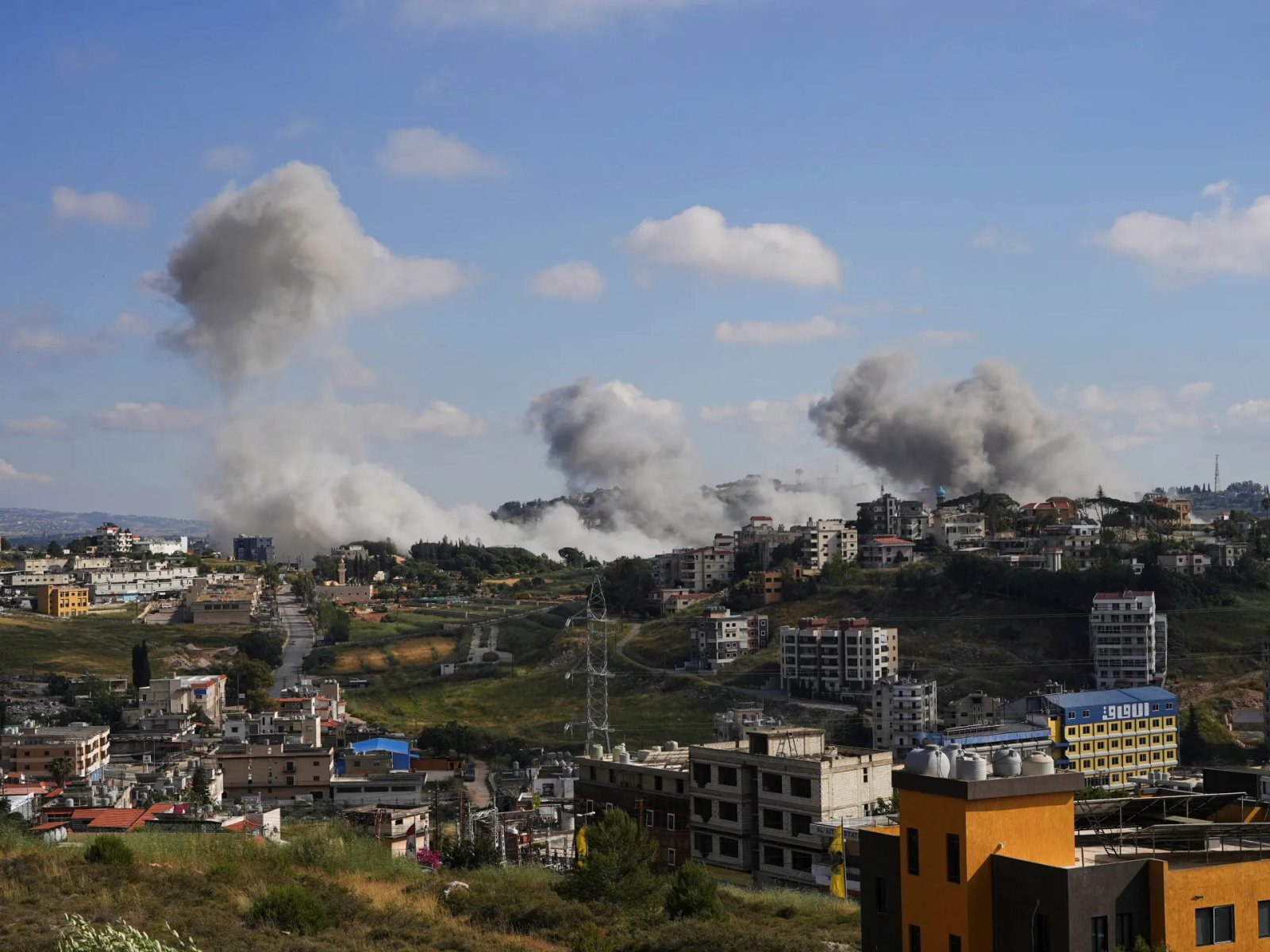
    Much has changed in Lebanon since 2000. Advanced missile, drone and radar technology now shapes the balance of power, above all Iran and Hezbollah’s growing ability often to evade US-Israeli air defences. Lebanon’s economy has been shattered, its people driven from their homes again and again, and Israel has devastated towns and villages across the south, unleashing the doctrine of urban annihilation it forged in Beirut’s Dahiyeh in 2006, and subsequently applied in Gaza. Hezbollah was hit hard, but has been reborn as a leaner, more agile force that once again thwarts Israel’s drive to subdue Lebanon, or carve out another permanent security zone inside it.

    Advertisement

    The regional picture has shifted too. Syria’s role as Hezbollah’s link to Iran has collapsed, and Iran itself was damaged by the US-Israeli assault. Yet Tehran seems determined to see Lebanon covered by any regional deal that ends the war. The United States has openly sided with Israel, pressuring President Joseph Aoun and Prime Minister Nawaf Salam to “disarm” Hezbollah and remove a lingering threat to Israel, or else possibly face more Gaza-style destruction across Lebanon. Other powers, including China, Saudi Arabia, Türkiye, Pakistan and Russia, have pressed in different ways to end the war on Iran and restore calm and Lebanese sovereignty.

    In the midst of this political whirlwind, several conditions from the pre-2000 era still prevail in Lebanon. The population remains split over Hezbollah’s role as an armed movement offering the only impactful resistance to Israel. The government seems unable to act, politically or militarily, for lack of funds, domestic consensus or military clout. At times it bends to Israeli or American pressure: “disarming” already marginalised Palestinian camps, or meeting Israeli officials in Washington under the aegis of Washington’s pro-Israel bias.

    Washington has also tied financial support for Lebanon’s reconstruction to Beirut’s compliance with US-Israeli terms. Its pro-Israel bias is clear in its readiness to ignore Israeli violations of the last two ceasefires, and in formally backing Israel’s right to attack any Lebanese it deems a threat, while denying Lebanese threatened by Israel the same right.

    The Lebanese government also feels the pressure of a disgruntled, deeply impoverished population, exasperated by relentless Israeli attacks that, in 2026 alone, have killed more than 3,000 people, forcibly displaced 1.2 million and devastated dozens of villages and small towns. It justifies its talks with Israel as an attempt to offset its military disadvantage, using US pressure to stop the attacks and let Beirut re-establish sovereign control over all its land.

    Hovering above these old and new dynamics is a historic reality: Iran and Hezbollah, with support from allies abroad, absorbed the devastating Israeli-American assault and twice forced their far more powerful, nuclear-armed adversaries to accept a ceasefire and negotiate anew, first over Iran in early April, then over Lebanon days later. The Lebanon truce is now meant to fold into the wider US-Iran settlement. Both ceasefires seem to herald weakened US-Israeli positions in the region, deep political blows to Israeli Prime Minister Benjamin Netanyahu, and new diplomatic leverage for Iran, Hezbollah and their allies.

    What lesson might we draw from all this? Perhaps that military power, however savage or genocidal, cannot forever dictate realities across the Middle East. Buffer and “security” zones, new Israeli settlements, local pro-Israel accomplices, military outposts, relentless air strikes, the whole US-backed Israeli playbook, may all be consigned to the past if current trends hold.

    How a new diplomatic balance will emerge in Lebanon remains to be seen. But Iran and Hezbollah, having survived their “existential” battles and now pressing for permanent ceasefires, could weaken Israeli postures and help reshape Lebanon’s internal dynamics. Ideally this could prod Hezbollah, the Beirut government and all Lebanese to settle, once and for all, on a serious long-term approach to mutually beneficial relations with an Israel that fully respects Lebanese sovereignty.

    Were that to happen, it would press all sides to resolve, fairly, the central issue they have ignored for 78 years and that has fuelled permanent war: Palestinian rights. Only mature and decisive diplomacy, alongside legitimate defence strategies, will determine whether current trends lead to that desired outcome.

    The views expressed in this article are the author’s own and do not necessarily reflect media’s editorial stance.

    Hezbollah Israel Israel attacks Lebanon Lebanon Middle East Opinions United States US & Canada
    Share. Facebook Twitter Pinterest LinkedIn Tumblr Email Telegram Copy Link
    Gulf News Week

    Related Posts

    Most Viewed News

    John Lithgow and Lesley Manville lead Tony Award winnersA revival of Arthur Miller's Death of a Salesman was the night's big winner with six awards overall.5 hrs agoCulture

    June 8, 2026
    Most Viewed News

    USA 94: The World Cup that 'changed everything'The US was in a moment of cultural flux. Kurt Cobain had just died, Michael Jordan was playing minor league baseball – and then the ‘soccer’ World Cup arrived in the summer.

    June 8, 2026
    Most Viewed News

    At least 32 dead after major earthquake strikes southern PhilippinesThe magnitude-7.8 quake triggered small tsunami waves in the Philippines, Indonesia and Japan.11 mins agoAsia

    June 8, 2026
    Most Viewed News

    Eriksen 'in good spirits' after collapseChristian Eriksen is "in good spirits" following his collapse against Ukraine and is expected to be discharged from hospital soon, says Denmark's national team doctor Morten Boesen.2 hrs agoDenmark

    June 8, 2026
    Editor's Choice

    UAE leads Gulf logistics shift as GCC rail project reaches 50% completion

    June 8, 2026
    Most Viewed News

    Armenia's pro-West government wins election despite Russian pressurePrime Minister Nikol Pashinyan's Civil Contract Party secures nearly 50% of the vote, comfortably beating the other contenders.44 mins agoWorld

    June 8, 2026
    Add A Comment

    Comments are closed.

    Editors Picks

    John Lithgow and Lesley Manville lead Tony Award winnersA revival of Arthur Miller's Death of a Salesman was the night's big winner with six awards overall.5 hrs agoCulture

    June 8, 2026

    USA 94: The World Cup that 'changed everything'The US was in a moment of cultural flux. Kurt Cobain had just died, Michael Jordan was playing minor league baseball – and then the ‘soccer’ World Cup arrived in the summer.

    June 8, 2026

    At least 32 dead after major earthquake strikes southern PhilippinesThe magnitude-7.8 quake triggered small tsunami waves in the Philippines, Indonesia and Japan.11 mins agoAsia

    June 8, 2026

    Eriksen 'in good spirits' after collapseChristian Eriksen is "in good spirits" following his collapse against Ukraine and is expected to be discharged from hospital soon, says Denmark's national team doctor Morten Boesen.2 hrs agoDenmark

    June 8, 2026
    Latest Posts

    John Lithgow and Lesley Manville lead Tony Award winnersA revival of Arthur Miller's Death of a Salesman was the night's big winner with six awards overall.5 hrs agoCulture

    June 8, 2026

    USA 94: The World Cup that 'changed everything'The US was in a moment of cultural flux. Kurt Cobain had just died, Michael Jordan was playing minor league baseball – and then the ‘soccer’ World Cup arrived in the summer.

    June 8, 2026

    At least 32 dead after major earthquake strikes southern PhilippinesThe magnitude-7.8 quake triggered small tsunami waves in the Philippines, Indonesia and Japan.11 mins agoAsia

    June 8, 2026

    Subscribe to News

    Get the latest sports news from NewsSite about world, sports and politics.

    Advertisement
    Demo
    Gulf News Week

    Your source for the serious news. This demo is crafted specifically to exhibit the use of the theme as a news site. Visit our main page for more demos.

    We're social. Connect with us:

    Facebook X (Twitter) Instagram Pinterest YouTube
    Latest Posts

    John Lithgow and Lesley Manville lead Tony Award winnersA revival of Arthur Miller's Death of a Salesman was the night's big winner with six awards overall.5 hrs agoCulture

    June 8, 2026

    USA 94: The World Cup that 'changed everything'The US was in a moment of cultural flux. Kurt Cobain had just died, Michael Jordan was playing minor league baseball – and then the ‘soccer’ World Cup arrived in the summer.

    June 8, 2026

    At least 32 dead after major earthquake strikes southern PhilippinesThe magnitude-7.8 quake triggered small tsunami waves in the Philippines, Indonesia and Japan.11 mins agoAsia

    June 8, 2026

    Subscribe to Updates

    Get the latest creative news from FooBar about art, design and business.

    © 2026 Gulf News Week. Designed by HAM Digital Media.
    • Home
    • Politics
    • Economy
    • Sports

    Type above and press Enter to search. Press Esc to cancel.