
Amid sanctions and threats of retaliation, Oman-hosted dialogue marks first diplomatic contact in over a year, with deep divides over scope of negotiations.
SHARJAH — Iranian Foreign Minister Abbas Araghchi struck a defiant tone on Saturday, declaring the country’s ballistic missile program “never negotiable” even as he confirmed that indirect talks with the United States would resume soon.
The negotiations, held in Oman on Friday, were the first diplomatic encounter between the two adversaries since the collapse of nuclear talks and a subsequent regional war last year. Araghchi described the atmosphere as “very positive” and confirmed there was an informal opportunity to “shake hands with the American delegation,” led by U.S. envoy Steve Witkoff and senior advisor Jared Kushner.
Despite this cautious opening, fundamental disagreements were immediately laid bare. Washington, backed by Israel, seeks to expand the agenda to include Iran’s missile development and support for regional militant groups. Tehran rejects this outright, insisting discussions must be limited to nuclear issues.
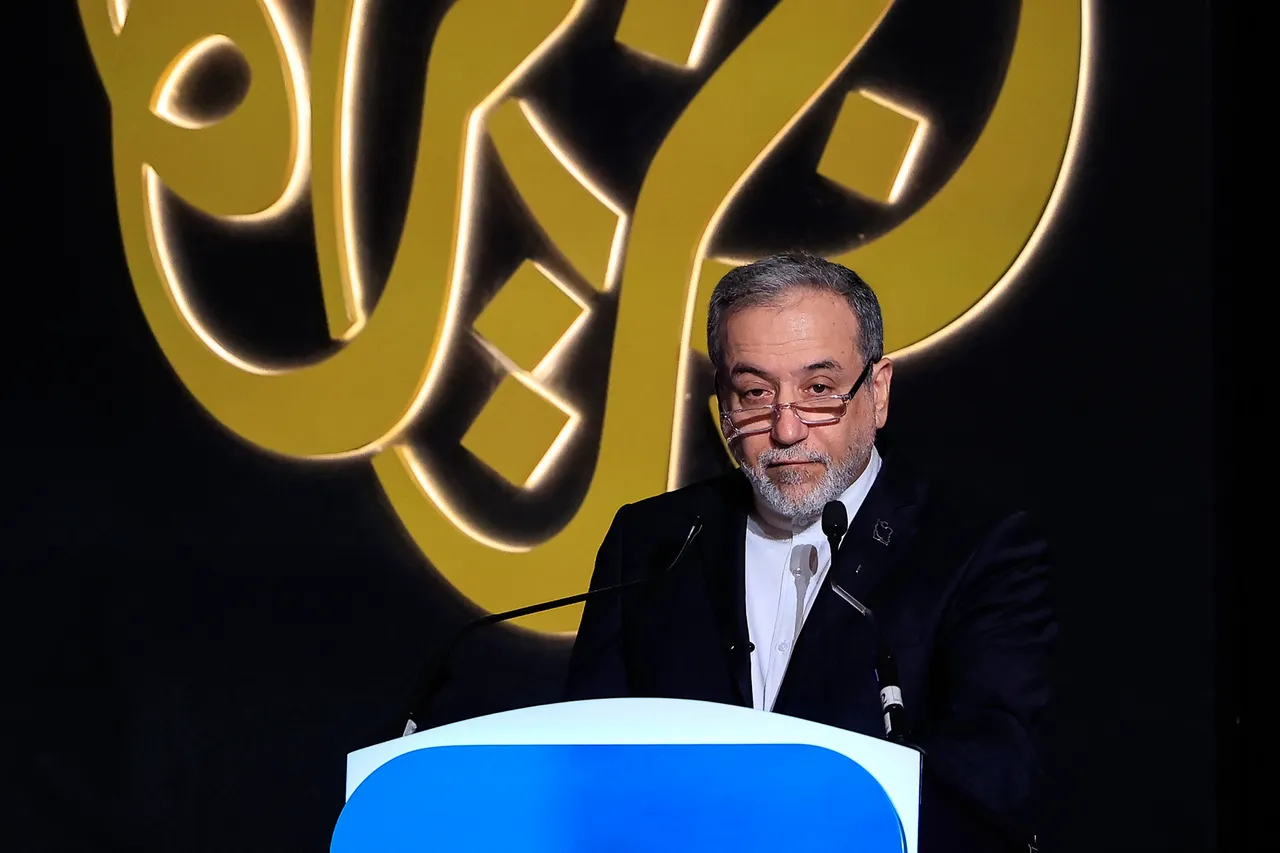
“Our missile program is related to a defense issue and is never negotiable,” Araghchi stated in an Al Jazeera interview, while reaffirming Iran’s “inalienable right” to continue nuclear enrichment. He warned that any U.S. attack on Iranian soil would trigger retaliatory strikes against American bases in the region.
The diplomatic maneuvering unfolded against a backdrop of continued U.S. pressure. Just hours after President Donald Trump praised the talks as “very good,” he signed an executive order imposing new tariffs on nations trading with Iran, effective immediately. The U.S. also announced fresh sanctions targeting a network of shipping entities and vessels to curb Iranian oil exports.
The talks resume under the shadow of recent domestic turmoil in Iran. Authorities acknowledged 3,117 deaths during recent nationwide protests—a figure contested by international watchdogs, with one U.S.-based group estimating a toll more than twice as high and over 50,000 arrests.
Analysts suggest the conflicting signals—dialogue alongside sanctions and public posturing—highlight the profound mistrust both nations must overcome. Araghchi himself noted that while the talks were “a good start,” building trust “will take time.”
