
Government cites security risks and ongoing hostage recovery effort as reasons to continue barring independent journalists, despite international pressure.
Israel’s government has formally requested that its Supreme Court maintain a ban on international journalists entering Gaza independently, stating in a court submission that ongoing security threats and the search for a remaining hostage necessitate the continued restrictions.
The filing, submitted ahead of a January 4 deadline, argues that “entry of journalists into the Gaza Strip without escort… should not be permitted” based on the assessment of defense officials.
The position was presented in response to a 2024 petition by the Foreign Press Association (FPA), which represents hundreds of journalists operating in Israel and the Palestinian territories. The FPA has sought unrestricted media access to Gaza, where reporting since the war began in October 2023 has been largely limited to escorted tours organized by the Israeli military.
Security and Operational Justifications
Authorities stated that despite a ceasefire taking effect on October 10, the security situation remains volatile. The submission also noted that the ongoing operation to recover the remains of Ran Gvili—the last known hostage still in Gaza—could be compromised by the presence of unescorted journalists.
All other hostages taken during the Hamas-led October 7 attacks have been returned.
Casualties Post-Ceasefire
According to Gaza’s health ministry, at least 420 Palestinians have been killed by Israeli forces since the ceasefire began. The Israeli military reports three soldiers killed by militants in the same period.
The Supreme Court, which has granted several extensions to the state, is now expected to rule on the petition, though no date for a decision has been set.
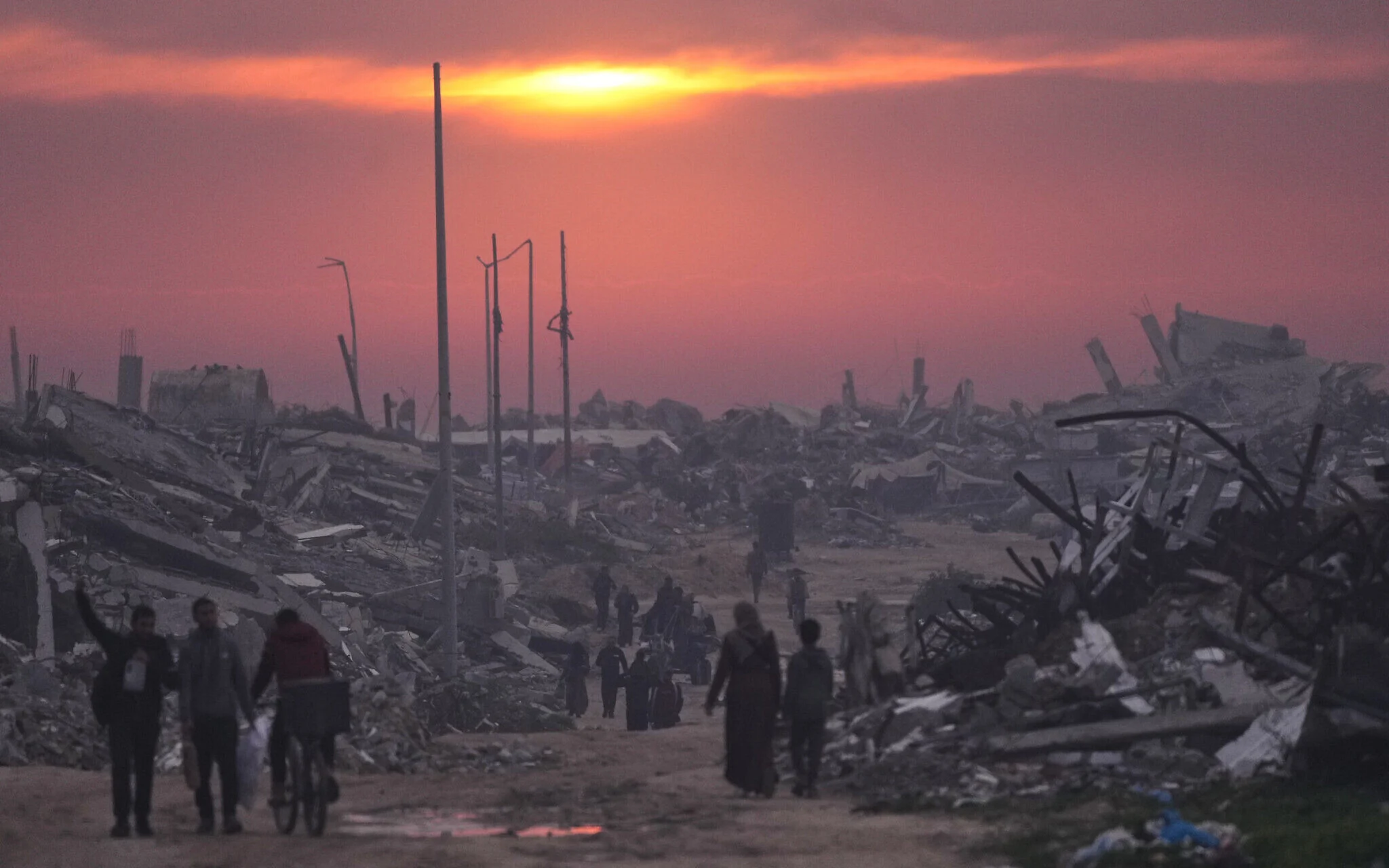
The case highlights ongoing tensions between Israel’s security policies and press freedom advocates who argue the world is being denied independent insight into conditions within the devastated territory.
