
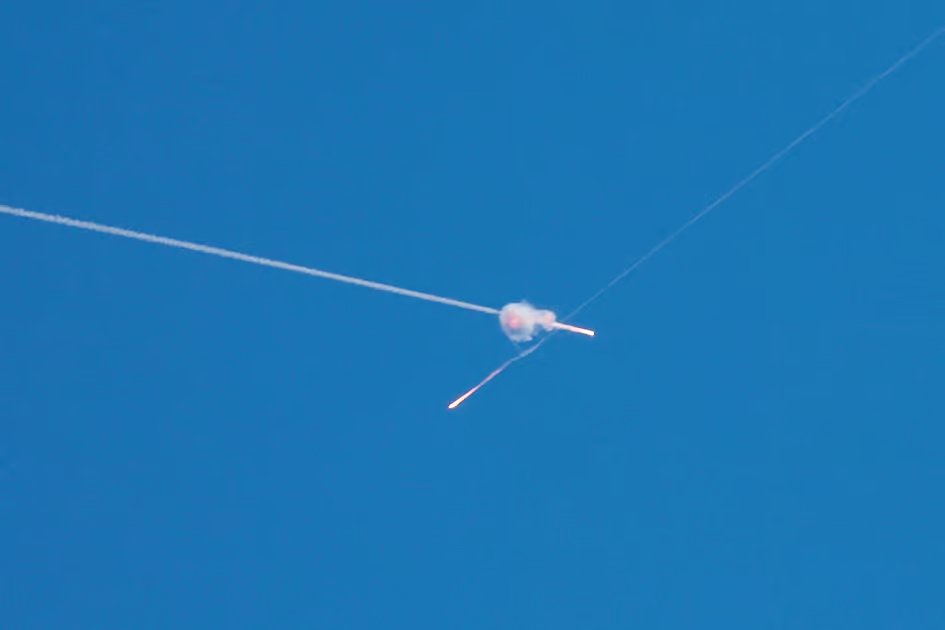
Hours earlier, Trump had said new strikes by Israel and Iran would not affect his administration’s peace talks with Tehran, adding that Netanyahu ‘doesn’t call the shots’
[Editor’s Note: Follow the media live blog for the latest regional developments with the US-Israel-Iran ceasefire now in effect.]
Israel said on Monday it hit a petrochemical plant in Iran’s southwest, along with strikes elsewhere on military targets, after US President Donald Trump reportedly told Israeli Prime Minister Benjamin Netanyahu to refrain from further attacks.
In the first hit on an energy site inside Iran since the April 8 ceasefire, Israel said it struck targets at the Mahshahr petrochemical complex, while a provincial official told Iran’s semi-official Fars news agency parts of the plant were damaged.
Yemen’s Iran-aligned Houthis pledged to stop Israel’s maritime navigation in the Red Sea, and said it was behind the first missile attack on Israel since the ceasefire, which spurred the Israeli military to activate aerial defence systems. “We consider all enemy movements to be legitimate military targets for our armed forces,” the Houthis added in a statement.
Hours earlier, Trump had said new strikes by Israel and Iran would not affect his administration’s peace talks with Tehran, adding that Israeli Prime Minister Benjamin Netanyahu “doesn’t call the shots.” Trump has leaned on Israel to stop its attacks in Lebanon to allow room for a deal to end the wider war with Iran, including rebuking Netanyahu with obscenities in a phone call last week.
However, earlier on Sunday, Israel launched strikes in the Beirut area for the first time since the US announced a truce plan for Lebanon last week.
Iran fired salvos of missiles at Israeli targets in retaliation, but Trump insisted that an agreement to end the wider war remained within reach.
“It’s not going to have any impact on the deal,” Trump told the Financial Times. “I call the shots. I call all the shots. He (Netanyahu) doesn’t call the shots.”
Israel attacks Iran petrochemical plant
A few hours later, Israel’s defence forces said they had struck Iranian military targets. Iran’s Revolutionary Guards said Israel used air-launched ballistic missiles in its attacks.
Iran had fired 11 ballistic missiles at Israel, its ambassador to the United States, Yechiel Leiter, said on X, adding, “Everyone has had enough of this maniacal Iranian regime.”
Israel was targeting Iran’s surface-to-surface missile launch sites and infrastructure facilities, he added.
The latest hostilities drove oil prices up more than 3 per cent on Monday, with benchmark Brent futures back above $96 a barrel.
In a brief statement, Israel’s defence forces said they struck several targets at Mahshahr. Authorities there ordered all employees to evacuate, but there were no injuries and damage was being assessed, Iran’s state media reported, adding that five production lines at the complex had been hit since the Iran war began on February 28.
The IRGC said it had targeted Ramat David air base, near Nazareth. The Israeli military said it identified missiles launched from Iran and its defence systems had intercepted them.
Trump urged Netanyahu to hold off strikes
Trump spoke with Netanyahu by telephone from his golf club in Bedminster, New Jersey, for a little less than half an hour on Sunday, an Israeli official said, without giving details.
The White House and the Israeli prime minister’s office did not immediately respond to requests for comment.
Trump told Netanyahu during the call to refrain from further strikes because “we are close to doing something good in terms of a deal,” according to a US official quoted by Axios.
Since the start of the talks, Israel has kept up attacks in Lebanon in a conflict with Hezbollah that Israeli officials insist should be treated separately from any Iran ceasefire. Tehran has long said any peace deal with the US would depend on a ceasefire also holding in Lebanon, which Israel invaded in March in pursuit of Iran-backed Hezbollah fighters who fired rockets and drones across the border in solidarity with Tehran.
Iran’s chief peace negotiator, Parliamentary Speaker Mohammed Baqer Qalibaf, said US bases and Israeli assets were legitimate targets because of hostile acts, including the “violation of agreements over Lebanon.”
Before Sunday, Iran had not attacked Israel since a ceasefire in the wider war started in April, although Hezbollah had done so.
Trump has insisted repeatedly that Washington and Tehran were close to an agreement on ending the war.
“We’re very close to a deal, or I’m going to blow the hell out of them,” Trump told NBC News’ “Meet the Press” in a recorded interview that aired on Sunday to mark 100 days of the conflict.
Trump wants no attacks in Lebanon
Israel has never halted its Lebanon campaign, which has killed thousands of people and driven hundreds of thousands more from their homes.
Hezbollah, which kept out of truce talks, has also continued its attacks and says it will not give up its weapons unless Israel halts its attacks and withdraws from Lebanon.
Netanyahu said Israel’s Sunday strikes on Beirut’s southern outskirts, a district known as Dahiyeh and a longtime Hezbollah stronghold, were ordered after Hezbollah fired toward Israel.
The wider war has been stalled since the US and Israel paused attacks on Iran in early April, with Tehran blocking most shipping through the Strait of Hormuz, which carried a fifth of the world’s crude oil and liquefied natural gas before the war.
Washington has imposed its own blockade of Iranian ports.
Though Washington and Tehran have said they are close to a preliminary deal to reopen the strait, they have repeatedly traded strikes, with escalations in recent days that included attacks on nearby Arab states.
Trump has said any deal to end the war must prevent Iran from developing a nuclear weapon, and he is under pressure to deliver terms tougher than those agreed in 2015 under then-President Barack Obama in a deal Trump later repudiated.
Tehran’s demands include the lifting of US and international sanctions, the release of billions of dollars in frozen assets and recognition of its sway over the strait. A source familiar with US plans told Reuters on Saturday that Washington could make Iranian assets available to Gulf neighbours to repair damage inflicted by Iran.
However, any such diversion of Iran’s assets would be illegal, and Tehran would take measures in response, Kazem Gharibabadi, its deputy foreign minister, said on Sunday.
