
NEW YORK (news agencies) — European drug regulators on Friday endorsed a new and simpler treatment for sleeping sickness, in what could be a giant boost to efforts to eliminate the disease.
A European Medicines Agency committee gave its nod to acoziborole, made by Sanofi. The decision is seen as a crucial step to making the medicine available in Congo, the country with the most sleeping sickness cases, and paving the way for its use in other African countries.
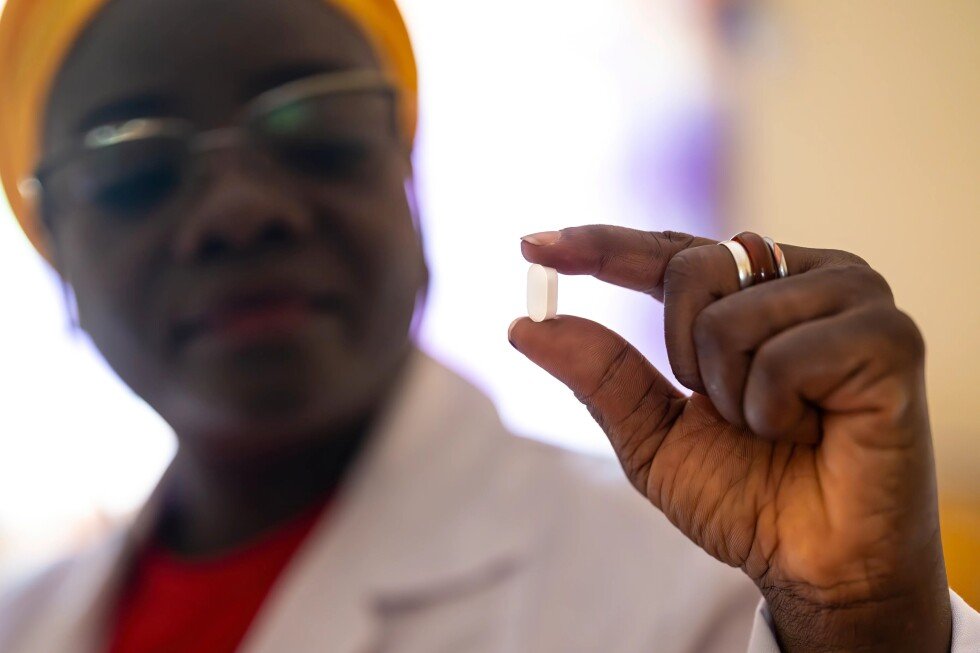
The product’s proponents say three of the pills, taken together as a one-time dose, are an easier and far more accessible treatment than current regimens, which can require arduous trips to hospitals.
“This disease is on the brink of elimination” and the new drug could accelerate progress toward finishing the job, said Dr. Junior Matangila of the Drugs for Neglected Diseases initiative, an international organization focused on new treatments.
If sleeping sickness could be eliminated, it might be the first time spread of an infectious disease was erased without a vaccine, Sanofi officials noted.
Monica Mugnier, a sleeping sickness researcher at Johns Hopkins University, said the drug is a major treatment improvement but that it’s yet not clear exactly how big a turning point its approval will be. There are still questions about where the disease-causing parasite is lurking, for example.
“This isn’t solved yet,” she said.
Sleeping sickness is spread by tsetse flies found only in rural, sub-Saharan Africa. The flies bite people and infect them with a parasite.
Infections can start with vague, flu-like symptoms, and then worsen as the parasites multiple and fan out through the body — including into the nervous system. One result is the namesake symptom: a flipped sleep cycle in which people are awake at night but drowsy during the day. Coma and death can occur if it’s not treated.
Researchers have been unable to develop a vaccine against the wormlike microscopic parasite because it has a unique ability to alter its protein coat, making it difficult to design an enduring immune system defense, Mugnier said.
The battle against the parasite has relied on efforts to kill off the flies and on medicines to save infected people. It’s been difficult. Many of the infected are living in remote areas without access to hospitals.
“It’s a disease of poverty,” said Matangila, who is based in Congo.
Sleeping sickness surged in the 1970s and 1990s amid political and economic instability in sub-Saharan Africa. Not helping was that the traditionally available medications were toxic and painful.
Treatments improved in the early 2000s and were a major reason for a dramatic decline in reported infections, which in 2009 dropped to below 10,000 for the first time in a half century. In 2024, there were fewer than 600 reported cases of the most common version of sleeping sickness, although it’s not known how many people are infected and undiagnosed.
The World Health Organization has set a goal to stop the spread of that form of sleeping sickness by 2030.
