
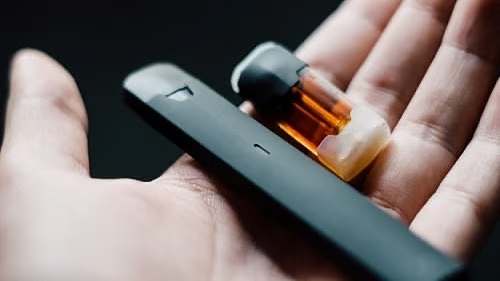
As the toughest withdrawal symptoms subside, health experts reveal how to prevent post-iftar relapse and build lasting healthy habits.
UAE – As the first week of Ramadan comes to a close, many fasting residents are noticing a welcome shift. The initial headaches, fatigue, and irritability—classic signs of caffeine and nicotine withdrawal—are beginning to fade. However, health experts warn that this transitional phase is a critical juncture. While the physical dependence weakens, the battle against psychological cravings is just entering a new stage.
Narjesene Rasheed, Head of Wellness and Nutrition at Kaya Wellness and Longevity, explains that the body has largely moved past the acute withdrawal phase. “Most caffeine and nicotine withdrawal symptoms peak within 24 to 72 hours and gradually decline over five to seven days,” she said.
With the neurochemical storm subsiding, the focus must now shift from mere survival to strategic management of habits, preventing the common pitfall of overcompensating during the evening hours.
The Psychology of Nicotine Cravings
Because smoking is deeply interwoven with daily routines, the urge to smoke during fasting hours is now more psychological than physical. To manage this, experts recommend simple behavioural strategies:
- Environmental Control: Stay in cool environments to reduce physical stress that can trigger cravings.
- Mindful Distraction: Use deep breathing or light neck and shoulder stretches when urges strike.
- Routine Disruption: Actively shift attention away from habitual smoking times, such as after meals.
A crucial warning comes regarding post-iftar behaviour. “Smoking heavily in the evening can reinforce dependence and make cravings stronger the next day,” Rasheed cautioned. Pulmonologists add that the daytime break already benefits the body; even short periods without smoking allow oxygen circulation to improve and lungs to begin clearing irritants.
Stabilising Energy to Curb Caffeine Cravings
As nicotine cravings subside, coffee cravings can become more pronounced. Experts warn against replacing one stimulant with another. Instead, the key lies in managing energy through nutrition and hydration.
Rasheed emphasizes that a structured Suhoor is the most powerful tool for sustained energy. An ideal meal should include:
- Complex Carbohydrates: Oats, quinoa, or multigrain bread to prevent energy crashes.
- Adequate Protein: Eggs, Greek yogurt, or lentils to stabilize blood sugar.
- Healthy Fats: Nuts, seeds, or avocado for sustained energy release.
- Magnesium-Rich Foods: Leafy greens to help reduce tension headaches.
Hydration is equally vital. Drinking two to three glasses of water at Suhoor and maintaining fluid intake between Iftar and Suhoor prevents dehydration, which can mimic and worsen withdrawal symptoms.
“If caffeine is still needed, limit it to a single small cup at Suhoor,” Rasheed advised. “Heavy tea or coffee after Iftar disrupts sleep and increases next-day fatigue and cravings. True energy during fasting comes from stable blood sugar, good hydration, and quality sleep, not stimulants.”
Smarter Alternatives and a Window for Reset
For those gradually reducing dependence, lower-caffeine options like green tea or matcha provide smoother alertness thanks to L-theanine. Caffeine-free alternatives like chicory coffee or warm lemon water can help replace the ritual without the stimulant effect.
Family physicians stress that this moment represents a unique opportunity. “Once the initial withdrawal phase passes, most remaining cravings are linked to routine, timing, and environment,” said Dr. Ahmed S., a Family Medicine expert. He advises against returning to previous consumption levels. Instead, residents should use the remainder of the month to cement new, healthier limits and turn a temporary adjustment into a lasting reset.
