
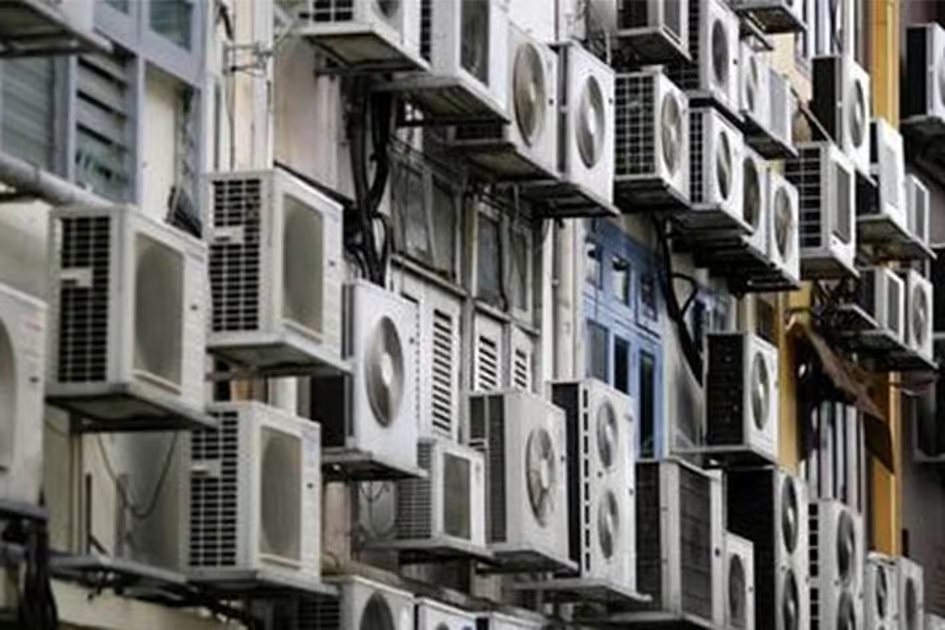
As temperatures climb and AC use increases, residents across the UAE may be unknowingly exposed to contaminated indoor air, experts warn
Residents across the UAE may unknowingly be inhaling contaminated indoor air as AC use rises ahead of peak summer, doctors and maintenance experts have warned.
As temperatures continue to rise, many residents are keeping windows shut and ACs running for longer hours. While occasional sneezing, headaches, throat irritation or stuffy indoor air are often blamed on dust or weather changes, experts say poorly maintained AC systems may also be contributing to the problem.
According to home services platform Justlife, which provides AC maintenance services in the UAE, notes mould, dust and moisture can build up inside AC filters, ducts and coils over time, especially during the country’s hot and humid summer months. The company estimates that up to 30 per cent of homes may experience some form of mould buildup inside AC systems.
Justlife also reported a 70 per cent surge in resident enquiries related to mould buildup during the summer months, and that is showing concerns among residents about indoor air quality and AC hygiene during peak summer months.
Dr Sherin Hussain, a specialist in internal medicine at Medeor Hospital, Abu Dhabi, said dirty AC systems can worsen symptoms such as coughing, allergies, nasal congestion, headaches and shortness of breath.
“This happens when dust, mould and moisture build up inside filters and air ducts and circulate through indoor air,” she said.
She added that the UAE’s climate creates conditions where mould and bacteria can grow more easily inside poorly maintained systems.
“In the UAE’s hot and humid climate, continuous AC use can increase the risk of mould and bacterial growth, especially in poorly ventilated indoor spaces,” said Dr Sherin. “When AC systems are not cleaned properly, these particles can affect indoor air quality and trigger respiratory symptoms.”
According to experts, children, elderly residents, asthma and allergy patients, and people with weaker immune systems are among the most vulnerable groups.
Maintenance companies said that the buildup is often caused by a mix of heat, humidity, trapped moisture and dust accumulation inside the unit. Over time, untreated filters, ducts and drain pans can reduce airflow and cooling efficiency while circulating contaminants indoors.
Dr Saira Hyder, medical director at Justlife, said many residents only notice problems once cooling performance drops or unusual smells begin appearing inside the home.
“Most people don’t act until they notice a smell or a drop in cooling performance, and by that point, the buildup has already been there for some time,” she noted.
Experts recommend residents service AC systems before peak summer usage and clean or replace filters regularly. Families are also advised to watch out for musty smells, fix leaks or condensation issues quickly, and monitor recurring symptoms, especially if they improve after leaving the house.
Residents can also help reduce moisture buildup by avoiding switching off AC systems for long periods during humid months and keeping temperatures between 26ºC and 28ºC in fan or auto mode.
As summer temperatures climb further across the UAE, experts said that AC maintenance is no longer just about comfort but also about maintaining healthier indoor air quality.
