
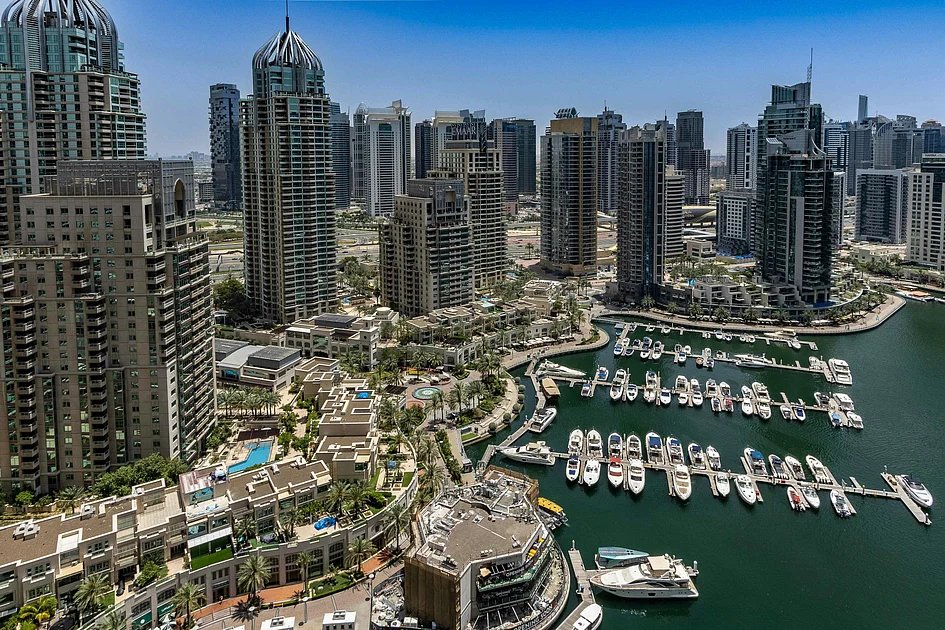
The UAE’s banking and real estate sectors are expected to remain pillars of economic resilience despite geopolitical tensions in the Middle East, supported by strong liquidity, solid loan growth and sustained demand across key property markets.
According to S&P Global Ratings, the UAE’s banking system has demonstrated “strong resilience and financial soundness,” placing it in a solid position to weather potential capital outflows or temporary economic disruptions linked to regional conflict.
The ratings agency expects bank lending in the UAE to grow by 10 to 12 per cent annually in 2026 and 2027, supported by ample liquidity, strong corporate activity and the continued expansion of the non-oil economy.
“Banks remain in a net external asset position and are well placed to cope with potential capital outflows during geopolitical escalation,” S&P analysts said.
The strength of the banking system reflects years of regulatory tightening and prudent risk management. UAE banks have built substantial capital buffers and improved provisioning practices, which have strengthened balance sheets following the pandemic and previous economic cycles.
The sector is also expected to benefit from potential monetary easing if the US Federal Reserve begins cutting interest rates later this year. Because the UAE dirham is pegged to the US dollar, the Central Bank of the UAE typically mirrors US interest rate moves.
Lower interest rates would support borrowing activity across the economy and stimulate further credit expansion.
The UAE’s banking system has already benefited from the country’s robust economic growth in recent years. According to the Central Bank of the UAE, total banking sector assets exceeded Dh4.2 trillion in 2025, while deposits continued to expand as investors viewed the country as a safe financial hub.
The strong liquidity position has also allowed banks to finance large infrastructure projects, corporate expansion and the booming real estate sector.
Property markets in Dubai and Abu Dhabi have been among the fastest growing in the world over the past three years. According to Dubai Land Department data, real estate transactions in Dubai reached over Dh760 billion in 2025, a record level driven by foreign investment and strong demand for luxury properties.
International investors, particularly from Europe, Asia and the CIS region, have been attracted by Dubai’s stable regulatory environment, tax advantages and high rental yields.
Analysts say the UAE’s real estate sector may experience some moderation if geopolitical tensions weigh on investor sentiment, but underlying demand remains strong.
S&P noted that tourism, financial services and property markets could face temporary pressure if the regional conflict persists. However, the country’s diversified economy and strong investor confidence should prevent a major downturn.
Major developers such as Emaar, Aldar and Sobha Realty continue to report strong sales pipelines, while new large-scale projects such as Palm Jebel Ali and Dubai South developments are expected to sustain long-term property demand.
The UAE’s growing population also supports the housing market. The country’s population expanded rapidly in recent years, growing by about 5 per cent annually between 2022 and 2025, driven largely by expatriate inflows.
This demographic expansion continues to fuel demand for residential property, retail infrastructure and commercial office space.
Financial sector reforms are also strengthening the country’s investment environment. The federal government has introduced new treasury sukuk and bond programmes aimed at developing a domestic capital market and enhancing financial inclusion.
The government recently launched a retail sukuk initiative, allowing UAE residents to invest in government securities starting from Dh4,000, broadening participation in the financial system.
The UAE’s sovereign wealth funds and government-related investment companies — including ADQ, Mubadala and the Investment Corporation of Dubai — also play a crucial role in supporting business growth by financing strategic industries and infrastructure projects.
These institutions manage hundreds of billions of dollars in global assets, reinforcing the country’s economic stability and investment capacity.
Despite heightened geopolitical risks, analysts say the UAE’s strong banking system, thriving property sector and diversified economy position it well to maintain business confidence.
“Strong liquidity, robust financial buffers and sustained demand across key sectors will help the UAE navigate geopolitical uncertainty,” S&P said.
For investors and businesses alike, the message remains clear: while regional tensions may create short-term volatility, the UAE’s financial strength and structural growth drivers continue to anchor long-term economic confidence.
