
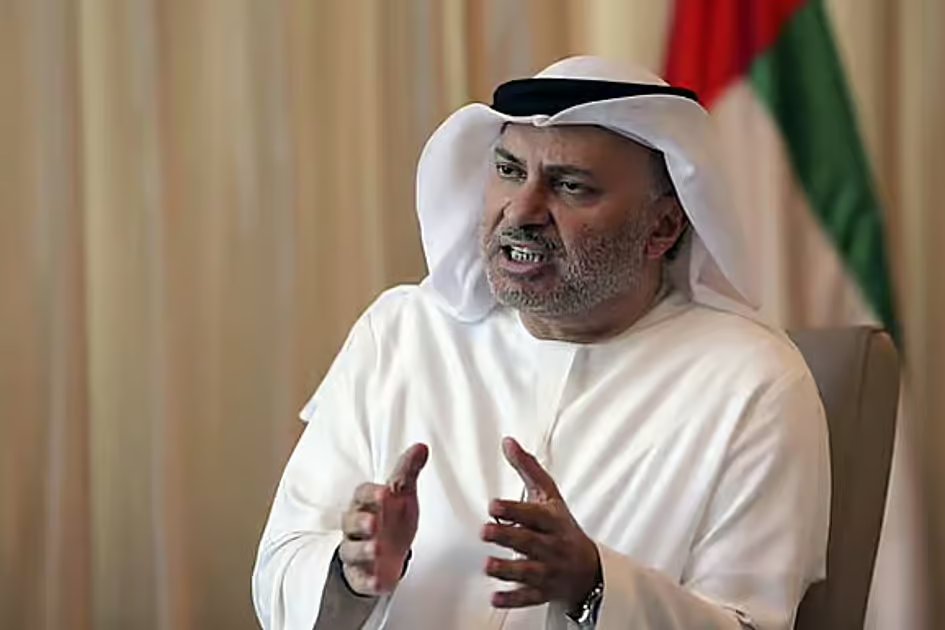
The Diplomatic Adviser praised the UAE leadership’s handling of crisis, saying a potential agreement could open path to political solution
The UAE has never been an advocate of war and will remain a supporter of peace and stability, a top diplomat has said, as Washington and Tehran appear to move closer to signing an expected agreement.
Dr Anwar Gargash, Diplomatic Adviser to the UAE President, praised the UAE leadership’s handling of the recent crisis, saying the country combined wisdom, firmness and flexibility as regional tensions unfolded.
In a post on X, Gargash said the expected agreement between Washington and Tehran would “turn the page on war” and open a political path that the UAE hopes will succeed.
He added that the UAE’s approach had combined “wisdom and firmness in positions and flexibility when the stage required it”.
Gargash stressed that the UAE had never sought war and would continue to stand for peace, stability and the protection of national interests.
“We were never advocates of war, and we will always remain advocates of peace and stability, while firmly upholding our commitment to defending the homeland and safeguarding its sovereignty and interests,” he said.
His comments echo the UAE’s position during the crisis, when officials repeatedly called for de-escalation and a political solution, while stressing the country’s right to protect its sovereignty and national security.
In earlier remarks, Gargash said the UAE was not a party to the war and had made sincere efforts “until the last moment” to mediate between Washington and Tehran to avoid a wider conflict. He also rejected claims that the UAE had allowed its territory, waters or airspace to be used against Iran, saying the country had prioritised reason, restraint and diplomacy.
The UAE has also maintained that stability in the Gulf must be anchored in respect for sovereignty, international law and the security of vital trade routes, including the Strait of Hormuz.
US President Donald Trump said the deal with Iran was scheduled to be signed on Sunday, June 14, adding that the Strait of Hormuz would be “open to all” immediately after the agreement is signed.
The announcement was closely watched by global markets and the shipping industry because of the strait’s importance as one of the world’s most vital energy and trade routes.
