
The UAE real estate services market is powering into a new growth phase, with its value projected to climb to nearly Dh97 billion by 2031—highlighting the sector’s resilience and reinforcing the nation’s position as a global investment magnet despite ongoing international uncertainty.
According to Mordor Intelligence, the market is expected to expand from Dh74.5 billion in 2026 to Dh97.6 billion by 2031, registering a steady compound annual growth rate of 5.54 per cent. The growth is being driven by sustained demand for brokerage, property management, valuation and facility management services, reflecting the increasing scale and sophistication of the UAE’s property sector.
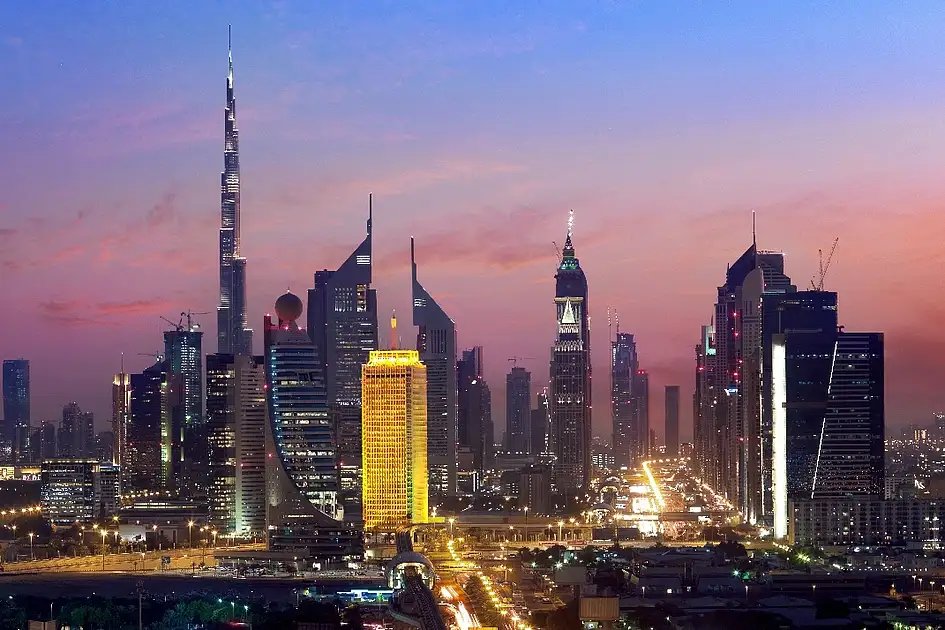
At the heart of this expansion is Dubai, which continues to dominate the national landscape. The emirate accounted for 58.4 per cent of total real estate services revenue in 2025, underlining its role as the country’s primary real estate hub and a global centre for investment and wealth preservation.
The services segment is closely linked to the broader UAE real estate market, which is projected to reach approximately $709 billion in value by 2026. As development activity accelerates across residential, commercial and logistics sectors, demand for professional services is rising in tandem—particularly for complex projects such as branded residences, mixed-use communities and large-scale infrastructure-linked developments.
Population growth, foreign direct investment and long-term residency initiatives continue to underpin this momentum. The UAE’s ability to attract high-net-worth individuals is also fuelling demand for luxury real estate, a segment expected to remain a key driver of services growth through the end of the decade.
At the same time, digital transformation is reshaping how real estate services are delivered. Regulatory innovations and governance platforms are improving transparency and compliance, while private sector players are increasingly deploying advanced technologies to enhance efficiency and decision-making across the development lifecycle.
One company benefiting from this shift is Lifesize Plans Dubai, which has seen rising demand for its immersive architectural solutions since entering the UAE market in 2023. The firm specialises in life-sized projections and augmented reality technologies that allow developers, architects and investors to experience properties at a true 1:1 scale before construction begins.
Georges Calas, chief executive officer of Lifesize Plans Dubai, said the sector’s expansion reflects deep-rooted confidence in the UAE’s long-term fundamentals. “The continued expansion of the UAE’s real estate services market reflects the long-term confidence investors and developers have in Dubai and the wider UAE,” he said. “While regional developments may create temporary shifts in sentiment, the country’s real estate fundamentals remain exceptionally strong, supported by visionary urban planning, regulatory maturity and sustained international demand.”
He added: “This is a market built for longevity, and we continue to see a strong appetite for solutions that help stakeholders make faster, smarter and more confident property decisions.”
Industry experts say innovation is becoming increasingly central to maintaining competitiveness in a rapidly evolving market. As projects grow more complex and capital-intensive, tools that reduce uncertainty—particularly during pre-construction phases—are gaining importance. Immersive visualisation technologies are helping bridge the gap between concept and execution, improving buyer engagement while supporting more informed investment decisions.
Meanwhile, traditional service lines remain robust. Brokerage and property management firms continue to benefit from strong transaction volumes in both off-plan and secondary markets, while demand for professional valuation services is rising alongside increased investor activity. Facility management is also expanding, driven by the growing number of large-scale developments requiring specialised operational expertise.
Despite broader geopolitical and economic uncertainties, the UAE’s real estate sector continues to demonstrate resilience, supported by strong fundamentals, world-class infrastructure and a stable regulatory environment.
As Dubai and the wider UAE consolidate their positions as global real estate powerhouses, the services market is set to play an increasingly pivotal role—supporting sustainable growth while enhancing transparency, efficiency and investor confidence across the property ecosystem.
