Close Menu
    What's Hot

    Pahlavi’s Call to Arms: Shah’s Son Urges Iranian Forces to Join Protests

    January 13, 2026

    Dubai Smashes Real Estate Records: Q4 2025 Sales Hit Historic Dh187 Billion

    January 13, 2026

    Iranian FM Araghchi warns Iran ready for war if US wants to ‘test’ it

    January 12, 2026
    Facebook X (Twitter) Instagram
    • Politics
    • Economy
    Facebook X (Twitter) Instagram
    Gulf News Week
    Subscribe
    Tuesday, January 13
    • Home
    • Politics
      • Europe
      • Middle East
      • Russia
      • Social
      • Ukraine Conflict
      • US Politics
      • World
    • Region
      • Middle East News
    • World
    • Economy
      • Banking
      • Business
      • Markets
    • Real Estate
    • Science & Tech
      • AI & Tech
      • Climate
      • Computing
      • Science
      • Space Science
      • Tech
    • Sports

      Cunha Strike Saves Manchester United in Tense Draw at Rivals Leeds

      January 5, 2026

      Historic Defense: Saudi Arabia’s Al-Rajhi Begins Dakar 2026 Title Campaign with W2RC Goal in Sight

      January 2, 2026

      Australian Summer of Tennis Ignites with United Cup, Rivalries, and Absent Stars

      January 1, 2026

      Slot Predicts More Goals for Wirtz After £100m Signing Ends Drought at Liverpool

      December 29, 2025

      Al-Hilal Triumph Puts Pressure on Al-Nassr in Thrilling Saudi Pro League Showdown

      December 27, 2025
    • Health
    • Travel
    • Contact
    Gulf News Week
    Home»Politics»Middle East»Who was Yasser Abu Shabab, Israel-backed militia leader killed in Gaza?
    Middle East

    Who was Yasser Abu Shabab, Israel-backed militia leader killed in Gaza?

    Gulf News WeekBy Gulf News WeekDecember 4, 2025Updated:December 5, 2025No Comments4 Mins Read
    Share Facebook Twitter Pinterest Copy Link LinkedIn Tumblr Email VKontakte Telegram
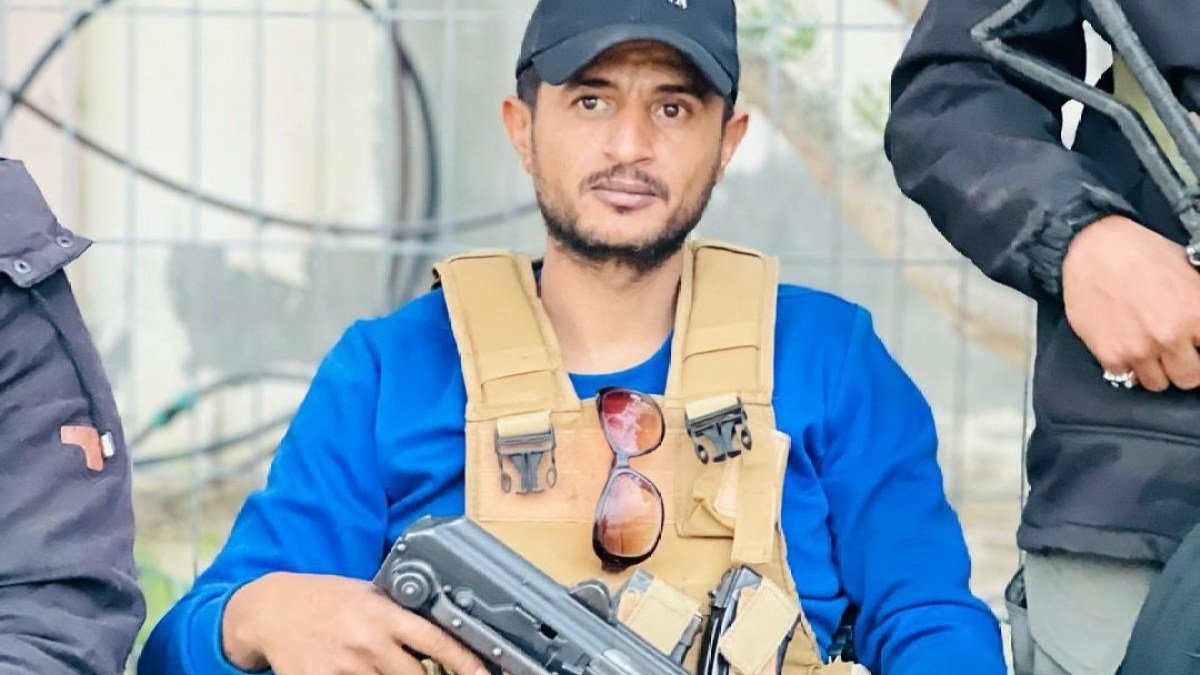
    Who was Yasser Abu Shabab, Israel-backed militia leader killed in Gaza?
    Share
    Facebook Twitter Pinterest Email Copy Link

    Abu Shabab became prominent last year leading an armed group operating in Israeli-controlled areas of Gaza.

    The killing of Gaza militia leader Yasser Abu Shabab, confirmed by his Popular Forces group and by Israeli media, is the final chapter of a man who tried to present himself – with Israeli support – as an alternative to Hamas, but who was widely derided by Palestinians as a collaborator.

    In his early 30s and from southern Gaza’s Bedouin Tarabin tribe, Abu Shabab was largely unknown in the Palestinian enclave until his emergence at the head of a militia last year. Initially called the “Anti-Terror Service”, by May this year it had popularised itself as the “Popular Forces”, a well-armed group of at least 100 fighters operating in Israeli-controlled areas of Gaza.

    Recommended Stories

    list of 3 items

    • list 1 of 3Gaza militia leader accused of collaborating with Israel killed
    • list 2 of 3Gaza war amputees mark International Disabilities Day
    • list 3 of 3Qalqilya targeted as Israel escalates raids in northern West Bank

    end of list

    The group operated somewhere between a criminal gang and an Israeli proxy force, but presented itself as a nationalist Palestinian group dedicated to fighting Hamas.

    That branding served a purpose for Israel, even if its end goal for the group was never clear, particularly once it became evident that the Popular Forces lacked any form of mass popular appeal.

    That was because, for many Palestinians, Abu Shabab was a criminal – he had been imprisoned by Palestinian authorities in Gaza for a number of years on drug-related charges prior to escaping from jail in the early part of the war on Gaza.

    His subsequent alliance with Israel, as it committed a genocide in Gaza killing more than 70,120 people, was immediately disqualifying for most Palestinians – including his own tribe, who said in a statement that his killing served as “the end of a dark chapter that does not represent the history of the tribe”.

    Ideological ambiguity

    Pinning down Abu Shabab’s ideology is difficult, with many observers saying that he was driven by power rather than any particular political stance.

    Advertisement

    The initial branding of his group in the language of “anti-terrorism” is somewhat ironic considering reports of his links to ISIL (ISIS), although they are mostly related to cooperation in smuggling from Egypt’s Sinai Peninsula into Gaza, rather than any shared ideology.

    There has also always been a disparity between Abu Shabab’s background and his social media presence, with English-language posts and even an opinion piece published by the Wall Street Journal.

    In that article, Abu Shabab claimed that his Popular Forces controlled large parts of eastern Rafah, in the south of Gaza, and were “ready to build a new future”.

    “Our primary goal is to separate Palestinians who have nothing to do with Hamas from the fire of war,” the article attributed to him said.

    But while Abu Shabab attempted to downplay his links to Israel, Prime Minister Benjamin Netanyahu admitted in June that his government was using armed clans – which media reports made clear were Abu Shabab’s forces – to fight Hamas.

    The idea of using such forces was, according to Netanyahu, the result of advice from security officials, even after past failed attempts at working with local groups such as the South Lebanon Army in Israel’s northern neighbour.

    Looting

    The Popular Forces has sought to portray itself as a group helping to distribute much-needed aid to Palestinians in Gaza, particularly at sites run by the US- and Israeli-backed GHF.

    Abu Shabab told CNN that he led “a group of citizens from this community who have volunteered to protect humanitarian aid from looting and corruption”, and his group shares pictures of its forces distributing aid.

    But Abu Shabab and the Popular Forces have since been accused of looting from aid convoys, with an internal United Nations memo seen by the Washington Post calling him “the main and most influential stakeholder behind systematic and massive looting”, and security sources in Gaza confirming to media Arabic that the Israeli-backed group had participated in looting.

    Those accusations, as Gaza suffered from a famine brought on by Israeli restrictions on aid access and its destruction of Palestinian infrastructure, added to the perception that Abu Shabab was simply an Israeli proxy.

    It is perhaps therefore not surprising that few Palestinians in Gaza – even those opposed to Hamas – have shed tears over Abu Shabab’s killing.

    The circumstances of that killing continue to be murky – much like Abu Shabab’s origins and his role during the war.

    But ultimately, as it became clear that he did not have the support or power to be a genuine alternative to Hamas, his fate seemed increasingly sealed.

    Features Gaza Israel Israel-Palestine conflict Middle East News Palestine
    Share. Facebook Twitter Pinterest LinkedIn Tumblr Email Telegram Copy Link
    Gulf News Week

    Related Posts

    Middle East

    Iranian FM Araghchi warns Iran ready for war if US wants to ‘test’ it

    January 12, 2026
    Middle East

    Somalia cancels all agreements with UAE over alleged sovereignty violations

    January 12, 2026
    Editor's Choice

    FAB, T. Rowe Price forge alliance to enhance investment solutions

    January 12, 2026
    Editor's Choice

    Abu Dhabi property deals cross Dh164b as ready homes lead 

    January 12, 2026
    Middle East

    Egypt vs Senegal: AFCON semifinal – team news, start time and lineups

    January 12, 2026
    Editor's Choice

    HSBC becomes first asset manager to launch onshore funds in UAE

    January 12, 2026
    Add A Comment

    Comments are closed.

    Editors Picks

    Pahlavi’s Call to Arms: Shah’s Son Urges Iranian Forces to Join Protests

    January 13, 2026

    Dubai Smashes Real Estate Records: Q4 2025 Sales Hit Historic Dh187 Billion

    January 13, 2026

    Iranian FM Araghchi warns Iran ready for war if US wants to ‘test’ it

    January 12, 2026

    Somalia cancels all agreements with UAE over alleged sovereignty violations

    January 12, 2026
    Latest Posts

    Iranian FM Araghchi warns Iran ready for war if US wants to ‘test’ it

    January 12, 2026

    Somalia cancels all agreements with UAE over alleged sovereignty violations

    January 12, 2026

    FAB, T. Rowe Price forge alliance to enhance investment solutions

    January 12, 2026

    Subscribe to News

    Get the latest sports news from NewsSite about world, sports and politics.

    Advertisement
    Demo
    Gulf News Week

    Your source for the serious news. This demo is crafted specifically to exhibit the use of the theme as a news site. Visit our main page for more demos.

    We're social. Connect with us:

    Facebook X (Twitter) Instagram Pinterest YouTube
    Latest Posts

    Pahlavi’s Call to Arms: Shah’s Son Urges Iranian Forces to Join Protests

    January 13, 2026

    Dubai Smashes Real Estate Records: Q4 2025 Sales Hit Historic Dh187 Billion

    January 13, 2026

    Iranian FM Araghchi warns Iran ready for war if US wants to ‘test’ it

    January 12, 2026

    Subscribe to Updates

    Get the latest creative news from FooBar about art, design and business.

    © 2026 Gulf News Week. Designed by HAM Digital Media.
    • Home
    • Politics
    • Economy
    • Sports

    Type above and press Enter to search. Press Esc to cancel.