
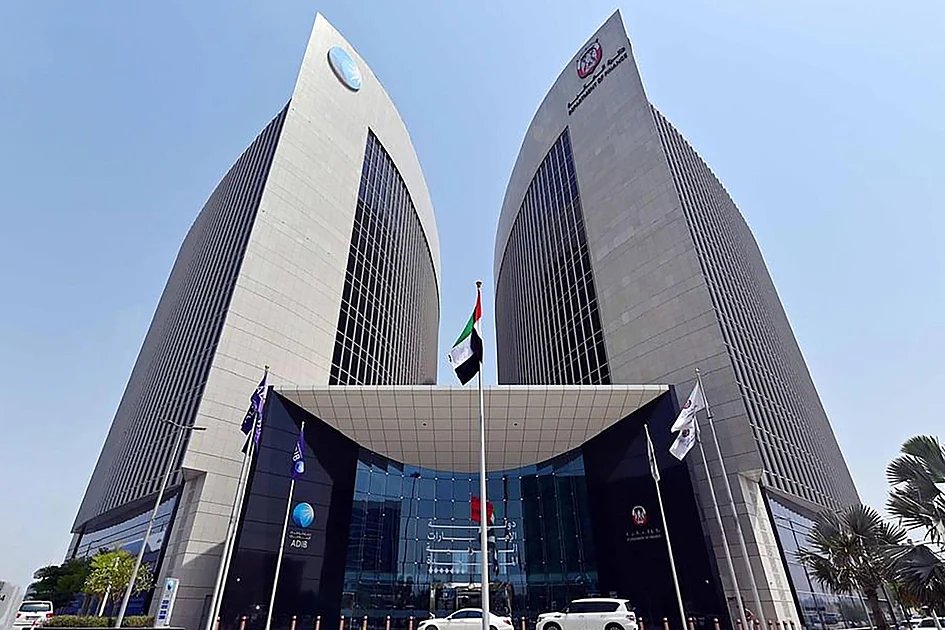
Abu Dhabi Islamic Bank (ADIB) capped another standout year with an 18 per cent rise in full-year net profit before tax to a record Dh8.1 billion in 2025, underlining strong balance-sheet expansion, accelerating customer activity and industry-leading profitability as the UAE’s banking sector continued to benefit from robust economic momentum.
Net profit after tax climbed 16 per cent year on year to Dh7.1 billion, while fourth-quarter net profit before tax surged 25 per cent to Dh2.05 billion, reflecting sustained business momentum across retail, corporate and treasury operations. The bank’s return on equity stood at a sector-leading 28.8 per cent, reinforcing ADIB’s position among the region’s most profitable lenders.
The board proposed a cash dividend of 97 fils per share, lifting the total payout for the year to Dh3.5 billion, equivalent to 50 per cent of net profit. The proposed distribution represents an increase of Dh495 million compared to the previous year, highlighting strong capital generation and shareholder returns.
Revenues reached a record Dh12.3 billion in 2025, up 16 per cent from Dh10.6 billion a year earlier, driven by broad-based growth across funded and non-funded income streams. Funded income rose 15 per cent to Dh7.6 billion, supported by higher financing volumes and disciplined asset and liability management, helping offset the impact of interest rate cuts since late 2024. Net profit margin improved to 4.11 per cent, reflecting an efficient funding mix and strong business volumes.
Non-funded income increased 17 per cent to Dh4.8 billion, up from Dh4.1 billion in 2024, as transaction volumes, fee-based services and cross-selling activities gathered pace. Non-funded income now accounts for 39 per cent of operating income, underlining ADIB’s growing revenue diversification strategy.
Cost discipline remained a key performance driver. The cost-to-income ratio improved to 28.6 per cent, down from 29.6 per cent a year earlier, despite a 12 per cent rise in operating expenses to Dh3.5 billion as the bank continued to invest in digital platforms, artificial intelligence, technology upgrades and talent development.
Asset quality metrics strengthened further. Impairments rose modestly by 9 per cent to Dh678 million, translating into a cost of risk of 44 basis points, in line with management guidance. The non-performing asset ratio improved to a record low of 2.8 per cent, supported by remediation of legacy exposures and tighter underwriting standards. Provision coverage including collateral climbed to 172.5 per cent, while coverage excluding collateral improved to 92 per cent from 81.5 per cent a year earlier.
ADIB’s balance sheet expanded sharply in 2025, reflecting strong demand for Islamic financing products. Total assets jumped 24 per cent year on year to Dh281 billion. Customer financing grew 26 per cent, rising by Dh38 billion, as the bank gained market share in retail segments and closed landmark wholesale and corporate transactions.
Jawaan Awaidah Al Khaili, chairman of ADIB, said the bank’s performance reflected disciplined execution and strong economic tailwinds in the UAE. “2025 marked another year of exceptional performance, with record profitability, robust balance sheet growth and industry-leading returns. This momentum positions the group strongly as we enter the next phase of growth under our Vision 2035 strategy,” he said.
Group chief executive Mohamed Abdelbary said the results were driven by rising customer engagement and diversified income streams. “Every business line performed strongly, supported by financing demand, fee growth and disciplined efficiency management. More than 280,000 new customers joined the bank during the year, reinforcing the strength of our franchise,” he said, adding that continued investment in technology and AI would underpin the next phase of expansion.
The bank’s customer deposits increased 25 per cent to Dh229 billion from Dh183 billion at the end of 2024, providing a solid funding base for future growth.
Capital and liquidity ratios remained comfortably above regulatory requirements. The Common Equity Tier 1 ratio stood at 12.02 per cent, while the total capital adequacy ratio reached 15.71 per cent.
