
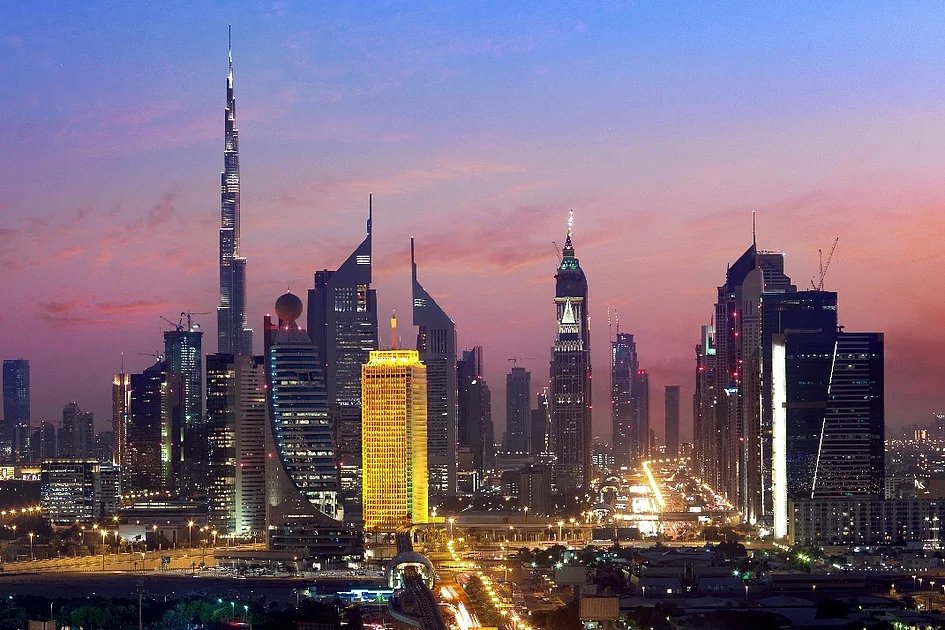
Global financial institutions, credit rating agencies and economists are reaffirming strong confidence in the resilience of GCC economies, especially the UAE, despite escalating geopolitical tensions in the Middle East, highlighting powerful fiscal buffers, vast sovereign wealth assets and accelerating economic diversification as key pillars supporting stability.
Recent assessments by S&P Global Ratings and Fitch Ratings underscore that Gulf economies remain among the strongest in the emerging markets universe, with the UAE retaining its AA/Stable sovereign credit rating thanks to exceptionally strong government balance sheets and large external assets.
S&P Global Ratings said the UAE’s fiscal and external positions remain among the strongest globally, enabling the country to absorb geopolitical shocks or commodity price volatility without undermining macroeconomic stability. The agency reaffirmed that the emirate of Abu Dhabi continues to benefit from extraordinarily strong sovereign wealth buffers and prudent fiscal management, which support its top-tier credit profile.
The Gulf’s vast sovereign wealth funds are widely viewed by economists as a key stabilising force. Funds such as the Abu Dhabi Investment Authority, the Public Investment Fund and the Kuwait Investment Authority collectively manage trillions of dollars in global assets. These reserves give governments enormous fiscal firepower to sustain investment, maintain spending and support financial systems even during periods of regional instability.
International banks are equally optimistic about the region’s prospects. HSBC said its long-term commitment to the Gulf remains unchanged despite geopolitical tensions. HSBC Group chief executive Georges Elhedery said the bank’s “conviction in the GCC’s fundamentals and its future is unchanged,” adding that the region’s economic transformation and strong fiscal foundations continue to make it one of the most attractive growth markets globally.
“The long-term strength, resilience and promise of the region remain clear,” Elhedery said, emphasising the Gulf’s role as a major hub linking global trade, capital flows and investment corridors between Asia, Europe and Africa.
Credit analysts say the GCC banking sector is also entering the current geopolitical phase from a position of exceptional strength. Fitch Ratings noted that banks across the region remain highly capitalised, profitable and liquid, supported by strong deposit bases and conservative regulatory frameworks.
“GCC banks benefit from solid capital buffers and healthy liquidity, which provide resilience even in periods of elevated geopolitical risk,” Fitch said in its latest regional banking outlook, adding that the close relationship between sovereign balance sheets and domestic banking systems strengthens overall financial stability.
Economists at the International Monetary Fund say the region’s diversification drive is also helping reinforce economic resilience. The IMF noted that sustained investment in infrastructure, technology, tourism and logistics is steadily reducing reliance on hydrocarbon revenues and strengthening private-sector growth.
“Large fiscal buffers, sovereign wealth assets and ongoing structural reforms continue to support economic resilience across GCC economies,” the IMF said in its latest regional outlook.
The World Bank echoed this assessment, noting that Gulf countries remain well positioned to weather global economic volatility thanks to prudent fiscal policies and significant financial reserves. According to the World Bank’s latest regional update, continued investment in digital infrastructure, trade logistics and economic diversification is strengthening the long-term growth outlook across the Gulf.
Consulting giant Deloitte also reports rising interest among multinational corporations expanding their regional presence. Deloitte said many global companies continue to establish regional headquarters and expand investment in sectors such as financial services, technology and logistics across major Gulf business hubs.
A clear sign of sustained investor confidence is the continued growth of the Dubai International Financial Centre, which added 1,924 new companies in 2025, marking its strongest annual expansion on record. The centre has rapidly evolved into one of the world’s leading financial hubs connecting capital markets across Asia, Europe and Africa, attracting hedge funds, fintech firms and global asset managers.
Economists say the GCC’s transformation into a global investment and logistics hub is strengthening its ability to withstand external shocks. Strategic infrastructure investments, world-class aviation and logistics networks, and strong financial regulation have helped position the region as a key node in global trade and capital flows.
While analysts acknowledge that geopolitical tensions can temporarily affect market sentiment, most agree the economic impact on GCC economies will remain limited unless energy infrastructure or global shipping routes face major disruption.
S&P Global Ratings noted that the region’s hydrocarbon production facilities remain secure and that Gulf governments retain ample fiscal flexibility to respond to economic shocks. Elevated oil revenues in recent years have also strengthened sovereign balance sheets across the region.
Economists say the combination of strong sovereign balance sheets, resilient banking systems, deep financial reserves and accelerating diversification continues to reinforce global confidence in the GCC’s economic trajectory.
Analysts say for global investors and financial institutions, despite regional tensions, the Gulf’s economic fundamentals remain exceptionally strong, ensuring that the GCC continues to stand out as one of the world’s most resilient and dynamic growth regions.
