
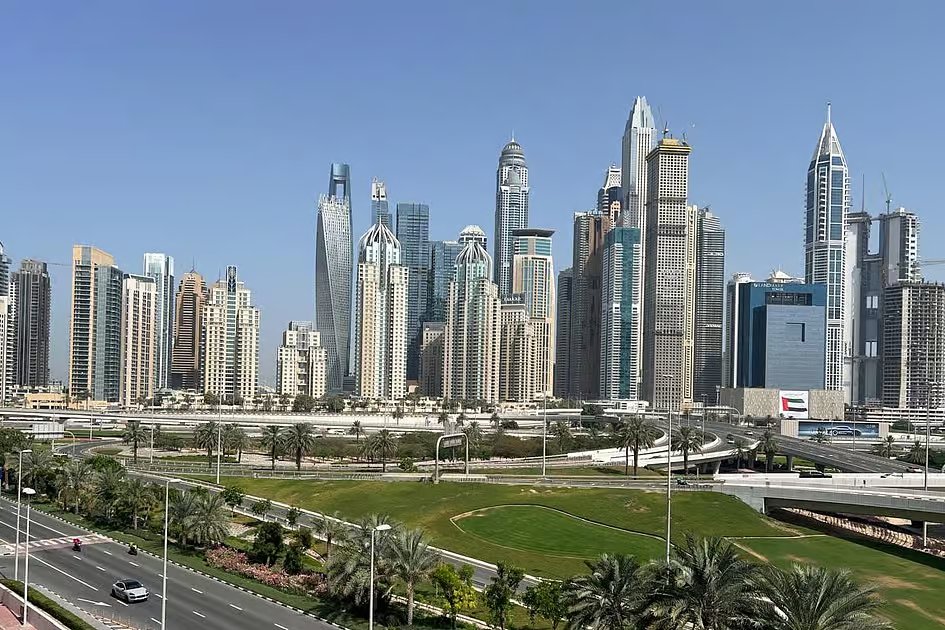
Dubai’s property market is showing early signs of stabilisation despite ongoing regional tensions. Fresh government policies, resilient investor appetite, and strong off-plan demand are helping the sector weather geopolitical uncertainty, according to industry experts and new market data.
A market analysis presented during a recent Betterhomes webinar indicated that the emirate’s real estate sector remains fundamentally strong, nearly 10 weeks into the regional conflict. However, rental corrections and softer secondary market activity suggest the market is entering a more balanced phase after years of rapid growth.
Data discussed during the webinar showed total property transactions in April edged up nearly 2 per cent month-on-month. This underlines continued market resilience even as investors globally remain cautious amid geopolitical risks.
Off-plan sales continued to dominate the market, accounting for 76 per cent of all transactions in April, up 7 per cent from March. Analysts said the strong appetite for newly launched projects reflects investor confidence in Dubai’s long-term growth story. This is supported by population expansion, infrastructure spending, and the emirate’s status as a global safe-haven destination for capital.
Industry analysts note that Dubai’s property market has remained among the world’s strongest-performing real estate sectors over the past three years. This is driven by robust foreign investment inflows, liberal residency policies, low taxes, and sustained demand from high-net-worth individuals relocating to the UAE.
According to data from the Dubai Land Department, Dubai recorded property transactions worth more than Dh760 billion in 2025, the highest annual total on record. The number of deals crossed 226,000 for the first time.
Consultancy reports from firms including Knight Frank and Savills have highlighted growing institutional interest from Europe and Asia in Dubai’s residential and commercial property sectors, particularly in prime and waterfront developments.
The Betterhomes webinar noted that while activity in the secondary market has softened, listing volumes have not risen sharply. This shows property owners are not engaging in panic selling despite heightened regional uncertainty.
In the leasing market, tenant enquiries surged nearly 40 per cent in April. This reflects sustained demand for rental accommodation amid continued population growth and business expansion.
Rental prices have begun to moderate after two years of steep increases. Approximately 70 per cent of rental listings recorded price reductions averaging just under 10 per cent, according to Betterhomes. Property analysts say the correction could improve affordability for middle-income residents and help stabilise the market after rapid rental inflation in recent years.
“Dubai’s market is moving from an overheated phase into a healthier period of consolidation,” analysts said during the webinar, noting that demand fundamentals remain intact despite geopolitical headwinds.
The webinar highlighted three major policy developments expected to support medium- and long-term market growth.
One significant measure was the removal of the Dh750,000 minimum threshold previously required for investor visa eligibility. This effectively widens residency-linked property investment access to a broader pool of buyers.
Market experts said the move could stimulate demand in affordable and mid-market housing segments, which are increasingly attracting both end-users and overseas investors.
Another key driver is Dubai’s proposed Gold Line Metro expansion project, a $9 billion transport corridor expected to connect 15 districts by 2032.
Analysts noted that major transport infrastructure announcements in Dubai historically triggered property price appreciation of 8 to 11 per cent in surrounding communities. They cited earlier metro-linked gains in areas such as Jumeirah Village Circle, Business Bay, and Dubai Marina.
The webinar referenced the UAE’s recent decision to leave Opec, describing the move as potentially giving the country greater flexibility in shaping its long-term economic and energy strategies.
Analysts said broader economic diversification efforts, including expansion in tourism, financial services, logistics, and technology sectors, continue to reinforce Dubai’s attractiveness to global investors.
The discussion compared Dubai’s investment appeal with London, arguing that rising taxes, tighter landlord regulations, and higher entry costs in the UK have reduced London’s relative attractiveness for international property investors.
By contrast, Dubai continues to benefit from tax efficiency, high rental yields, flexible visa regimes, and comparatively lower acquisition costs.
According to published data from another property consultancy, Dubai’s prime residential market remained one of the world’s strongest-performing luxury markets in 2025. Sustained demand from international buyers supported price growth even amid global economic uncertainty.
Property experts cautioned off-plan buyers against walking away from purchases due to market uncertainty. They stressed that sale and purchase agreements remain legally binding and buyers should carefully review long-stop completion clauses before making decisions.
Despite softer price momentum and geopolitical concerns, analysts broadly agree that Dubai’s property sector remains underpinned by strong economic fundamentals, infrastructure investment, and sustained foreign capital inflows. These factors are expected to support long-term market stability and growth.
- Dubai
