
Despite ongoing geopolitical tensions, the UAE remains unshakeable in its relevance on the global stage, says co-founder of the Passport Index Armand Arton
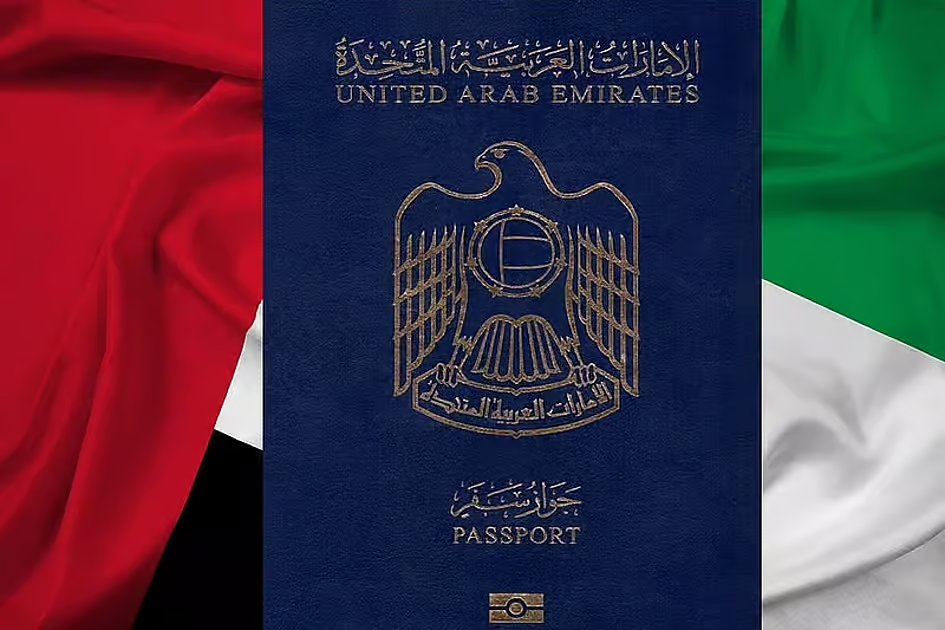
The UAE passport has retained its position as the world’s most powerful, a spot it has held since 2018, after reaching a record score of 182 in the Passport Index by Arton Capital. European countries dominate the top 20 rankings, with the UAE one of only three non-European passports on the list, alongside Singapore and Malaysia.
The latest score, the highest ever recorded in the index, keeps the UAE passport at number one globally and gives Emirati citizens access to 127 destinations visa-free, 45 with visa on arrival and 10 with electronic travel authorisation.
The passport has a world reach of 91 per cent, while only 16 destinations require a visa, according to the Passport Index.
Arton Capital said the figures underline the UAE’s continued growth in global mobility at a time when many countries are seeing stagnation or decline in visa-free access.
Armand Arton, CEO of Arton Capital and co-founder of the Passport Index, said: “This is a standout year for the Passport Index, with record highs achieved by the UAE. Despite ongoing geopolitical tensions, the UAE remains unshakeable in its relevance on the global stage.”
The UAE’s rise also followed the launch of the UAE Passport Force Initiative by the Ministry of Foreign Affairs in 2017. At the time, the ministry said the aim was to place the UAE passport among the five most important passports in the world by 2021.
Since the launch of the initiative, the UAE passport has climbed from 88th place globally to the top of the ranking in less than a decade, Arton Capital said.
A key boost to the UAE passport ranking came in 2015, when Emirati citizens were granted visa-free travel to Schengen countries. The UAE became the first Arab country whose citizens could travel to 34 European countries without a visa.
Openness score
The World Openness Score, the Passport Index’s real-time measure of global accessibility, fell again in 2026, reaching its lowest level since 2023.
Arton Capital attributed the decline to the digitalisation of border systems and the tightening of high-skilled and nationality-specific visa restrictions.
Compared with 2025, when 24 countries increased their global mobility scores, only 11 countries recorded an increase in 2026, according to the Passport Index.
The index’s Welcoming Countries ranking also saw Australia, the United States, Canada and New Zealand slide down the list as visa restrictions tightened, border systems changed and passport bans expanded.
By contrast, the United Kingdom rose two places in the Welcoming Countries ranking, despite mandatory Electronic Travel Authorisations being activated.
Arton Capital said there was also a noticeable trend of European countries dropping in the Welcoming Countries ranking, in line with 30 European countries now using ETIAS. The shift saw 34 countries move from a welcoming rank of 55 to 56, it said.
Passport power
Singapore retained second place in the Passport Index’s individual passport rankings, maintaining a score of 175. Malaysia was the only other Asian passport to remain in the top tier, retaining 17th place, according to the index.
Despite Asia contributing nearly half of global GDP growth in 2026, this economic strength was not reflected in the individual passport rankings, Arton Capital said. South Korea and Japan both dropped four places, with South Korea exiting the top 20 for 2026.
European passports continued to dominate the top tier, accounting for most of the top 20 individual passport rankings. Spain, Belgium, Luxembourg, France and Denmark remained among the world’s strongest passports.
Luxembourg climbed from 10th to 5th place with a score of 174, knocking Finland out of the top 10 from its position in 2025, according to the index.
“We anticipate that 2027 will generate ever greater disparities in individual passport power due to the potential for further global unrest, coupled with tightening restrictions and lower world openness. As global movement and accessibility become a necessity rather than a luxury, a powerful passport will increasingly become a critical dividing line between the haves and have-nots,” Armand Arton said.
