
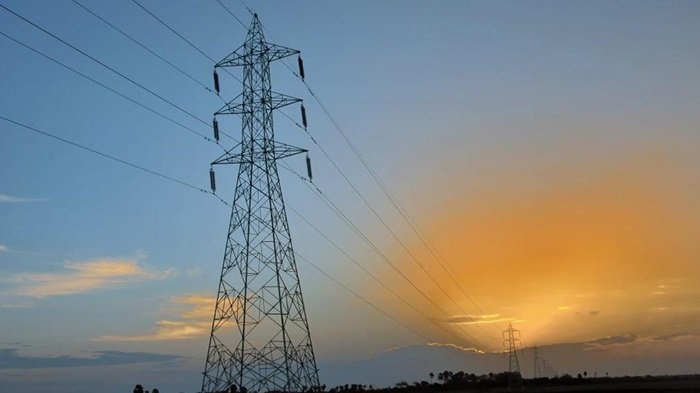
Major infrastructure upgrade aims to unlock northern hydropower, curb massive losses, and provide relief from persistent blackouts and soaring costs.
MANILA/ISLAMABAD – In a significant move to address Pakistan’s chronic energy crisis, the Asian Development Bank (ADB) has approved a $330 million financing package to modernize the country’s power transmission system. The project is designed to enhance the grid’s capacity to deliver cleaner, more affordable electricity to consumers and industries.
The investment will focus on strengthening the crucial north-south transmission corridor, a bottleneck that has limited the flow of electricity from hydropower-rich regions in the north to populous, power-hungry cities in the south. Officials state the upgrades will enable the transfer of an additional 3,200 MW of renewable energy.
“This financing is a critical step in addressing one of the core structural issues in Pakistan’s energy sector,” the ADB said in a statement. The bank emphasized that the project will help reduce technical losses and power theft, which have contributed to a massive circular debt burden exceeding 1.7 trillion rupees ($5.9 billion).
A Lifeline for an Ailing Sector
Pakistan’s power sector is caught in a vicious cycle of inefficiency. An aging grid leads to substantial technical losses, compounded by widespread electricity theft. This, combined with soaring generation costs, has resulted in frequent load-shedding and unaffordable tariffs for end-users.
ADB’s Country Director for Pakistan, Emma Fan, underscored the strategic importance of the loan, stating it reflects “our shared commitment to accelerate clean energy transition.” By facilitating more hydropower transmission, the project is expected to lessen Pakistan’s dependence on costly imported fossil fuels, thereby improving energy security and affordability.
This latest loan continues the ADB’s active support for Pakistan’s infrastructure, following a $250 million transmission loan in late 2023 and a $410 million package for the Reko Diq mining project in August. The support is vital for Pakistan, which averted a financial default in 2023 with the help of a $7 billion IMF bailout.
