
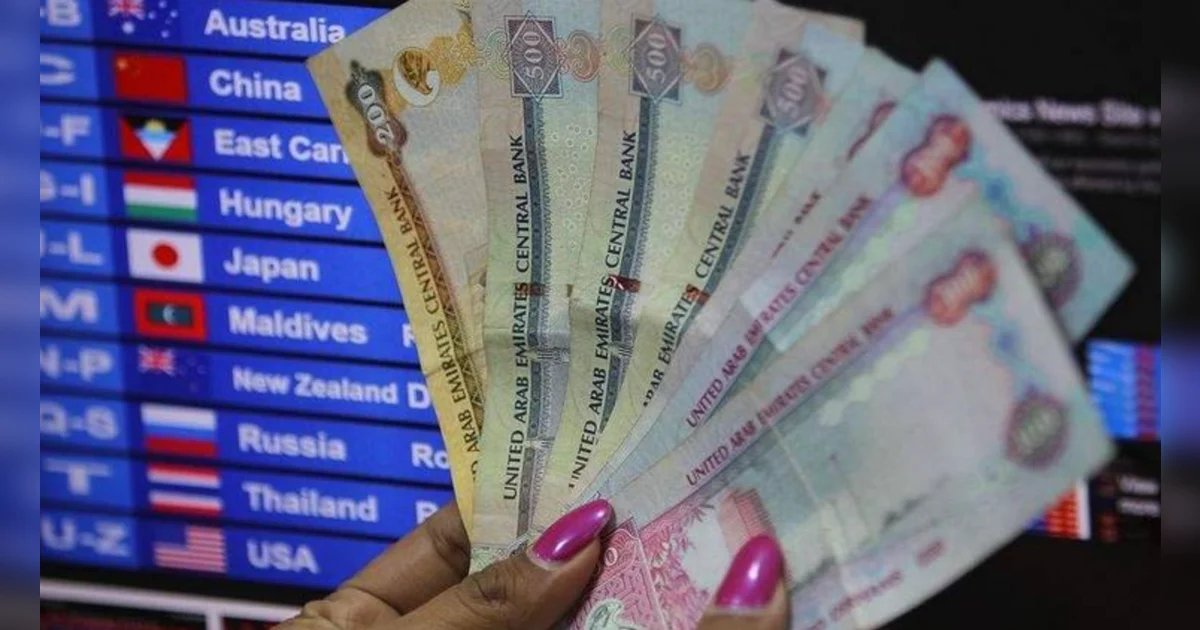
The UAE has successfully raised Dh1.1 billion through the March 2026 issuance of dirham-denominated Treasury Bonds, underscoring strong investor confidence in the country’s financial strength and economic stability even amid heightened geopolitical tensions in the Middle East.
The auction, conducted by the Ministry of Finance in collaboration with the Central Bank of the UAE as issuing and payment agent, marked the first sovereign bond sale since the latest regional escalation. It forms part of the UAE’s scheduled Treasury Bonds issuance programme for 2026.
Treasury bonds, commonly known as T-bonds, are government debt securities issued to raise funds for public spending and development projects. Investors who purchase these bonds effectively lend money to the government and receive periodic interest payments along with repayment of the principal at maturity. Because they are backed by the sovereign government, T-bonds are widely considered among the safest investment instruments in financial markets.
The UAE’s latest auction attracted strong participation from primary dealers and institutional investors. Total bids reached Dh4.85 billion, representing an oversubscription of about 4.4 times the amount offered, highlighting the appetite among investors for high-quality sovereign assets during periods of global uncertainty.
The offering included two tranches: a Treasury Bond maturing in September 2027 and another maturing in January 2031. Both attracted strong demand.
The 2027 bond was priced at a yield to maturity of 3.73 per cent, while the longer-dated 2031 bond carried a yield of 3.85 per cent. The pricing reflected a relatively tight spread of up to 16 basis points above comparable US Treasury yields at the time of issuance, demonstrating the strong credit profile of the UAE government.
Market analysts say such narrow spreads signal global investor confidence in the UAE’s fiscal stability, strong sovereign balance sheet and prudent economic management. The bonds are listed on Nasdaq Dubai, providing investors with access to a secondary trading market and enhancing liquidity for the securities.
The UAE began issuing dirham-denominated Treasury bonds in recent years as part of a broader strategy to develop domestic debt markets and create a benchmark yield curve for local currency borrowing. A yield curve represents the range of interest rates for government debt across different maturities and serves as a pricing reference for corporate bonds, loans and other financial instruments. Officials say the Treasury Bonds programme — together with the UAE’s Treasury Sukuk initiative — plays an important role in strengthening the country’s financial infrastructure.
By offering secure investment instruments in local currency, the programme broadens the range of investment opportunities available to banks, asset managers and institutional investors while helping deepen the UAE’s domestic capital markets. The initiative also supports the government’s long-term economic strategy by providing diversified funding channels and reducing reliance on external financing.
Strong demand in the latest auction reflects the resilience of the UAE’s economy and its reputation as a financial safe haven in the region. The country maintains robust fiscal buffers, low public debt levels and large sovereign wealth assets, factors that continue to attract global investors even during periods of geopolitical volatility.
Economists say the development of a deeper local bond market will further strengthen the UAE’s financial stability, enhance monetary policy transmission and reinforce the country’s position as a leading financial hub in the Middle East.
